Vietnam coffee purchase prices fall below VND 72,000/kg as some farmers hold back sales
On the morning of November 23, coffee purchase prices in Vietnam’s Central Highlands ranged from VND 71,000 to 71,800/kg, down VND 200/kg from the previous day. International coffee futures also fell last week. Some farmers in Đắk Lắk are delaying sales, while buyers and exporters are managing inventories in response to price fluctuations.

On the morning of November 23, coffee purchase prices in Vietnam’s Central Highlands ranged from VND 71,000 to 71,800/kg, down VND 200 from the previous day. The purchase price was VND 71,800/kg in Đắk Nông, VND 71,600/kg in both Đắk Lắk and Gia Lai, and VND 71,000/kg in Lâm Đồng.

Coffee purchase prices in Vietnam’s Central Highlands on the morning of November 23.(VietVance)
In international markets last week, January 2027 robusta coffee futures in London fell 10% to USD 2,881 per tonne, while December 2026 arabica coffee futures in New York fell 1.8% to 274.85 US cents per pound. Coffee purchase prices in the Central Highlands fell by about VND 11,000–11,200/kg over the week.
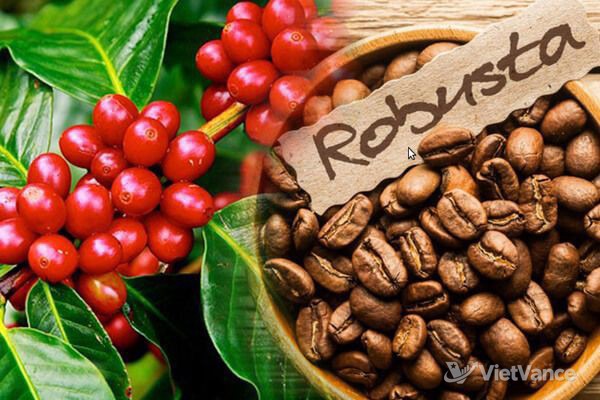
Robusta and arabica coffee futures prices fell in international markets last week.(VietVance)
Falling prices have changed farmers’ sales plans. Farmers in Đắk Lắk interviewed by Voice of Vietnam said they planned to dry and store their harvested coffee and wait for prices to recover before selling. One farmer estimated that prices might not recover until March or April 2027; this was his personal assessment.
Coffee buyers are more cautious about stockpiling. The head of a company that buys about 6,000 tonnes of coffee beans a year said it had stopped building up inventory after prices exceeded VND 70,000/kg. Tổng Công ty Simexco 2-9 Đắk Lắk exported 140,000 tonnes of coffee in 2025. Its business manager said the company sells coffee as it buys it, rather than stockpiling it in anticipation of higher prices. He said increased global production over recent crop seasons, combined with Vietnam’s 2026–2027 harvest, was putting pressure on prices.
Source: VietVance