Vietnam Expands Commune-Level E-Commerce as Pilots Boost Agricultural Sales
Vietnam’s Ministry of Industry and Trade is promoting e-commerce at the commune level. The market reached about $31 billion in 2025, but regional disparities remain stark. Pilots have generated sales, while logistics costs, platform fees and business skills remain challenges.

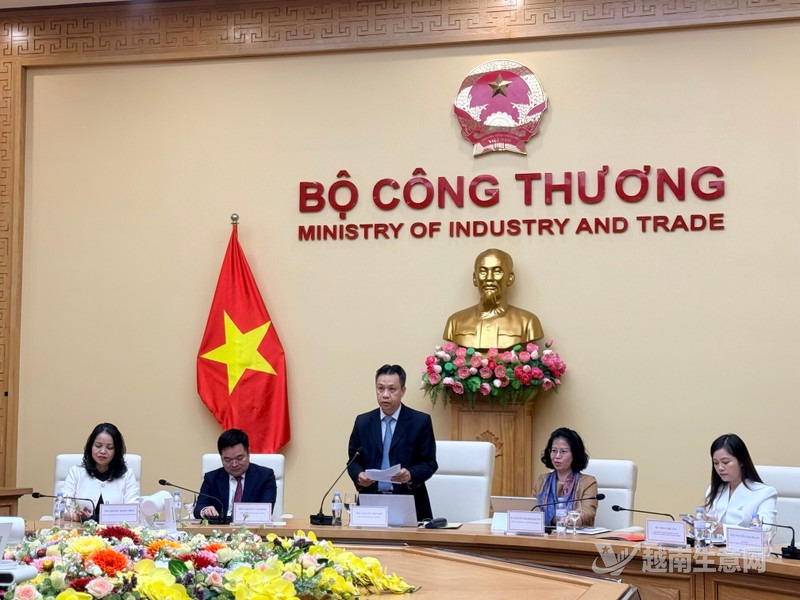
At the 2026 National Commune-Level E-Commerce Conference on November 11, Vietnam’s Ministry of Industry and Trade proposed expanding e-commerce at the local level. Data from the ministry’s e-commerce department show that Vietnam’s e-commerce market reached about $31 billion in 2025, up 25.5% year on year and accounting for 11% of total retail sales of goods and consumer services revenue. Regional disparities remain pronounced: in the 2026 E-Commerce Index, Ho Chi Minh City scored 91.1 and Hanoi 87.5, while the national average was just 15.8.
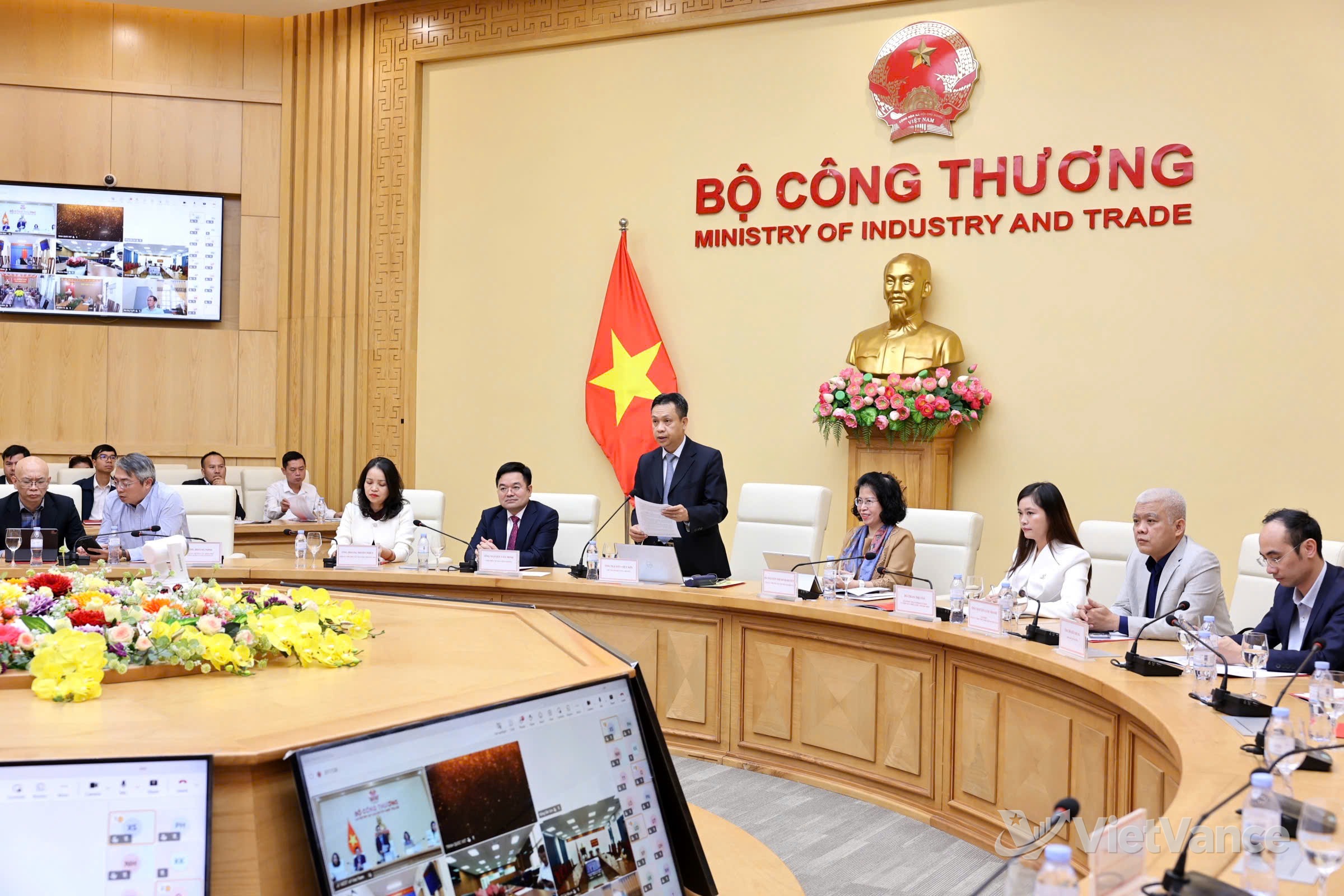
The 2026 National Commune-Level E-Commerce Conference.(VietVance)
A review of government information portals for 2,497 communes and wards found that 587 communes reported e-commerce activities, but only 178 listed results and 18 recorded order volumes, revenue or the number of households selling goods. Deputy Minister of Industry and Trade Nguyễn Việt Sơn noted that local governments published these figures themselves and that they are not sales statistics. He said more substantive work is needed to advance e-commerce at the local level.
Pilot areas have achieved some results. In two months, Chợ Lách commune in Vĩnh Long province attracted 66 sellers, listed 1,340 products online, generated more than 50,000 orders and sold nearly 77,000 items. A livestream in Bình Lư commune, Lai Châu province, received more than 1,200 orders in one hour; a rattan and bamboo business in Phượng Dực commune, Hanoi, sold nearly 22,000 items in three months.
Conference participants said a lack of ongoing support after training, insufficient product standardization, high logistics costs and rising platform fees continue to constrain commune-level e-commerce. Longer delivery times in mountainous areas also increase the risk of fresh agricultural produce spoiling. The Ministry of Industry and Trade said it would improve policy guidance, data sharing and business skills training. Participants also proposed shared collection and transfer points, stronger packaging standards and product-origin traceability.
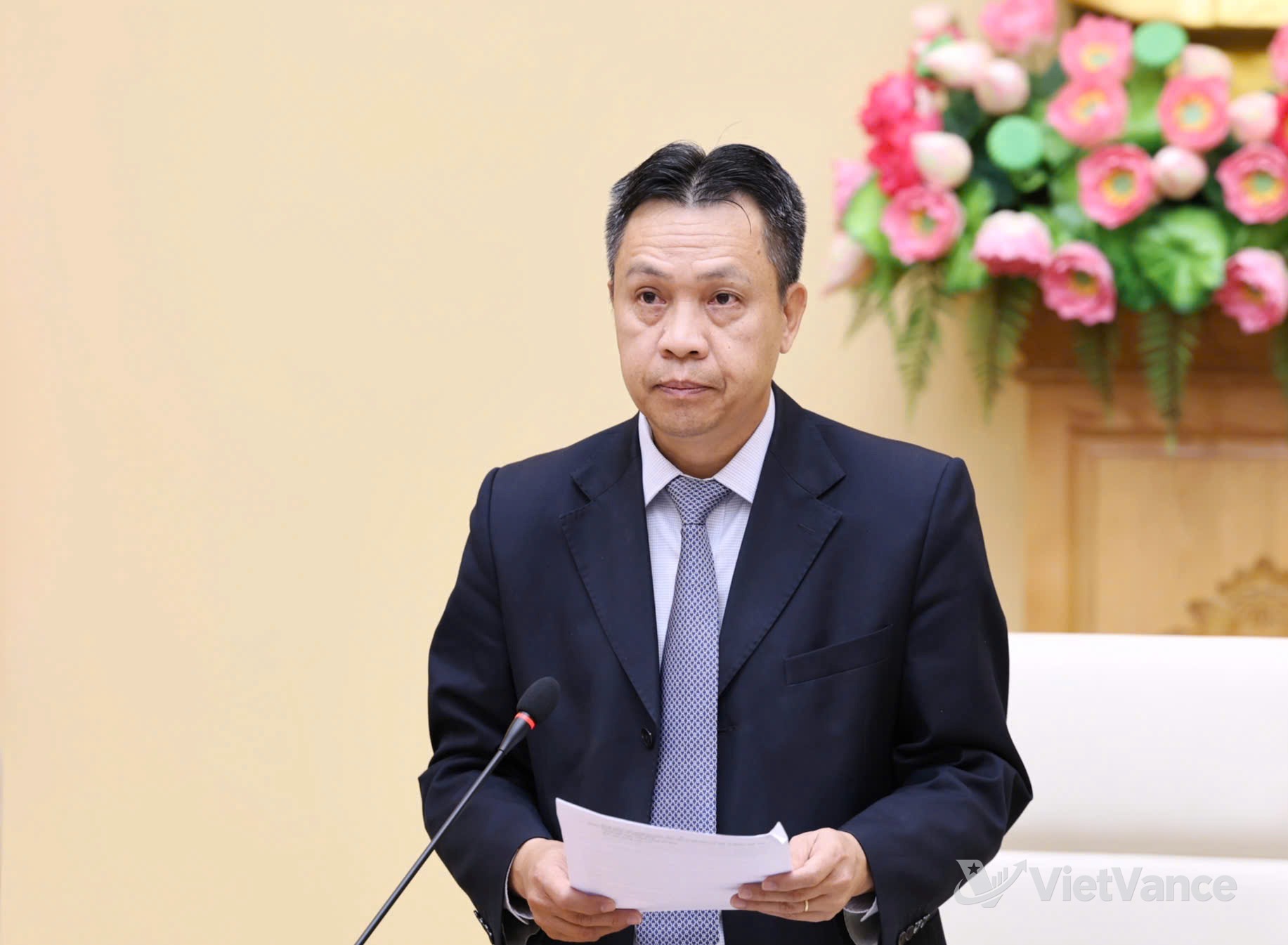
Deputy Minister of Industry and Trade Nguyễn Việt Sơn speaks at the conference.(VietVance)
Source: VietVance