
Vietnam’s Corporate Bond Issuance Exceeds VND 479 Trillion in First Ten Months
As of October 30, 2026, Vietnam’s corporate bond issuance for the year exceeded VND 479.1 trillion, with banks and real estate companies accounting for about 92% of the total. Market participants say further growth requires greater transparency from issuers, better secondary market trading conditions and clearer responsibilities for banks involved in bond sales.

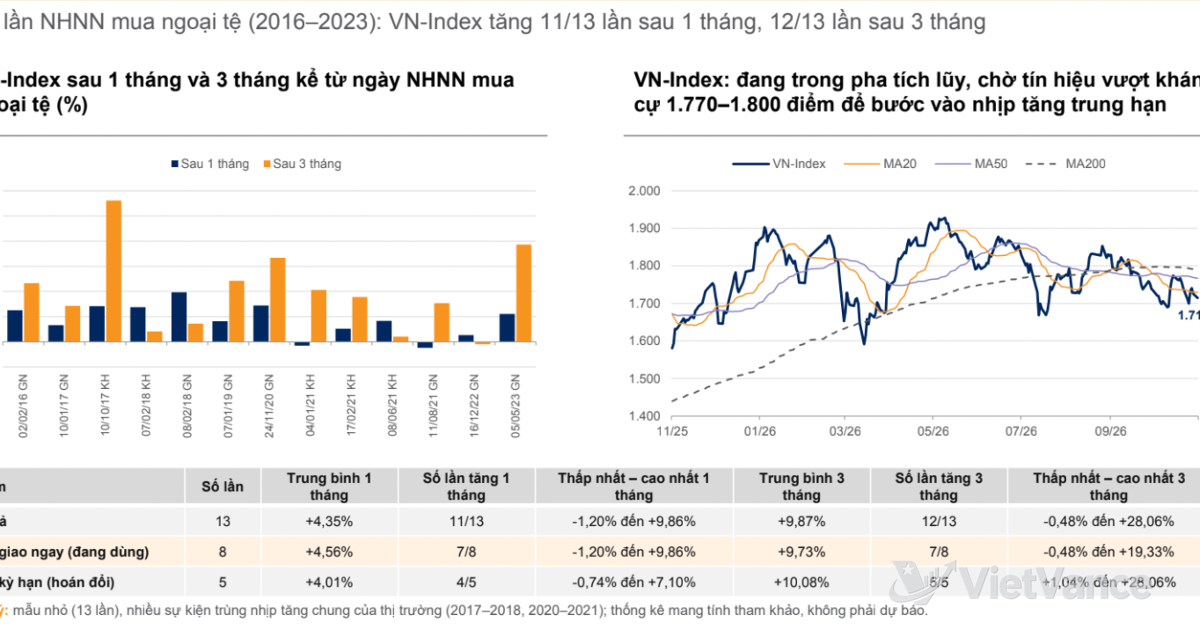
According to the Vietnam Bond Market Association, Vietnam recorded 24 corporate bond issuances in October as of October 30, 2026, totaling more than VND 20.13 trillion. Of these, 21 private placements raised nearly VND 18.3 trillion, while three public offerings raised VND 1.85 trillion. In the first ten months of 2026, successful corporate bond issuance exceeded VND 479.1 trillion, including VND 419.3 trillion in private placements and nearly VND 60 trillion in public offerings.
Vietnam’s corporate bond market is expected to provide more financing for economic growth and ease funding pressure on the banking system.(VietVance)
By sector, banks accounted for about 55% of total issuance in the first ten months and real estate companies for about 37%, together making up about 92%. Nguyễn Hữu Hiệu, CEO of FiinGroup Việt Nam, estimates that Vietnam will need about US$1.5 trillion to support economic development from 2026 to 2030. He said Vietnam’s credit-to-GDP ratio has exceeded 140%, putting pressure on the banking system and underscoring the economy’s need for more financing channels.
Đào Minh Tú, vice chairman and secretary-general of the Vietnam Banks Association, said investor confidence in corporate bond issuers remains limited and companies need to demonstrate their financial strength and profitability more clearly. Issuers also need to disclose promptly how funds are used, where debt repayments will come from and how projects are progressing. Trading conditions in the secondary market also affect investment decisions, but whether a bond can be transferred and at what price still depends on the issuer’s creditworthiness, interest rates, and market supply and demand.
Phạm Phú Khôi, secretary-general of the Vietnam Bond Market Association, suggested reconsidering the practice of counting banks’ bond underwriting activities toward their credit growth limits. He stressed that the responsibilities of bond distributors, underwriters and payment guarantors should be distinguished: a bank’s introduction or distribution of a bond does not mean it guarantees the issuer’s repayment.
The State Bank of Vietnam issued Circular No. 50/2026/TT-NHNN on September 30, 2026, with effect from December 1 of the same year. The circular adds prudential requirements for banks’ corporate bond activities: credit for investing in and trading corporate bonds may have a term of no more than one year, the outstanding loan balance may not exceed 5% of a bank’s charter capital or allocated capital, and other prudential conditions must be met.
Source: VietVance