Vietnamese lawmakers call for targeted support for cultural industries
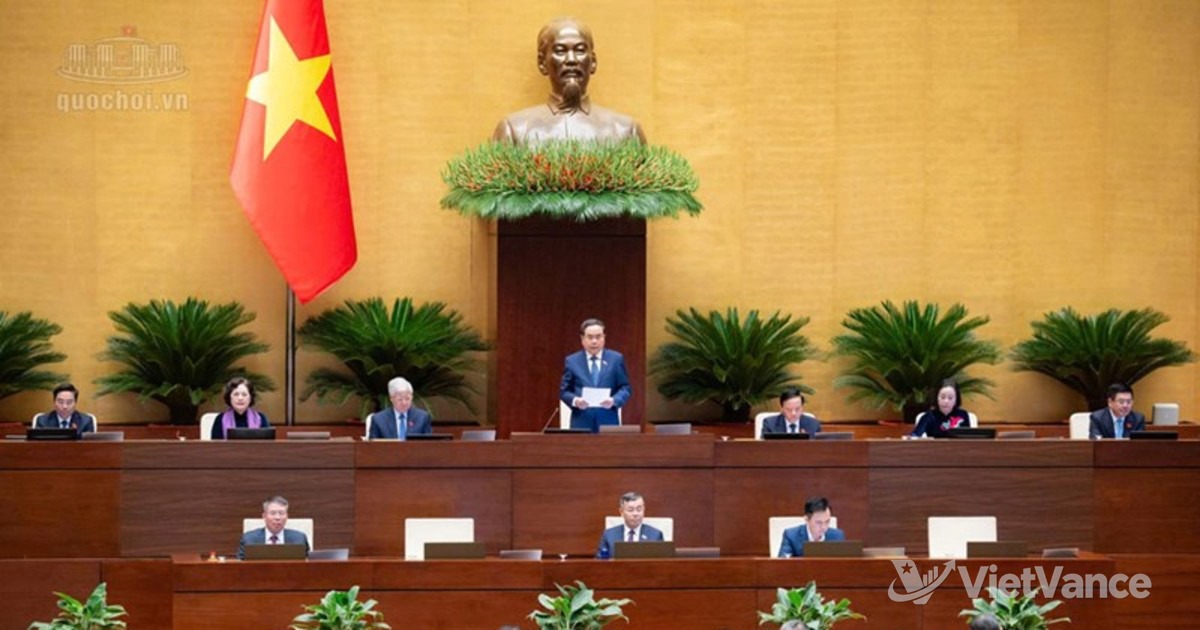
Vietnam’s National Assembly reviewed a draft law on cultural industry development on November 10. Lawmakers proposed selecting priority sectors, strengthening copyright protection and intellectual property financing, and clarifying foreign investment conditions, eligible recipients and funding rules for projects spanning provinces.

On the morning of November 10, 2026, Vietnam’s 16th National Assembly, at its second session, discussed a draft law on cultural industry development and proposed amendments to laws covering tourism, cinema, advertising and other related fields. Several lawmakers called for the bill to clarify priority sectors for support, the scope of its policies and funding rules.
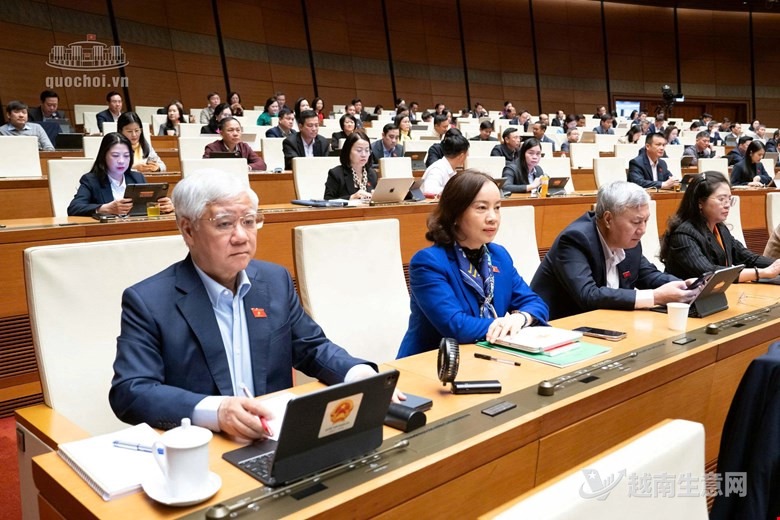
National Assembly deputies discuss draft legislation in the chamber on the morning of November 10.(VietVance)
Gia Lai deputy Lê Hoàng Anh said some cultural fields in Vietnam had gained momentum, but a mature cultural industry had yet to emerge. Citing 2025 figures, he said Vietnamese games recorded 4.9 billion downloads and box office revenue approached 5.6 trillion Vietnamese dong. Yet about 95% of game downloads came from overseas, financing based on intellectual property had nearly stalled, and online copyright infringement posed commercial risks. He proposed selecting up to three or four priority fields every five years, with regular reviews. For now, he said, priorities should include games and digital content; film and television; and music, performances and entertainment. He also called for stronger copyright protection and financing for creative products.

Gia Lai deputy Lê Hoàng Anh speaks during the discussion.(VietVance)
Đồng Nai deputy Trịnh Xuân An proposed focusing the law on economic activities based on cultural value and creativity. He called for distinct criteria to identify industries, recognize products and determine eligibility for policy support, as well as clear rules on how the bill would apply where it overlaps with other laws. He cited the goal of having cultural industries contribute 7% of gross domestic product by 2030.
Lâm Đồng deputy Dương Khắc Mai noted that the bill’s provisions on eligible recipients now include communities, individual business operators and household businesses, but its provisions on the use of funding do not yet include them. He also cautioned that requirements concerning technology transfer by foreign investors and the proportion of value created in Vietnam must be carefully checked for compatibility with commitments under the Comprehensive and Progressive Agreement for Trans-Pacific Partnership.
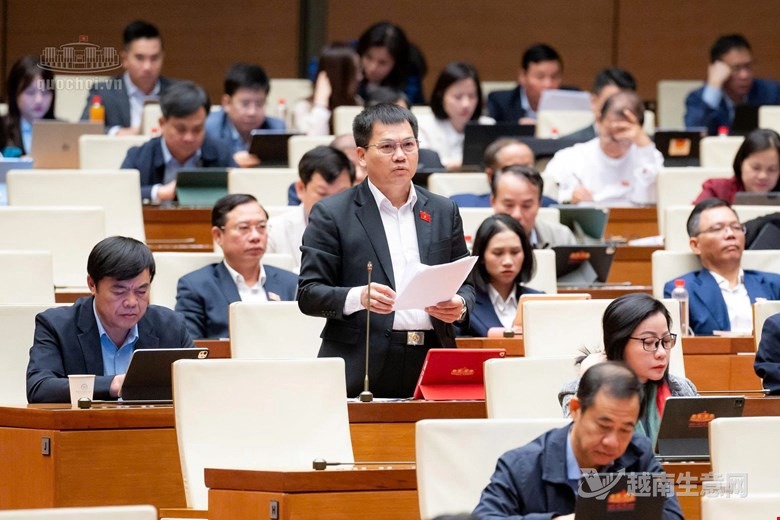
Lâm Đồng deputy Dương Khắc Mai speaks during the discussion.(VietVance)
On support for production costs, Dương Khắc Mai proposed that the government set uniform rules on eligible recipients, conditions and qualifying expenses, while provincial People’s Councils determine specific support rates within a ceiling of 30%. Projects spanning provinces would need clear arrangements for allocating costs and coordinating documentation to prevent duplicate subsidies. Funding should remain within approved budget allocations.
Source: VietVance