Vietnam energy security report: Power and fuel supplies remain stable
Vietnam’s Ministry of Industry and Trade released the Vietnam Energy Security Report 2026 on November 10. A deputy minister said Vietnam was among 13 of the 177 countries surveyed that maintained stable energy supplies. The report also identified dependence on energy imports, insufficient fuel reserves and rising electricity demand in the north as major challenges.

Vietnam’s Ministry of Industry and Trade held the National Energy Security Forum in Hanoi on November 10 and released the Vietnam Energy Security Report 2026. Deputy Minister Nguyễn Việt Sơn said that, as of November 9, 102 of the 177 countries surveyed in the report faced energy difficulties. Only 13 maintained stability, including Vietnam.
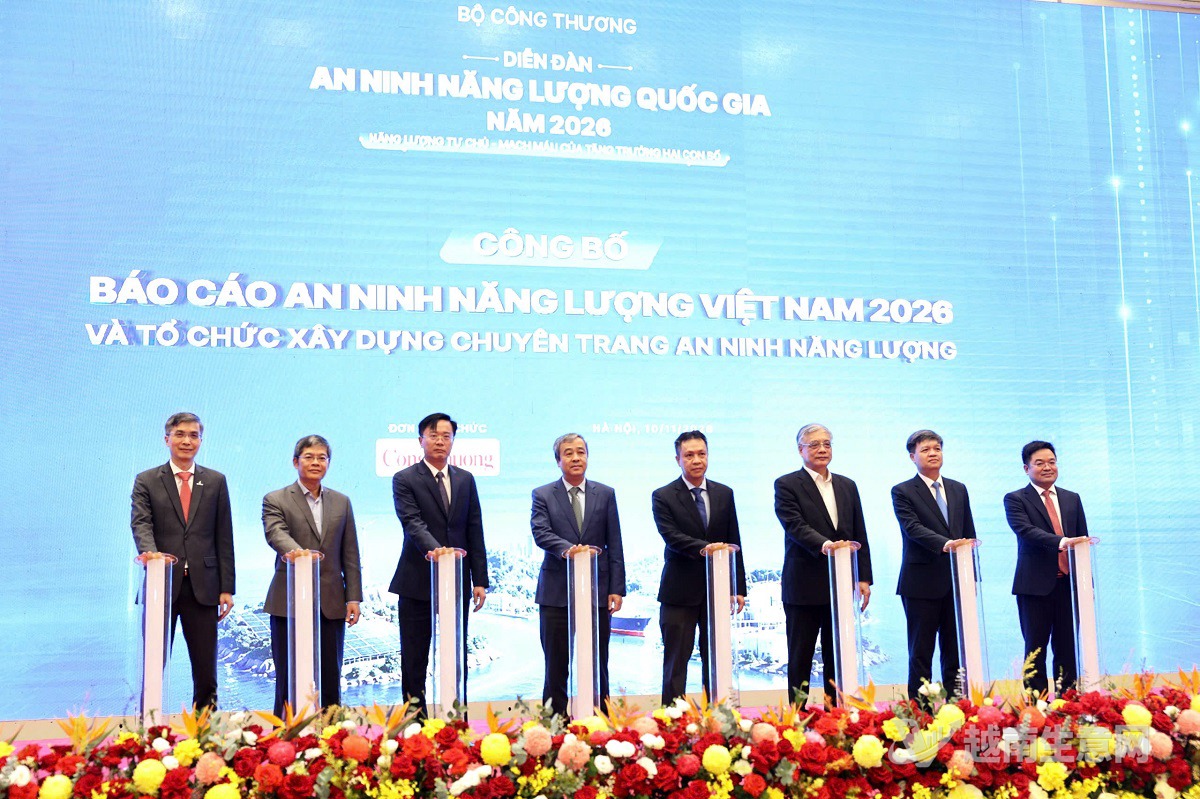
Delegates attend the launch ceremony for the Vietnam Energy Security Report 2026.(VietVance)
For electricity supply, Vietnam’s combined electricity generation and imports are expected to reach 356.2 billion kWh in 2026, up 10.3% year on year. On June 24, nationwide peak electricity demand reached 57,537 MW, including 30,248 MW in the north. Commercial electricity sales rose 9.84% in the first 10 months; in the first nine months, the power sector began construction on 136 grid projects and brought 131 into operation.
For fuel supply, the two refineries produced a combined 12.1 million tonnes of refined products in the first nine months. The Ministry of Industry and Trade said Vietnam had experienced no fuel shortages and had not drawn on national fuel reserves. The government allocated more than VND 64 trillion to fuel tax and fee reductions and price stabilization measures. From November 1, the average retail electricity price was reduced by 2% to VND 2,159.9037 per kWh, excluding value added tax.
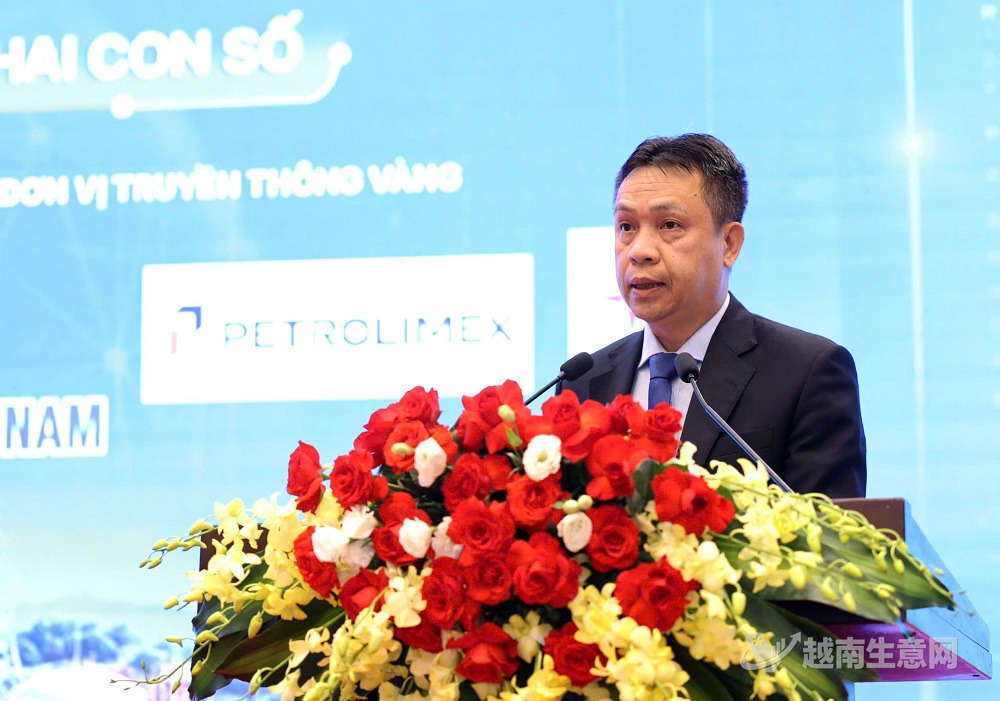
Vietnamese Deputy Minister of Industry and Trade Nguyễn Việt Sơn speaks at the National Energy Security Forum.(VietVance)
The report also noted that net energy imports accounted for 43.9% of total primary energy supply in 2025. Current fuel reserves equal 60 days of net imports, below the 90 day target. Nguyễn Việt Sơn expects energy supplies to remain under pressure in 2027 and 2028: electricity demand may continue to grow by around 10%, while some new power sources have yet to enter operation. The report forecasts peak electricity demand in the north of 32,693 to 34,865 MW in 2027.
Source: VietVance