Vietnam’s Draft Food Safety Law Strengthens Risk Classification and Post-Market Oversight
Vietnam’s National Assembly is reviewing a draft amendment to the Food Safety Law that would manage food safety according to supply chain risks, simplify administrative procedures and strengthen post-market inspections. The draft also sets requirements for inspecting imported food shipments and proposes a lead agency for food safety oversight. A National Assembly committee has called for further assessment of implementation conditions.

Vietnam’s 16th National Assembly is reviewing a draft amendment to the Food Safety Law at its second session. The draft would base oversight on risk control across the supply chain, classify food into high-risk and low-risk categories, adjust regulatory measures, and shift the focus from pre-market approval to post-market inspections and traceability.
Key provisions of Vietnam’s draft amendment to the Food Safety Law.(VietVance)
Introducing the draft to the National Assembly on October 24, 2026, Health Minister Đào Hồng Lan said risk analysis would cover assessment, management and communication. The draft also proposes a national food safety database containing information on product life cycles, food producers and businesses, testing organizations, regulatory inspections and food poisoning incidents, enabling data sharing across levels of government.
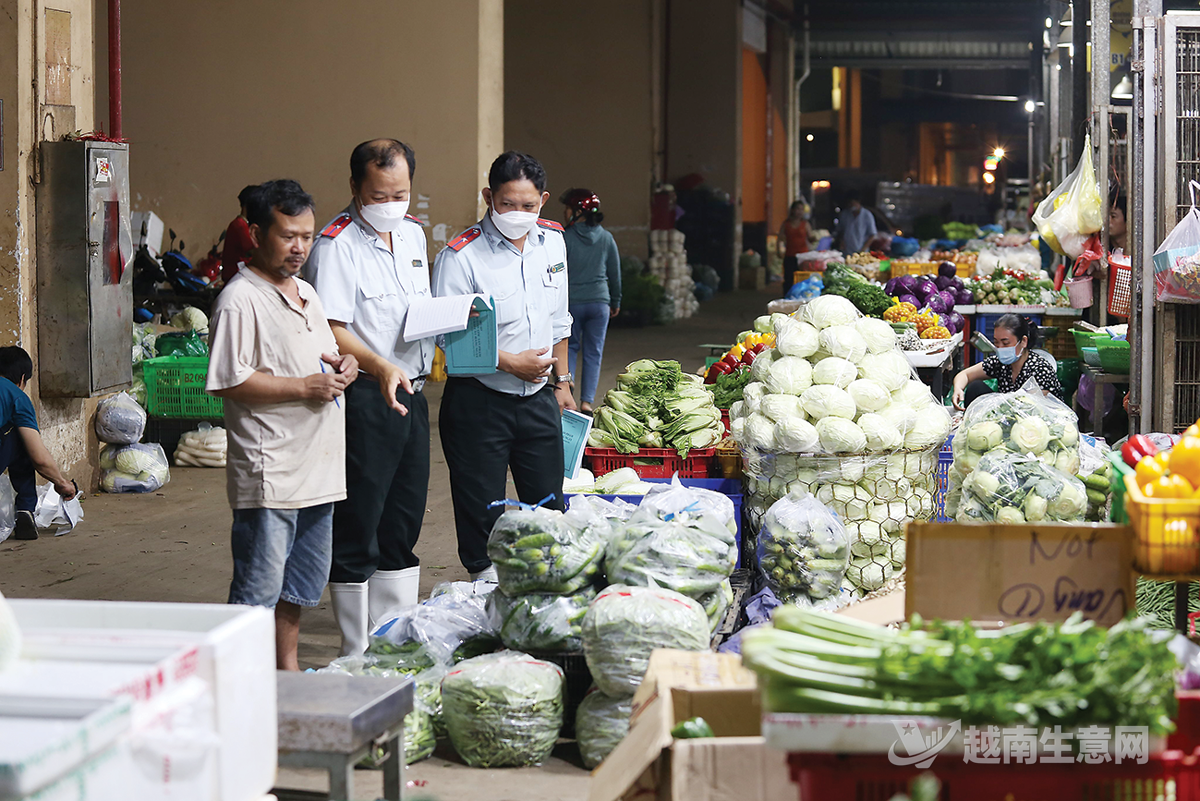
The draft specifies the subjects, methods and frequency of post-market inspections. Food safety inspections would generally take place no more than once a year, except when there are signs of a legal violation or food ingredients, additives or other substances are misused and cause harm. Imported food would be inspected under one of three procedures: stringent, standard or reduced inspection. Except where the government provides an exemption, each shipment would need a notice confirming that it meets requirements. The Ministry of Health also proposes that product declaration registration certificates be valid for five years from the date of issue, with a renewal procedure.
Under the proposed oversight structure, the Ministry of Health would serve as the lead agency assisting the government in unified food safety management, while each level of local government would designate a lead management body. After 15 years of implementing the current law, fragmented oversight, an inadequate risk analysis mechanism and limited digital traceability capacity have prompted the proposed amendments.
The National Assembly’s Committee on Science, Technology and Environment agrees that amending the law is necessary, but has called for further assessment of post-market testing capacity, funding for the data system and local enforcement resources. It also wants a clear implementation timeline for risk analysis and traceability of high-risk food, and an explanation of the need for renewal after five years. The committee has further recommended clarifying the conditions for measures such as suspending sales and advertising during inspections, as well as exceptions to the limit on inspection frequency.
Source: VietVance