Vietnam’s Fire and Rescue Police Issue Safety Guidance for Gas Retailers
After a suspected gas explosion in Hanoi on November 24, Vietnam’s fire and rescue police urged gas retailers to meet LPG business requirements and store cylinders safely. They also called on restaurants and other businesses to inspect gas systems and keep evacuation routes clear.

On November 24, 2026, an explosion at a building in Hanoi caused part of a single-story house to collapse. Authorities initially suspected a gas explosion. The Fire Prevention, Fighting and Rescue Police Department subsequently reminded gas retailers and users to guard against fire and explosion risks.
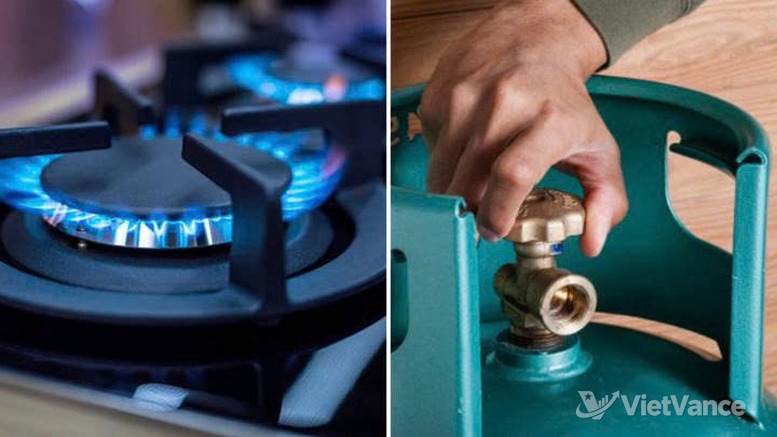
Vietnam’s fire and rescue police warn of fire and explosion risks associated with gas use.(VietVance)
The department said gas retailers should meet the requirements for trading in liquefied petroleum gas and sell only cylinders from lawful sources that meet quality standards. Full and used cylinders should be stored separately in ventilated areas, secured against falling and kept away from flames and heat sources. Retailers must have the required firefighting and rescue equipment, post no-flame and no-smoking signs, regularly inspect storage areas and equipment, and provide staff training and emergency drills.
Retailers must not use unauthorized equipment to fill LPG cylinders, fill cylinders that fail to meet requirements or have not been inspected, or sell damaged or leaking cylinders. Gas businesses that also serve as homes must comply with Article 21 of the 2024 Law on Fire Prevention, Fighting and Rescue; sleeping areas are prohibited in the business area.
For restaurants and communal kitchens, the department requires checks of gas supply systems, valves, pressure regulators, hoses and connections before and after operations, and closure of the main valve when operations stop. Cylinders, storage areas and pipes must be arranged in accordance with regulations and kept ventilated. Goods must not block valves or evacuation routes. The number or placement of cylinders, or the piping system, must not be changed without assessment and work by qualified personnel.
Source: VietVance