Vietnam Investors Discuss 2027 Asset Allocation, Focusing on Cash Flow and Liquidity
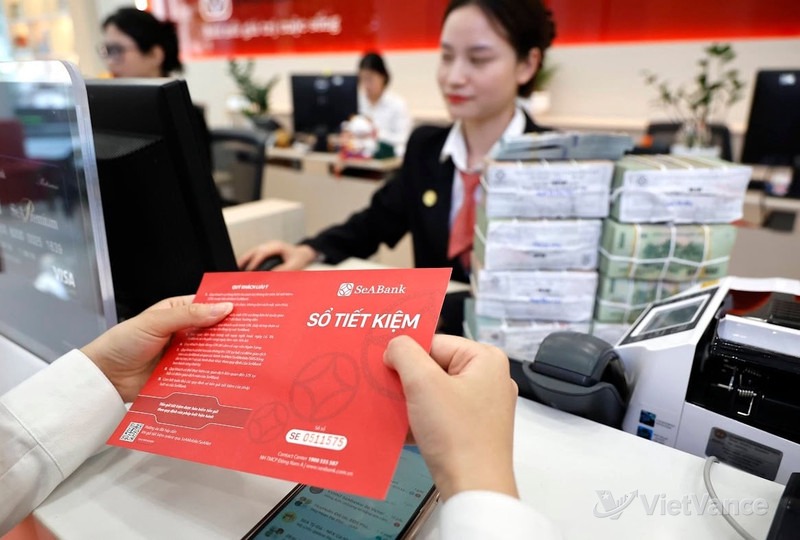
At the Vietnam Investment Forum 2027, three investors discussed asset allocation amid high interest rates. Their approaches included rental property and corporate bonds, increasing stock holdings, and investing in private companies. Each emphasized managing liquidity and risk according to the role of each asset.

At a discussion at the Vietnam Investment Forum 2027, investors examined long-term asset allocation for families and adjustments over the next 12 months. Amid high interest rates, rental income, fixed income, opportunities for stock market growth and asset liquidity were key topics; the participants differed in their allocation choices and assessments of risk.
Nguyễn Thị Minh Thu, executive director of Index Partners Financial and Investment Consulting, said that over the past two years, income-generating real estate has made up the largest share of her personal portfolio, followed by deposits and bonds. Stocks account for a smaller share, while gold has the smallest allocation. She advised prioritizing properties that can be rented out, using rental income to cover ongoing financial obligations. She said that if interest rates remain high in 2027, liquidity pressures may prompt some owners to sell quality assets, creating opportunities for buyers with cash. She also urged investors to consider the possibility of future taxes on second and third properties.

Nguyễn Thị Minh Thu, executive director of Index Partners Financial and Investment Consulting.(VietVance)
Nguyễn Duy Linh, CEO of Saigon–Hanoi Securities Joint Stock Company, said families should first define the purpose of each asset class: deposits meet liquidity needs, bonds provide regular income, and stocks offer the potential for asset growth. He is reducing the share of assets held to meet liquidity needs, raising his fixed-income allocation to about 30%–40%, and gradually increasing his stock holdings. He said that, excluding stocks in the Vingroup ecosystem, the market’s price-to-earnings ratio is about 9.3–9.4 times; if corporate profits grow by 15%–17%, the ratio could fall to about 8.5 times. Bond investors should assess issuers, their ability to repay debt and the quality of their assets.
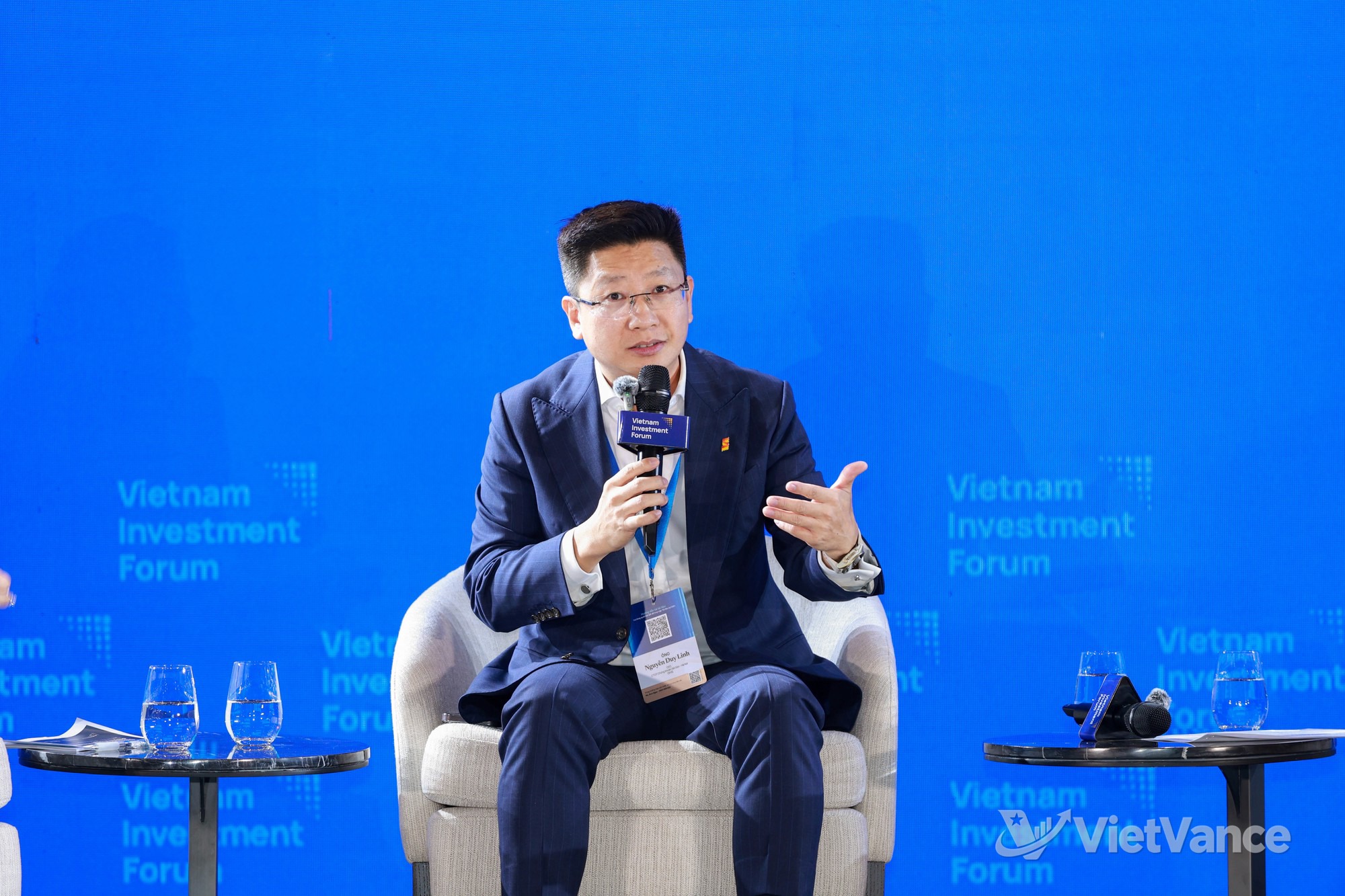
Nguyễn Duy Linh, CEO of Saigon–Hanoi Securities Joint Stock Company.(VietVance)
Duc Tran, investment and investor relations manager at Vietnam Investments Group, said he is considering increasing his investment in private companies in 2027. He said high interest rates make borrowing more difficult for companies and may increase demand for equity transfers. He said investments should remain focused on sectors he knows well and where he can help create value, while keeping portfolio concentration under control. He also plans to reduce financial leverage and increase the share of more liquid assets, including stocks and fixed-income assets.
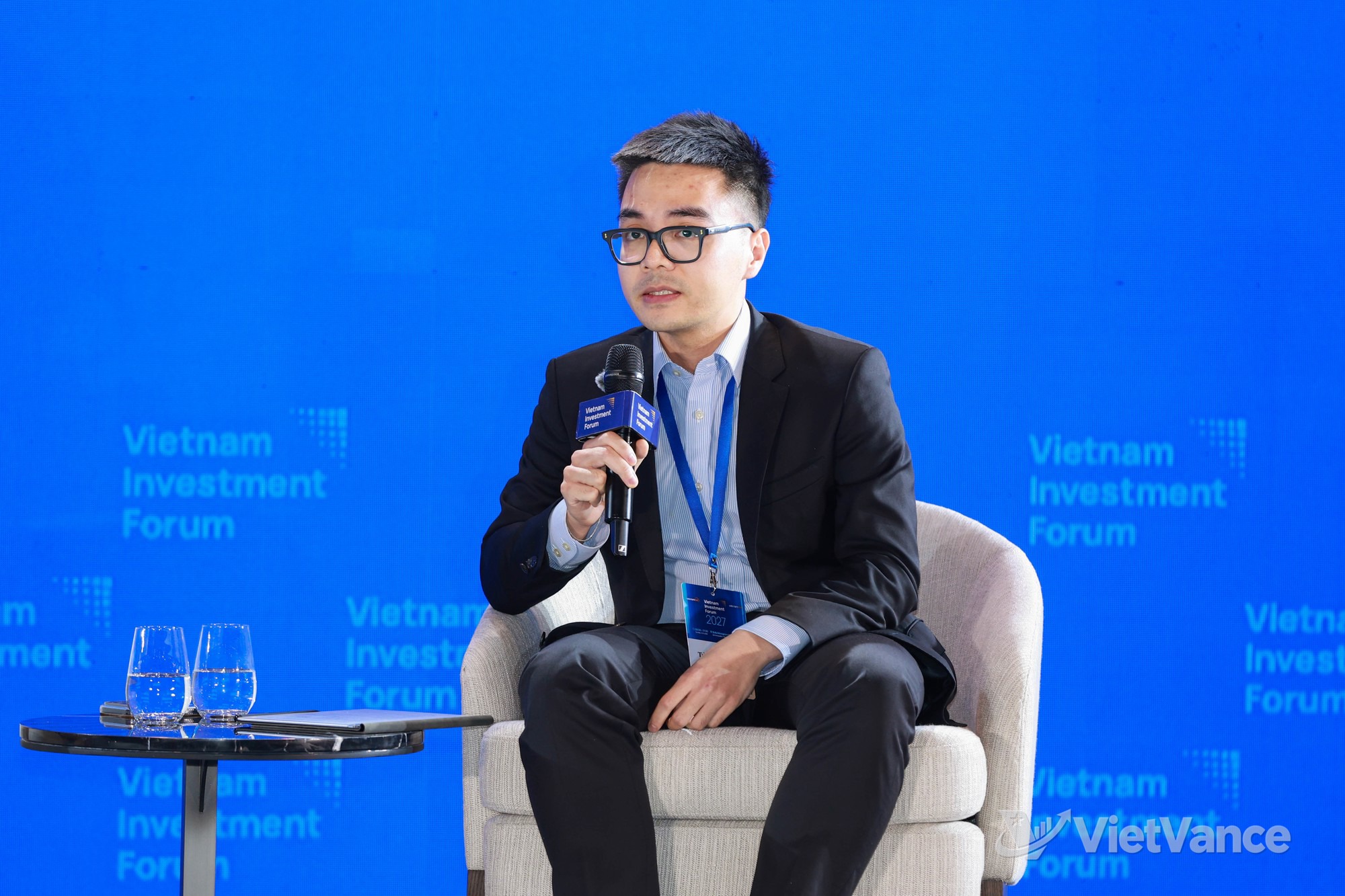
Duc Tran, investment and investor relations manager at Vietnam Investments Group.(VietVance)
Source: VietVance