Xuân Trường proposes VND 72.185 trillion North–South Expressway expansion
In October 2026, Xuân Trường proposed expanding a 415 km stretch of the North–South Expressway under a BOT contract and collecting tolls along the entire stretch from the start of construction. The Ministry of Construction is studying a broader public-private partnership expansion plan, while the Ministry of Finance has requested further assessment of tolls, logistics costs and central budget funding.

The Ministry of Construction is studying a public-private partnership plan to widen approximately 1,144 km of the eastern North–South Expressway from Hanoi to Ho Chi Minh City to six lanes, at a preliminary estimated cost of VND 178.357 trillion. It proposes grouping 15 sections built with public funds, where the state currently collects tolls, into two public-private partnership projects requiring no state budget support.
In October 2026, Doanh nghiệp tư nhân Xây dựng Xuân Trường proposed to the prime minister and the Ministry of Construction a build-operate-transfer (BOT) project to widen the approximately 415 km stretch from Mai Sơn to Cam Lộ from four to six lanes, at a cost of VND 72.185 trillion. The ministry’s preliminary cost estimate for this stretch is VND 72.186 trillion, with an estimated payback period of about 20 years.
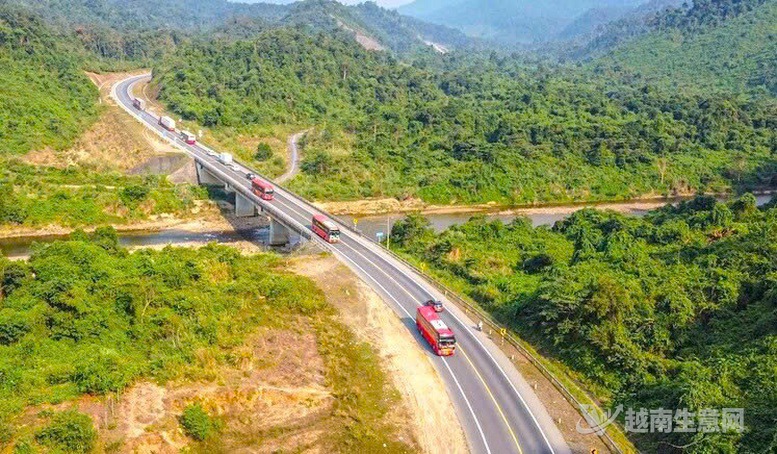
A section of the eastern North–South Expressway.(VietVance)
The company also proposed obtaining the rights to operate, manage and maintain more than 400 km of completed expressway and to collect tolls along the entire stretch from the start of the expansion, using the revenue to fund the work. It said this would ease the pressure to take out commercial loans and shorten the payback period. Its July 2025 proposal for the same stretch had an investment cost of VND 59.632 trillion, VND 12.553 trillion less than its October 2026 proposal.
The Ministry of Construction’s proposed toll arrangement differs from the company’s: after investors add two lanes, they could manage and collect tolls on all six lanes once each section is completed. In response to questions about investors using the existing four-lane public assets without an auction of operating rights, the ministry said the existing infrastructure would not count as the state’s contribution to the public-private partnership project. Once the project is approved and a contract signed, the assets could be handed over to the investor for management under the contract, then returned to the competent state authority when the contract expires.
In a letter to the Ministry of Construction in late October 2026, the Ministry of Finance cautioned that immediately widening the relevant sections would halt toll collection intended to reimburse the central budget, as required by the National Assembly. Under a public-private partnership, tolls could rise and increase logistics costs, while additional central budget funding might also be needed. The Ministry of Finance asked the Ministry of Construction to further assess the effects on logistics costs and central budget funding.
Source: VietVance