Vietnam Has More Than 18,000 OCOP Products as Rural Specialties Reach Wider Markets
By December 2025, Vietnam had 18,243 OCOP products rated three stars or higher. Producers of traditional sour meat in Phú Thọ and yellow flower tea in Ninh Bình are standardizing production, developing new products and expanding sales channels to reach wider markets.

According to Vietnam’s Ministry of Agriculture and Environment, the country had 18,243 One Commune One Product (OCOP) products rated three stars or higher as of December 2025, up 13,756 from the end of 2020. Three-star products accounted for 71.4%, four-star products for 27.7%, and 126 products received five stars. There were 9,820 OCOP participants, with women accounting for about 40% and ethnic minority people for 17.1%.
In Thanh Sơn, Phú Thọ Province, Công ty Cổ phần Sản xuất và Thương mại Trường Foods has developed traditional Mường sour meat from a handmade specialty into a standardized product. Company head Nguyễn Thị Thu Hoa said it has gradually standardized its recipe, introduced equipment and improved its packaging. The product has received a four-star OCOP rating. The company currently provides about 100 jobs, and its products have also been sold on e-commerce platforms since 2020.
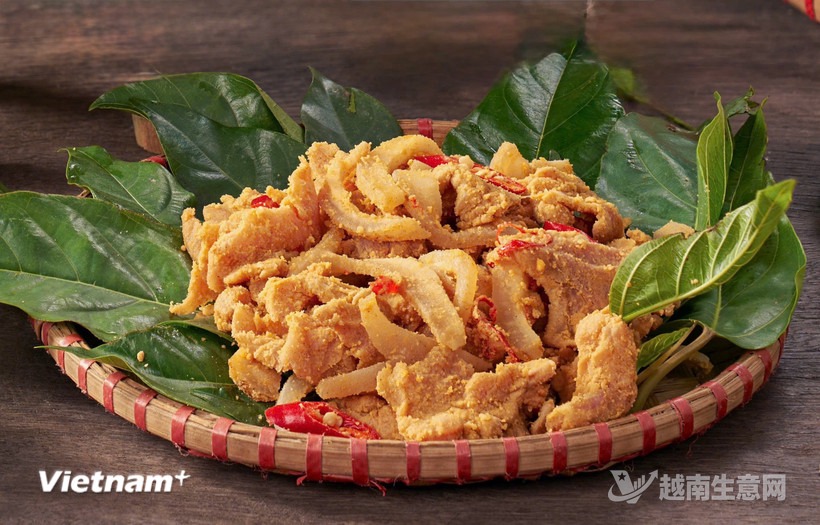
Traditional Mường sour meat from Thanh Sơn, Phú Thọ.(VietVance)
In Ninh Bình, Công ty Dược liệu Vũ Gia has developed products based on Cúc Phương yellow flower tea. Phạm Tiến Duật, who is involved in the project, said its growing area was certified to GACP-WHO standards in 2022. The company uses drip irrigation, microbial technology and different drying methods to develop products including teas and materials for extraction. Its Cúc Phương yellow flower tea has received a four-star OCOP rating from Ninh Bình Province.
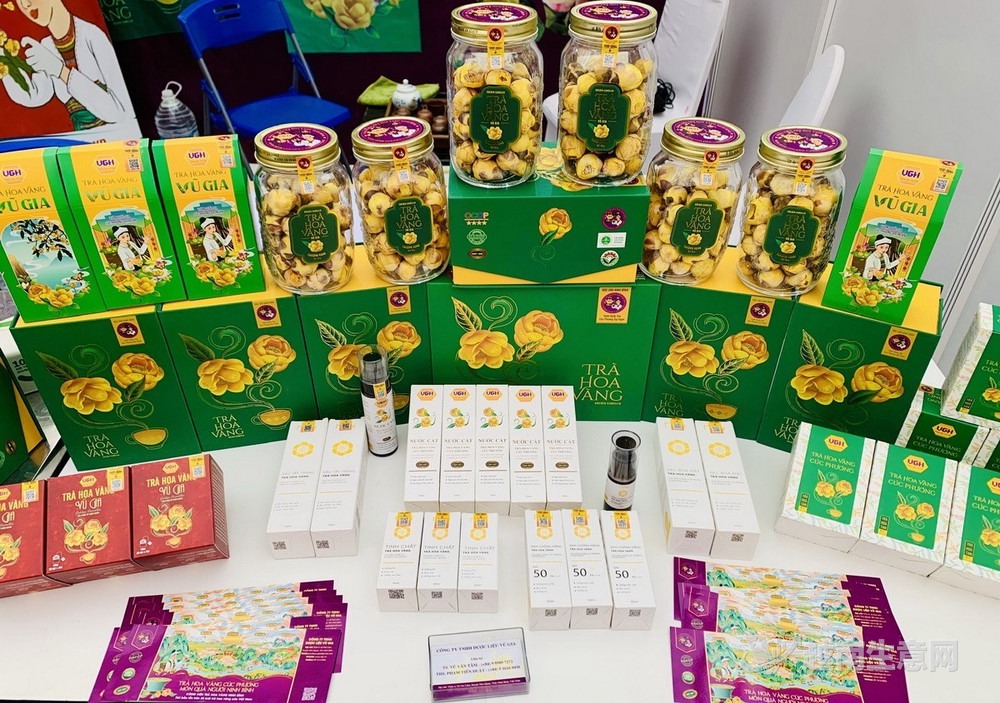
Yellow flower tea products.(VietVance)
In 2026, Vietnam’s prime minister issued Decision No. 26/2026/QĐ-TTg, setting criteria for evaluating and rating OCOP products. The new criteria allocate 40 points to the product and community strength, 25 to marketing capability and 35 to product quality. The two companies’ experience shows that, as local specialties reach wider markets, producers must continue to invest in raw materials, production and product quality management.
Source: VietVance