Vietnamese lawmakers propose changes to port asset transfer rules
Vietnamese lawmakers reviewing a draft revision of the Maritime and Inland Waterway Code called for clearer rules on transferring port assets when projects end and a reassessment of restrictions on foreign seagoing vessels at inland ports, citing potential effects on investment and logistics costs.

During a review in Hanoi of the draft revised Vietnam Maritime and Inland Waterway Code, National Assembly deputies focused on how to handle assets when port projects end, the conditions under which inland ports may receive foreign seagoing vessels, and local authorities’ powers to approve port investment projects. The relevant provisions are still under discussion.
The draft requires investors to transfer seaport terminal infrastructure assets attached to land to the state without compensation when a project’s operating term expires. National Assembly deputy Nguyễn Hoàng Trường said this could weaken investors’ incentive to upgrade facilities toward the end of a project. He proposed paying investors for the remaining unrecovered value of their invested assets when a terminal still conforms to the approved plan, and clarifying which assets must be transferred and how they should be valued. National Assembly deputy Thích Bảo Nghiêm proposed considering conditional extensions of project terms.
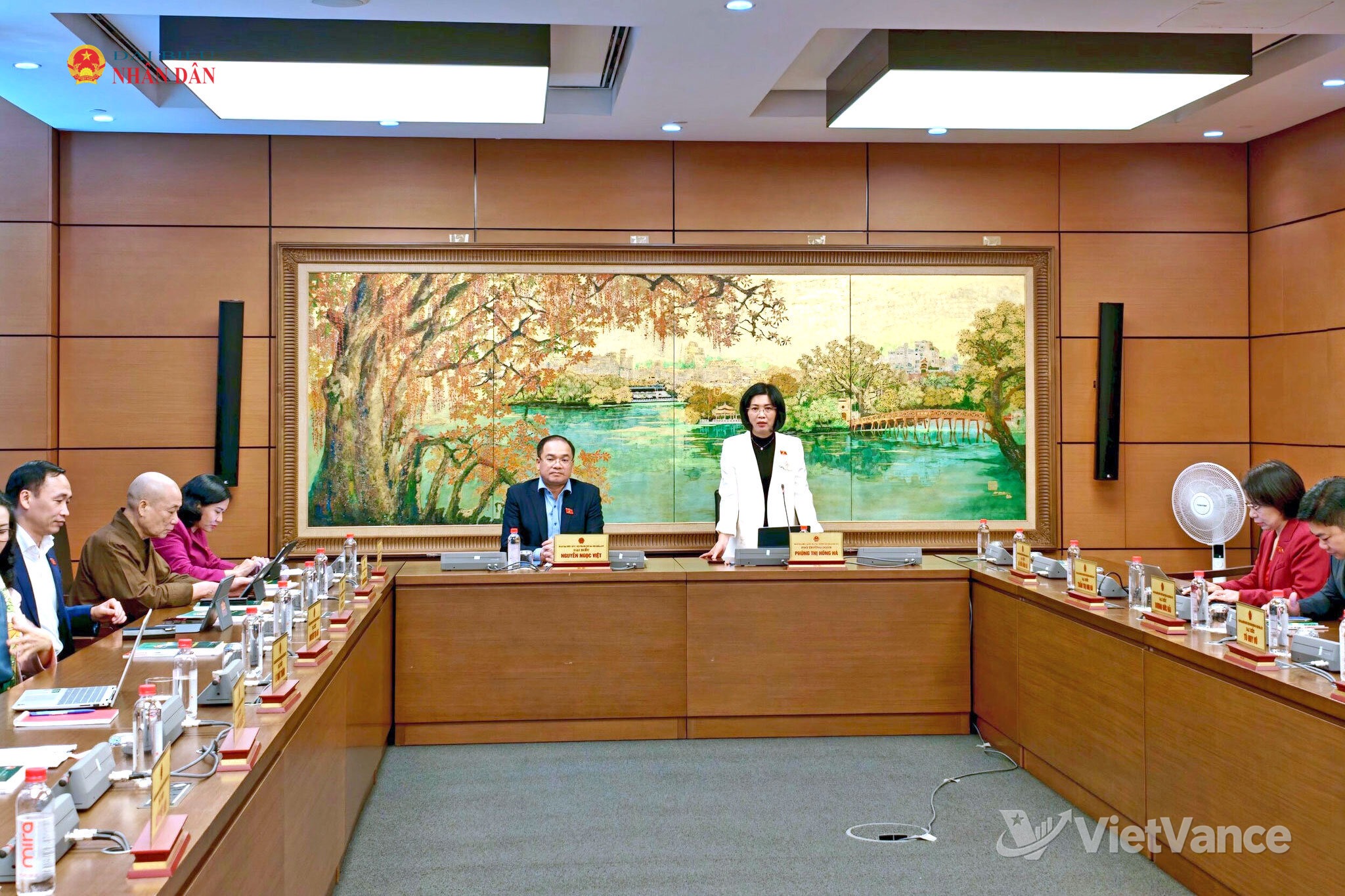
Hanoi’s Discussion Group 1 reviews the draft revised Maritime and Inland Waterway Code.(VietVance)
The draft also provides that inland ports may receive Vietnamese river vessels and seagoing vessels, but not foreign seagoing vessels; the government would set transitional arrangements for ports that already receive them. Nguyễn Hoàng Trường noted that Circular No. 20/2026/TT-BXD currently permits inland ports to receive foreign watercraft if they meet security and safety conditions. He proposed allowing ports that meet maritime safety, pollution prevention and planning requirements to receive foreign seagoing vessels.
Citing a government report, Nguyễn Hoàng Trường said about 5 of the roughly 260 ports currently receive foreign seagoing vessels, but the draft lacks a specific assessment of the effects on freight volumes and logistics costs. Thích Bảo Nghiêm also called for an assessment of whether the new restriction would add transshipment steps and increase costs for businesses, and for clarification of the scope and time limits for seeking the relevant ministry’s opinion on projects approved at the provincial level.

National Assembly deputy Thích Bảo Nghiêm speaks during the discussion.(VietVance)
On industry support, Thích Bảo Nghiêm backed targeted support for shipbuilding, supporting industries and new technologies, while calling for an assessment of the fiscal impact of tax, land and credit incentives. He also urged Hanoi to fully assess the effects on flood drainage and dike safety before using riverbanks for shipbuilding and repair facilities.
Source: VietVance