Vietnam Studies Microbial Extraction in the Red River Delta Coal Basin
Vietnam’s Red River Delta coal basin covers more than 3,500 square kilometers and has estimated coal reserves of about 210 billion tonnes. Complex hydrogeological conditions hinder conventional extraction, while research into using microorganisms to convert underground coal into gas requires further testing.

Vietnam’s Red River Delta coal basin extends to a depth of about 3,500 meters. Data published by the Vietnamese government show that the area covers more than 3,500 square kilometers, with estimated coal reserves of about 210 billion tonnes. But resource potential is not the same as reserves that can be extracted in practice, and complex geological conditions remain an obstacle to development.
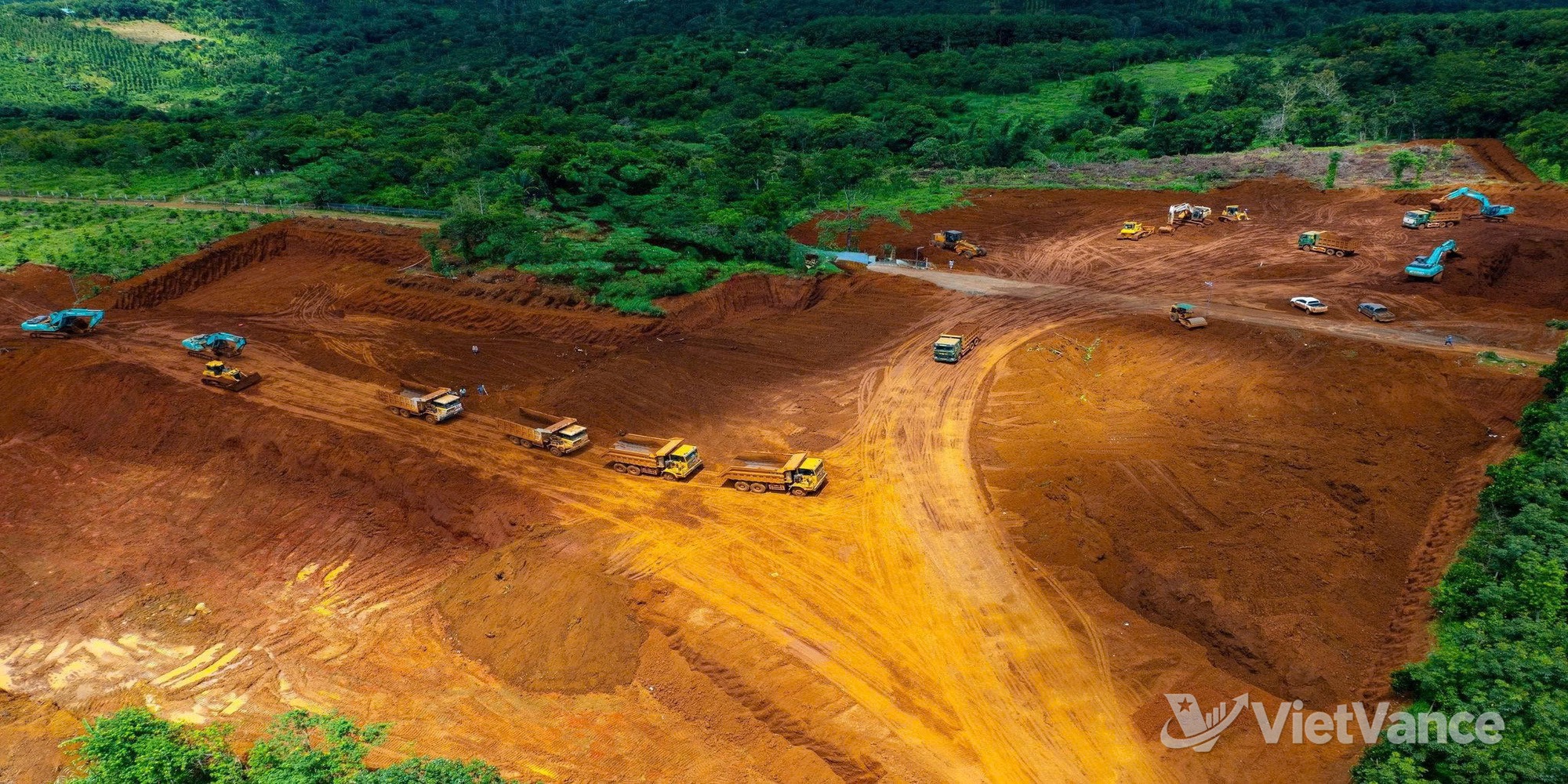
Illustration of coal resources.(VietVance)
A development strategy for the Vietnam Coal and Mineral Industries Group, signed in March 2025, calls on the group to adopt advanced exploration technologies, particularly in geologically complex areas with deeply buried deposits. It also calls for continued efforts to find partners and study exploration methods suited to the Red River Delta coal basin.
The coal basin extends from Phu Tho to the coast of the Gulf of Tonkin, encompassing areas including Hanoi, Hung Yen, Ninh Binh and Hai Phong. A workshop in December 2018 identified about 1,920 square kilometers with coal seams of industrial scale that might be suitable for extraction. The basin’s relatively loose rock layers readily allow water to pass through, accumulate and flow, making conventional extraction methods high risk.
In October 2025, the Vietnam Coal and Mineral Industries Group held a review of a study modeling microbial coal extraction. The proposed method uses native underground microorganisms to convert coal into gas. Preliminary research identified conditions for suitable seam depth, thickness and temperature, among other factors, and used simulations to forecast methane output. But the available data come from only a limited number of boreholes and coal samples. Broader research and laboratory, pilot and field trials are still needed.
Source: VietVance