Vietnam steps up transport fare inspections, focusing on firms that have not cut rates after fuel prices fell
Vietnam’s Road Administration is inspecting road transport fare declarations, posted rates and actual charges, focusing on firms that raised fares when fuel prices rose but have not reduced them accordingly. Gia Lai province says local passenger operators have kept fares unchanged since the start of the fourth quarter of 2026.

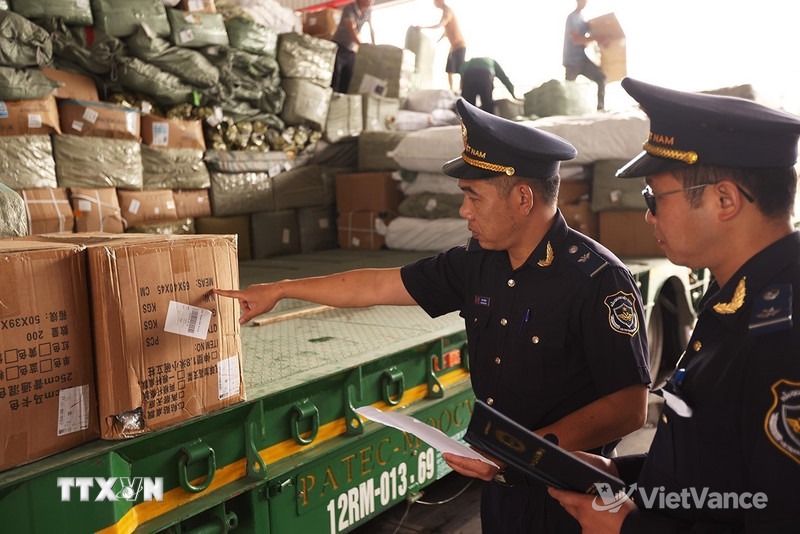
The Vietnam Road Administration is stepping up inspections of road transport fares across the country, focusing on whether operators declare, post and charge fares as required. For firms that raised fares when fuel prices rose but have not reduced them accordingly since fuel prices fell, inspectors will examine cost components, fare declaration documents and actual charges. Violations will be handled under the law.
On November 14, a Vietnam Road Administration working group conducted inspections at Quy Nhon Bus Station with Gia Lai province’s Department of Construction and representatives of several transport operators and bus station operators. The department said local fixed-route passenger services, taxis and bus operators had maintained their existing fares without increases since the start of the fourth quarter of 2026, despite fluctuations in fuel prices. Freight operators continue to charge according to signed contracts, while the parties agree on rates for new contracts in line with cost changes and legal requirements.
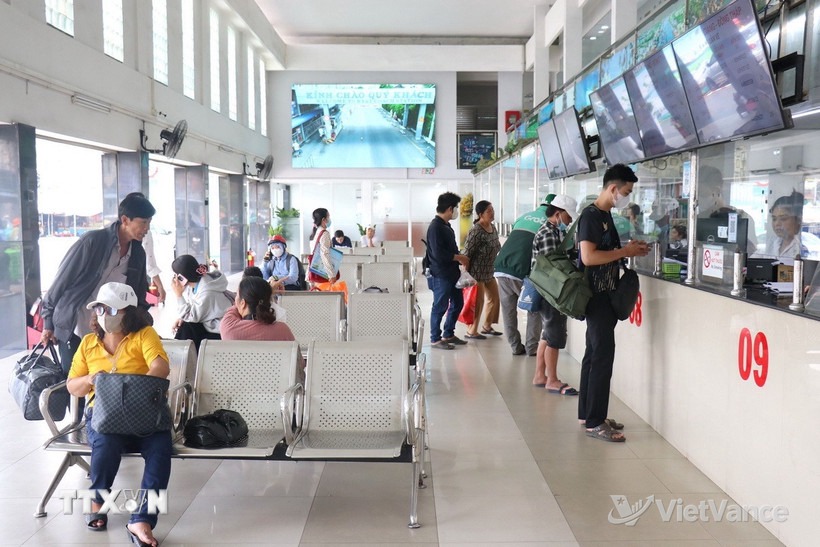
Passengers buy tickets at Mien Tay Bus Station. File photo.(VietVance)
Gia Lai province currently has 71 fixed-route passenger operators serving 182 routes with 856 vehicles, as well as 3 bus operators, 18 taxi companies and 1,061 freight operators. In the first 10 months of 2026, the provincial Department of Construction stepped up reviews of fare declarations and inspections of transport businesses, fining 3 entities a total of 48 million Vietnamese dong for violating price regulations.
Phan Thanh Uy, standing vice chairman and secretary-general of the Vietnam Automobile Transport Association, said fuel accounts for about 35% to 40% of the operating costs of road transport vehicles, but fare adjustments must also take into account vehicle, labor and maintenance costs. He said lower fuel prices and the government’s reduction of the special consumption tax rate on all types of gasoline to 0% from November 1, 2026, would ease cost pressures on businesses and create room to renew vehicles, advance the green transition and reduce logistics costs.
Source: VietVance