Vietnam Completes Remote-Area Mobile Coverage Project Two Months Early
By the end of October 2026, all 1,337 base stations in Vietnam’s remote-area mobile coverage project were operational, bringing connectivity to 1,856 mobile coverage gaps across 23 provinces and cities. The project finished two months ahead of schedule through coordinated work on power, land access and transmission links.

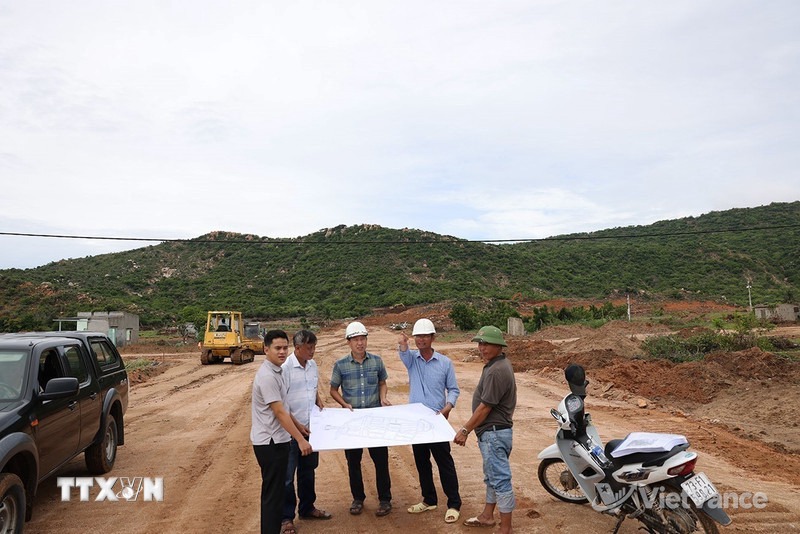
By the end of October 2026, all 1,337 base stations in Vietnam’s 2026 project to extend mobile coverage to remote areas were operational, bringing connectivity to 1,856 areas without a signal across 23 provinces and cities. The project finished two months ahead of schedule. It covered remote villages on its target list and settlements with at least 50 residents, with the operator, local authorities, the military, power suppliers and residents working together on construction.
Preparations for the project began in March 2026. On March 21, Vietnam’s Ministry of National Defence instructed Viettel to study ways to bring coverage to villages without a mobile signal. On March 23, Vietnam’s prime minister called for mobile coverage gaps in remote and border areas to be addressed that year. The implementation plan was approved on June 19, establishing the specific locations to be covered. From March, Viettel worked on site selection, design and supplies in parallel.
At a mountain village in Lạng Sơn province, construction crews had to carry cables and equipment by raft, then haul them about 1.5 kilometers up a steep mountain path to the base station site. With no connection to the national power grid, technicians used solar panels and batteries to power the station, which began operating around September 2, 2026. Nationwide, 157 households donated land for the project, while local authorities helped complete land-use procedures.
Power connections and transmission links were built alongside the base stations. The Ministry of Industry and Trade and Vietnam Electricity coordinated grid connections for 82 stations, while military units helped transport equipment and lay fiber-optic cable. At sites where the terrain made cable installation impossible, microwave radio links connected the stations to the network, reducing the time spent waiting for transmission lines.
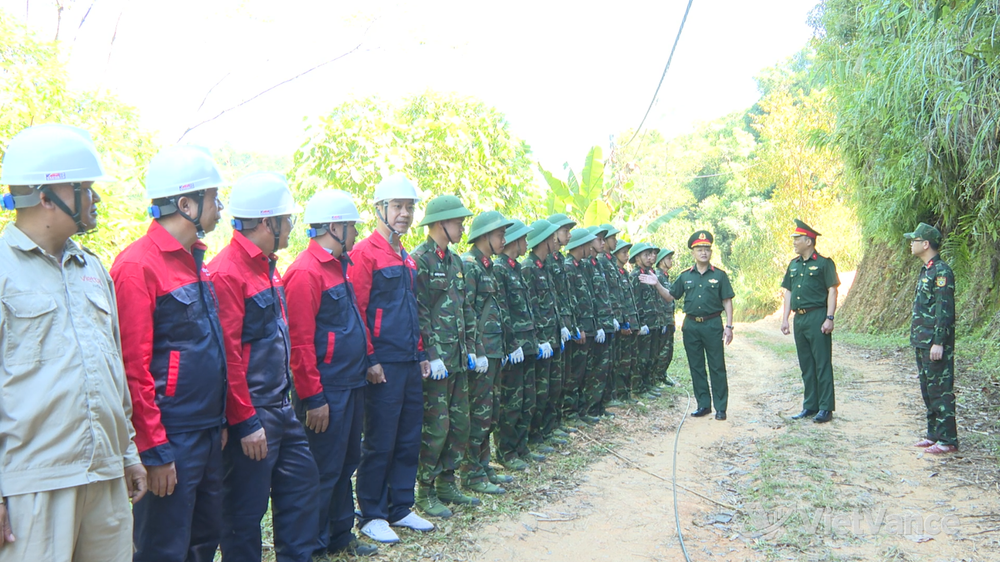
Multiple organizations worked together to build the base stations.(VietVance)
The new coverage also supports border communications. In Điện Biên province, mobile service now reaches about 20 kilometers of the Vietnam–Laos border managed by a border guard post, allowing patrols to stay in contact. Viettel said it is still identifying settlements with fewer than 50 residents and plans to expand mobile coverage further in remote areas.
Source: VietVance