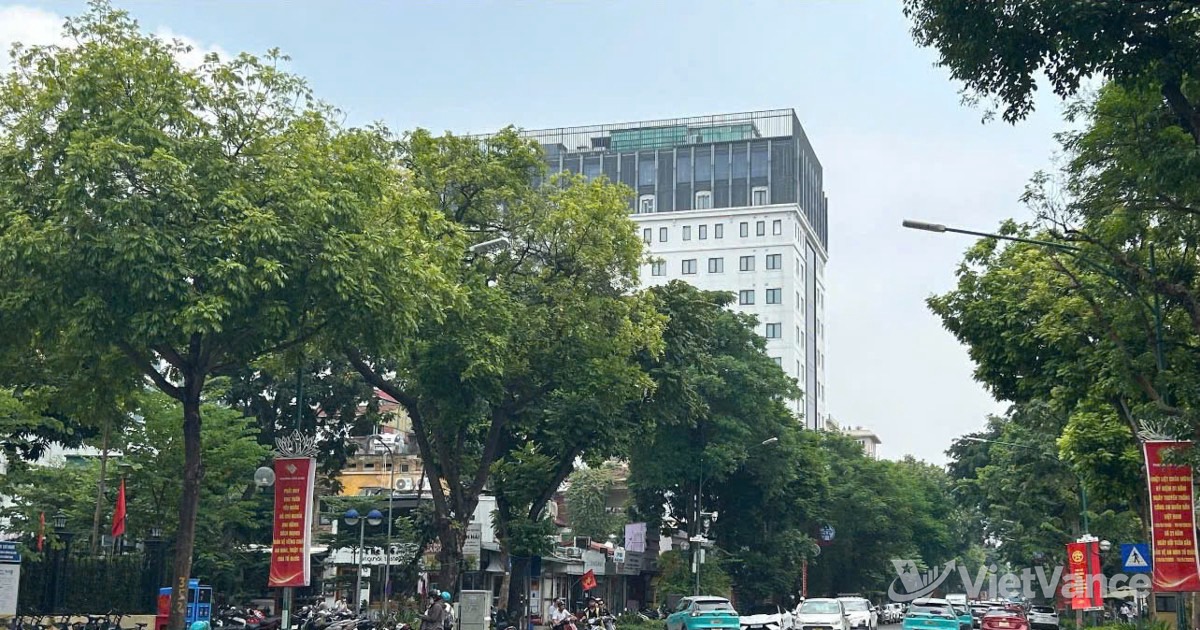
Vietnam-Russia Tropical Research Cooperation: 32 Results Put to Use
The Vietnam-Russia Tropical Center has led more than 250 research projects and tasks since 2020, and 32 of its products and technologies have been deployed or put into practical use. It has also opened an infectious disease prevention and control laboratory in Hanoi, expanding its disease monitoring and research facilities.

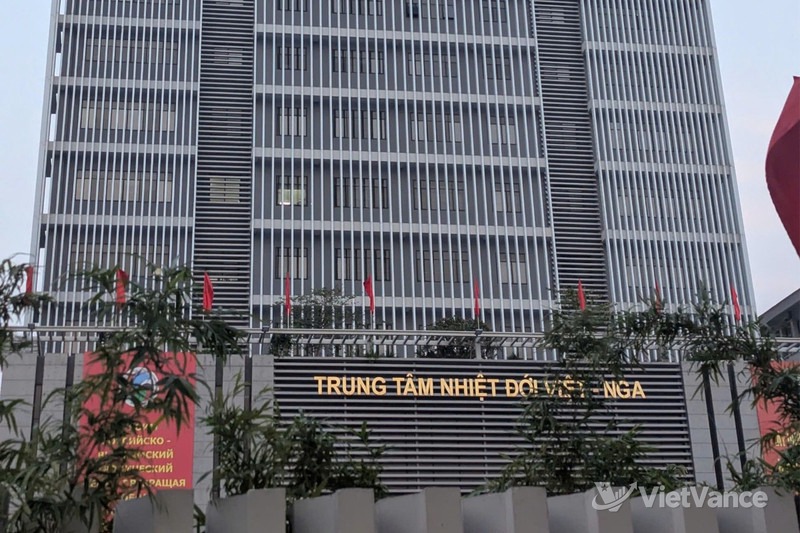
The Vietnam-Russia Tropical Center conducts research in tropical materials, ecology, tropical biomedicine and biotechnology. Its director general, Đặng Hồng Triển, said that since 2020, the center has led more than 250 research projects and tasks at various levels, including more than 50 at the national and Vietnamese Ministry of National Defence levels. Thirty-two products and technologies developed by the center have been deployed as equipment or put into practical use.
In tropical materials research, the center has developed material protection and corrosion prevention technologies to extend the service life of weapons and technical equipment in tropical conditions. It produces and supplies about 500 tonnes of protective materials each year, across more than 20 varieties. Its ecological research covers biodiversity conservation, responses to climate change, and tropical forest and marine ecosystems. From 2020 to 2025, the center discovered and described more than 200 species new to science.
On September 9, 2026, the center’s infectious disease prevention and control laboratory in Hanoi was inaugurated and began operations. Its equipment supports research, monitoring and responses to dangerous infectious diseases, as well as drug and vaccine development. At the inauguration, Tô Lâm called for the laboratory to be gradually developed into a research center capable of monitoring pathogens, forecasting and warning of risks, and responding rapidly.
The center was established on March 7, 1988, under a cooperation agreement previously signed by Vietnam and the Soviet Union. It was originally called the Vietnam-Soviet Tropical Center. The Vietnamese and Russian governments signed a supplementary protocol on November 11, 1993, continuing the cooperation. Today, the center has research facilities, laboratories and observation stations in northern, central and southern Vietnam.
Source: VietVance