Vietnamese SMEs Face Energy Transition Costs and Electricity Supply Pressures
As Vietnam’s electricity demand grows, small and medium-sized enterprises face volatile energy costs and stricter emissions requirements in export markets. A vice chairman of the Vietnam Chamber of Commerce and Industry says high upfront costs, long payback periods and limited access to suitable green financing are major barriers to their energy transition.

Vietnamese small and medium-sized enterprises (SMEs) face the combined pressures of electricity supply and energy costs. Hoàng Quang Phòng, vice chairman of the Vietnam Chamber of Commerce and Industry, said businesses must also meet increasingly strict emissions reduction standards in export markets. For SMEs with limited capital and thin profit margins, local power shortages and fluctuating energy prices could affect delivery schedules and product costs.
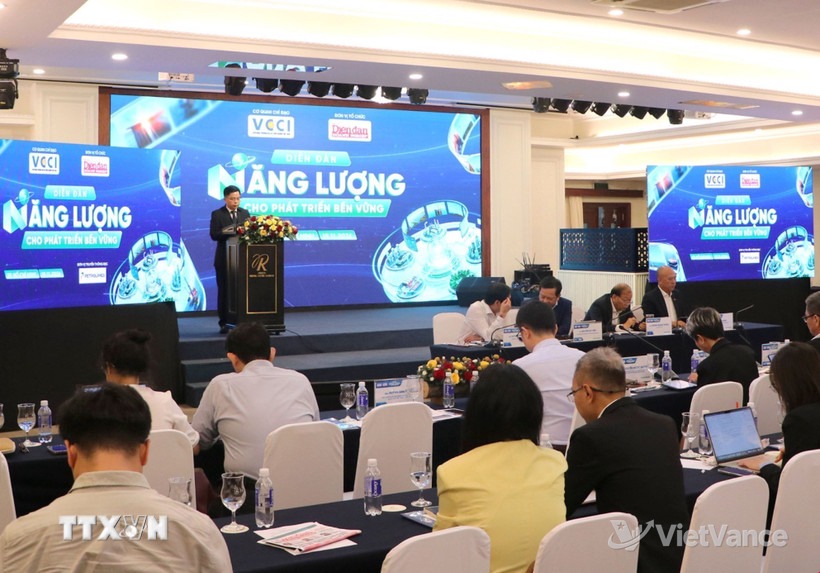
The “Energy for Sustainable Development” forum.(VietVance)
According to the Ministry of Industry and Trade, commercial electricity sales grew by an average of 8% to 9% a year from 2021 to 2025 and rose 9.84% in the first 10 months of 2026. Vietnam’s dependence on imported primary energy increased from 8.4% in 2015 to 44% in 2025. Hoàng Quang Phòng said domestic energy supply still relies on imports and international shipping routes, electricity demand in the north remains under pressure, and some power generation and transmission projects have not kept pace with demand.
Nguyễn Đức Hiển, deputy head of the Central Policy and Strategy Commission, said commercial electricity sales would need to grow by 11% to 12% a year to support Vietnam’s goal of average annual double-digit GDP growth from 2026 to 2030. He warned that without changes to the relevant mechanisms, the power system could face a capacity shortfall of about 4,300 megawatts by 2027 and nearly 13,964 megawatts by 2030. These figures are conditional projections.
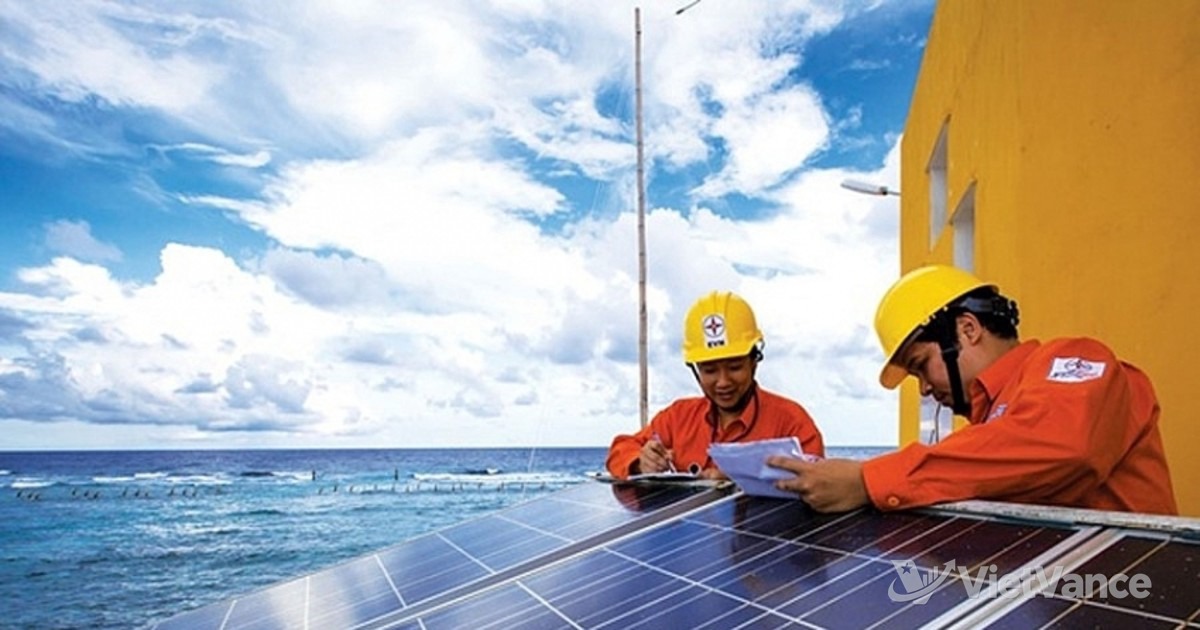
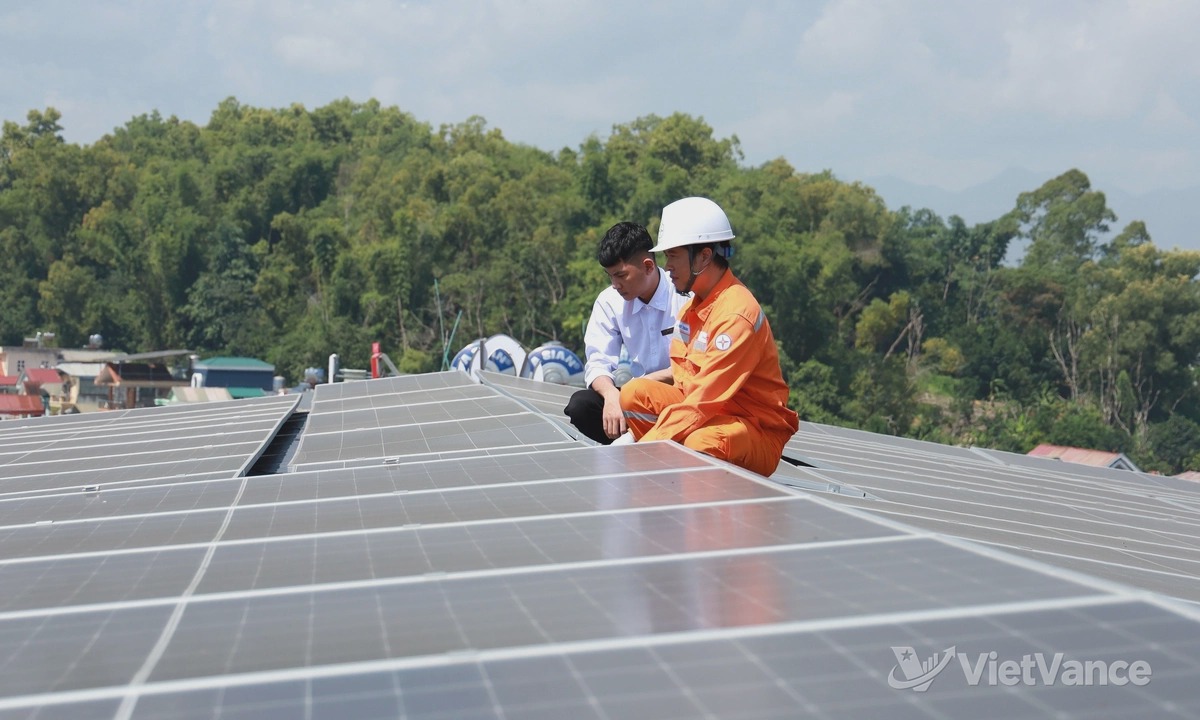
On the business transition, Hoàng Quang Phòng identified three main barriers: high upfront equipment costs, long payback periods, and policies and green financing tools that do not adequately fit SMEs. He recommended improving policies, accelerating transmission grid construction and expanding public-private partnerships. Nguyễn Đức Hiển called for detailed guidance on implementing the 2024 Electricity Law, progress on direct power purchase mechanisms, and support for businesses to install rooftop solar systems for their own use to gain greater control over their electricity supply.
Source: VietVance