Vietnam Proposes Restricting Resales of Social Housing After Five Years
A draft amendment to Vietnam’s Housing Law would allow social housing buyers to resell their homes after five years only to people eligible under the social housing policy. Experts say the restriction could curb speculation but may also affect the legal rights of buyers who genuinely need housing.

A draft amendment to Vietnam’s Housing Law proposes narrowing who may buy social housing on resale: five years after paying the full purchase price, buyers would be allowed to transfer their homes only to people eligible under the social housing policy. Under the current 2023 Housing Law, buyers who have paid in full for at least five years and obtained an ownership certificate may sell to people seeking housing through the market. The proposed rule remains at the draft stage.
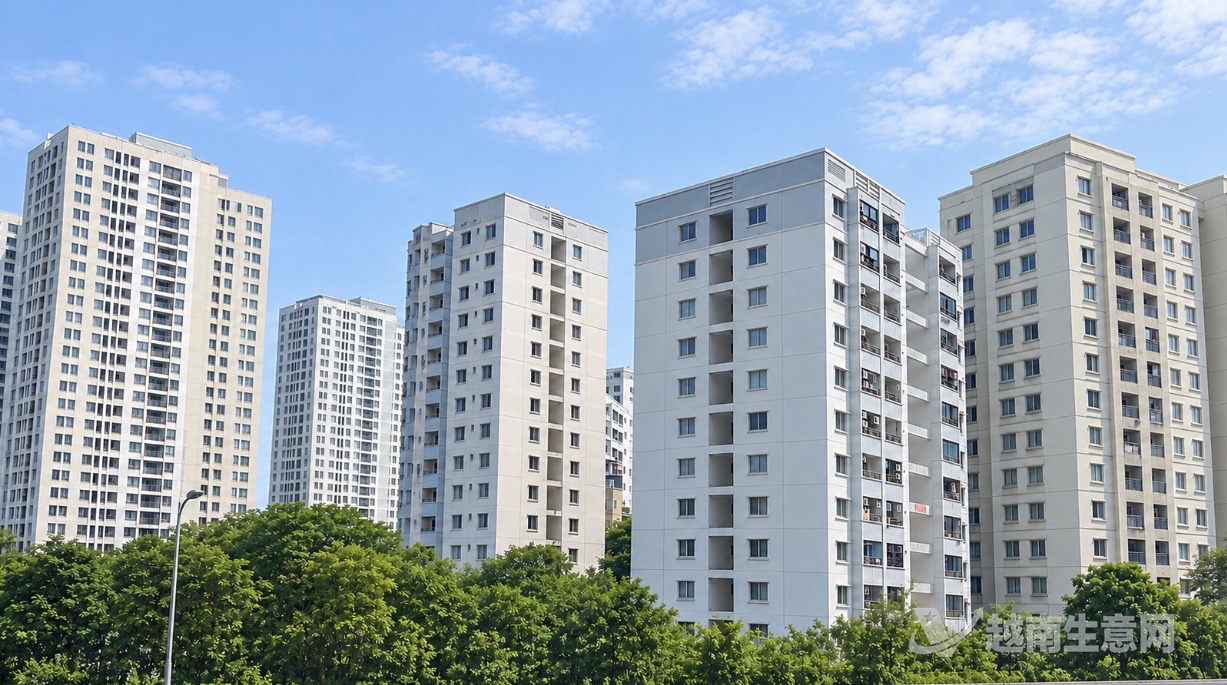
Illustration of social housing.(VietVance)
At a recent National Assembly session, Nguyễn Khánh Vũ, a representative from Quảng Trị Province, said the draft would narrow buyers’ right to dispose of their homes. He nevertheless supported the change, saying social housing should serve eligible people and the policy must be protected from profiteering. Supporters say transfer restrictions could reduce the practice of buying homes at preferential prices and reselling them for a profit.
Phạm Thị Miền, deputy director of the Vietnam Institute of Economics and Real Estate Research, said homes affordable to most people are in short supply, drawing attention to social housing. She said some buyers do not live in their homes, instead renting them out or arranging transactions through written witness records before completing the transfer procedures after five years. She believes tighter transfer rules could make such speculative transactions less attractive.
Phạm Thị Miền also said a blanket restriction on who may receive a transfer would affect buyers with genuine housing needs. She suggested considering stronger checks on actual use, supervision and enforcement against violations; where sufficient evidence exists, authorities could consider repossessing homes involved in violations. Trần Thế Dũng, deputy general director of Công ty TNHH Land Phát Đạt, said policymakers should establish the scale and methods of speculation and identify those involved before imposing further restrictions, then compare the effectiveness of different regulatory measures.
The VARS Real Estate Market Research and Assessment Council said tighter transfer rules after five years require an assessment of both their effectiveness in curbing speculation and their impact on legitimate resale needs. The policy should balance keeping social housing available for its intended beneficiaries with protecting owners’ legal rights.
Source: VietVance