Vietnam Proposes Restricting Social Housing Resales, While Prices May Remain Market-Based
A proposed revision to Vietnam’s Housing Law would limit resales of social housing, five years after full payment, to eligible buyers. The Ministry of Construction says price caps would pose legal and practical difficulties, so resales may still take place at market prices. The National Assembly plans to vote on the bill on November 21.

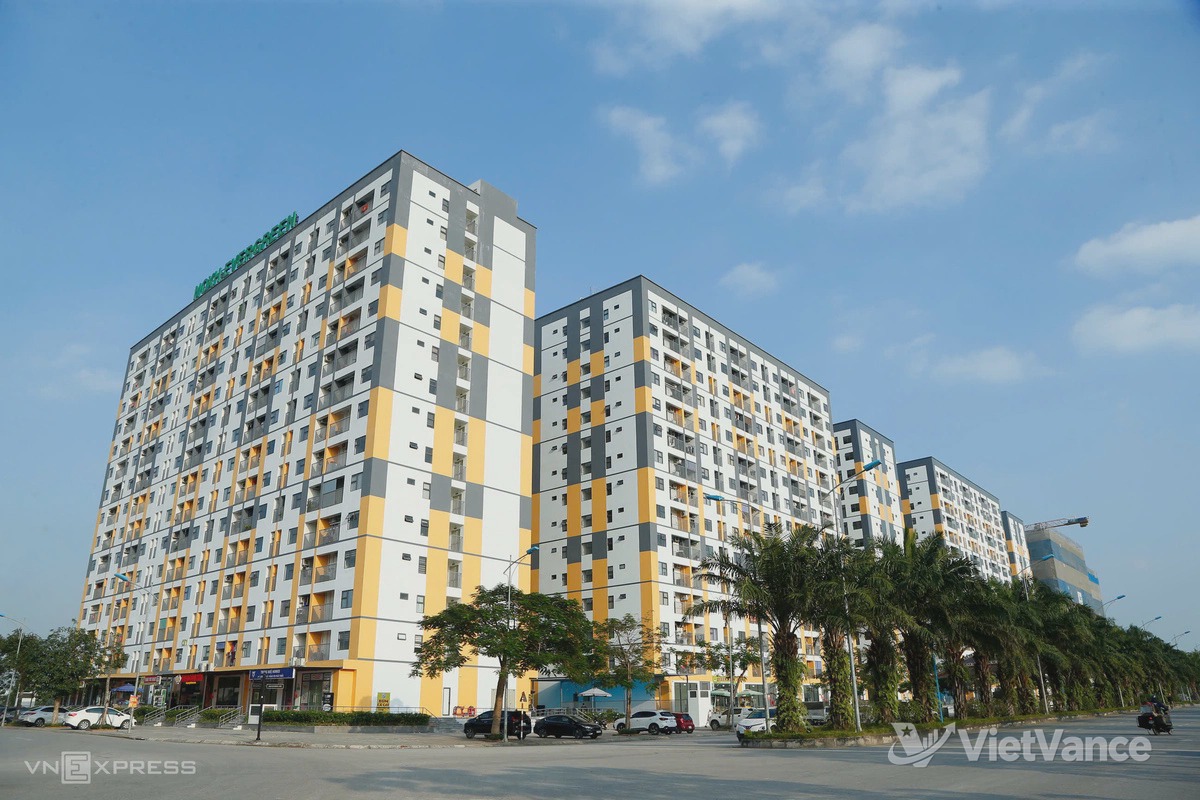
A draft revision to the Housing Law submitted by the Vietnamese government would tighten restrictions on who can buy social housing on resale: five years after paying in full, owners could transfer their homes only to people eligible under the social housing policy. The current Housing Law allows transfers under market rules after five years, without restricting who can buy the homes.
Whether resale prices should be restricted remains under discussion. The Ministry of Construction said some had previously called for caps on resale prices after five years to curb speculation and profiteering from the policy. But the ministry said price caps would affect owners’ right to dispose of their property, add administrative procedures for determining prices, and be difficult to apply in practice. It also said it had received calls to reconsider restrictions on resale at market prices, as such rules could affect residents’ interests.
Under the draft, social housing paid for in full at least five years before the new law takes effect is expected to remain transferable under market rules, with no restrictions on who can buy it. This means the proposed new restriction would mainly apply to subsequent transfers covered by the new law; the specific rules remain subject to the legislative process.
The Vietnamese government has instructed local authorities to develop 899,857 social housing units by 2030. The target for rental housing has been raised to 191,023 units, about 21% of the total; the remaining 708,834 units are for sale or lease-purchase. Ho Chi Minh City has the highest target, at 181,257 units, followed by Hanoi with 84,000 and Dong Nai with 60,054. The National Assembly plans to consider and vote on the revised bill on November 21, 2026. If passed, the law is expected to take effect on July 1, 2027.
Source: VietVance