Vietnam Plans to Advance Strategic Technology Research by Development Stage
At a November 12 National Assembly question-and-answer session, Vietnam’s science and technology minister said strategic technology tasks have been assigned to ministries, though project reviews are progressing slowly. Vietnam can design semiconductor chips but still relies on overseas manufacturing, while complex technologies such as drones will require research tasks divided by component.

On November 12, Vietnam’s National Assembly discussed the development of core, strategic and materials technologies during a question-and-answer session on science and technology. Dương Khắc Mai, a National Assembly deputy from Lâm Đồng, said these technologies bear on national security and public order, and asked how businesses could be encouraged to participate in research, development and production.
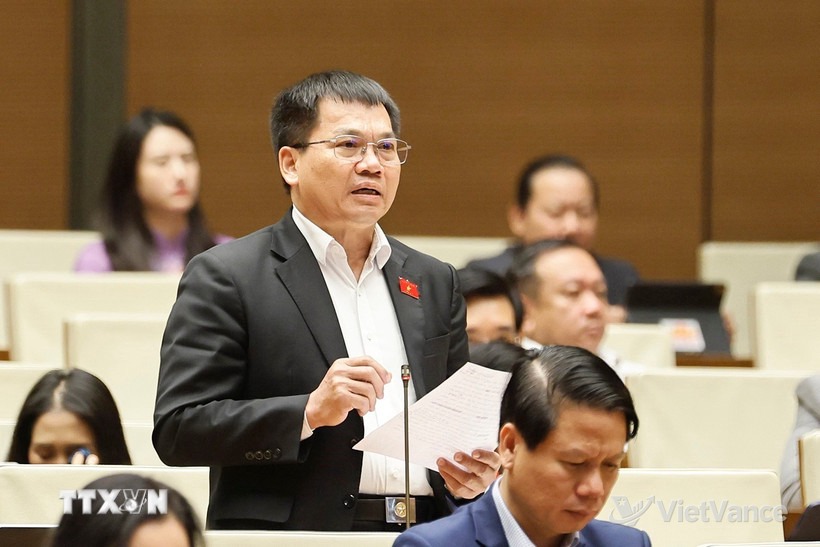
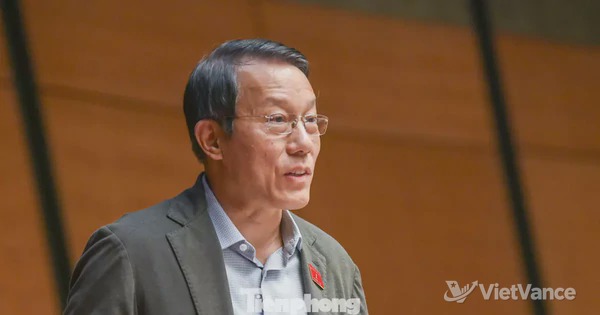
National Assembly deputy Dương Khắc Mai of Lâm Đồng asks a question during the session.(VietVance)
Vietnam’s Minister of Science and Technology Vũ Hải Quân said an interministerial council led by his ministry had been established after the prime minister approved a list of strategic technologies and assigned tasks to ministries. His ministry’s areas of responsibility include artificial intelligence, semiconductor chips and drones. The Ministry of Education and Training is responsible for an AI platform to support learning, while the Ministry of Health is responsible for vaccine-related tasks.
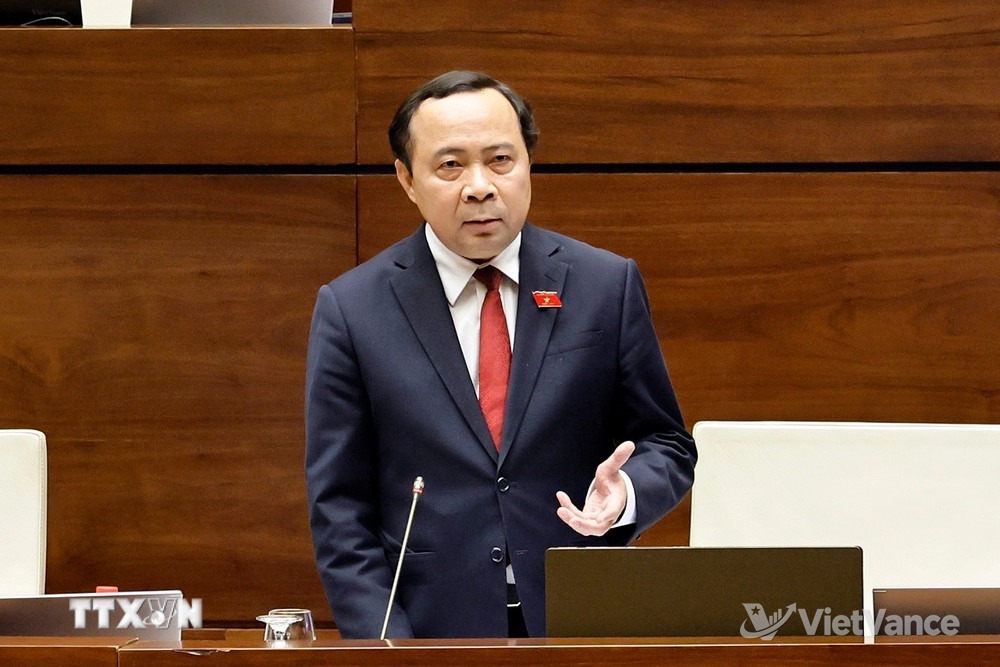
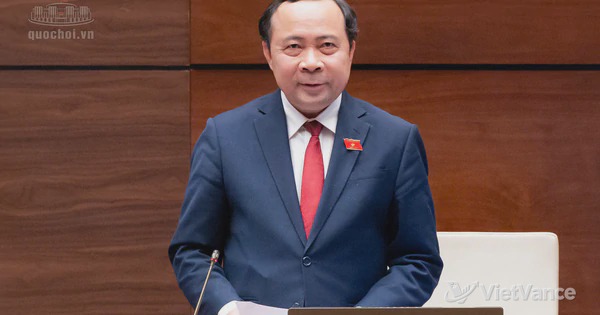
Vietnam’s Minister of Science and Technology Vũ Hải Quân speaks.(VietVance)
Vũ Hải Quân said ministries must discuss tasks with businesses, submit them to the interministerial council for review, then complete their plans, invite participants and implement the projects. He acknowledged that the process is currently moving slowly because each task must specify a product and technology and assess its potential for commercialization and contribution to economic growth.
Nguyễn Minh Tuấn, a National Assembly deputy from Phú Thọ, asked which core technologies Vietnam could master in drones, robotics and materials. Citing semiconductor chips, Vũ Hải Quân said Vietnam can carry out the design stage, but chip manufacturing still has to be done abroad. A strategic technology product involves multiple stages, and Vietnam has mastered some of them.
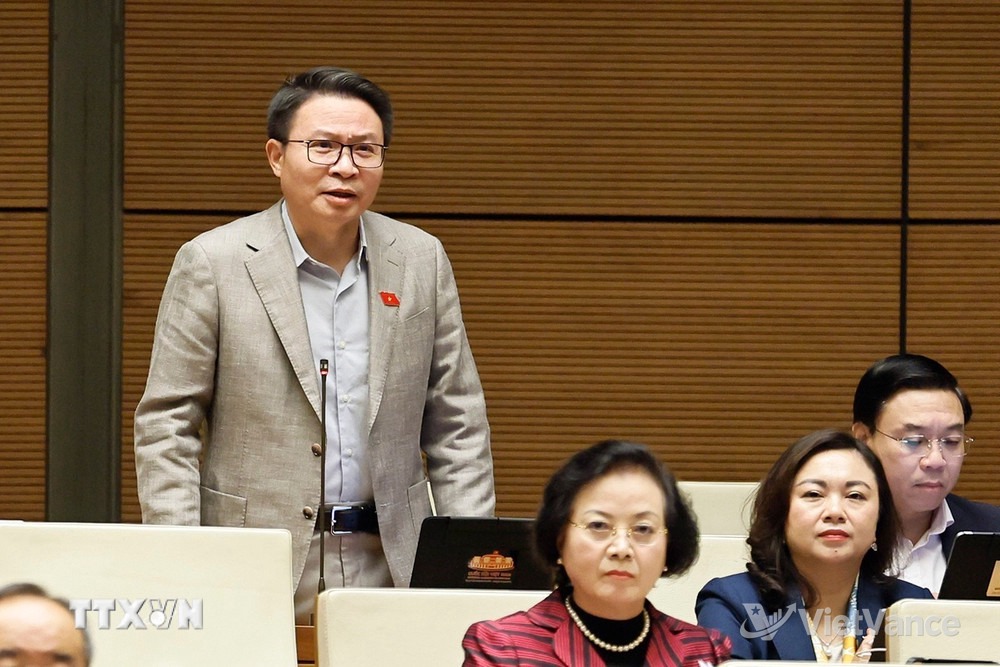
National Assembly deputy Nguyễn Minh Tuấn of Phú Thọ asks a question during the session.(VietVance)
For future research and development, Vũ Hải Quân proposed distinguishing between technologies that can be applied relatively quickly and those requiring long-term investment. He said vaccine technology can currently be transferred from abroad for production in Vietnam, while drones involve multiple fields, including chips, mechanics and materials. Their technical challenges therefore need to be divided into separate research tasks.
Source: VietVance