Vietnam Approves 0.2% Tax on Idle Land Starting in 2027
Vietnam’s National Assembly approved tax law amendments on November 20, 2026, imposing a 0.2% tax on idle land from July 1, 2027, with no area limit. Land in approved phased investment projects will be taxed at 0.03%, while land used for shared infrastructure in industrial parks will be excluded from the taxable area.

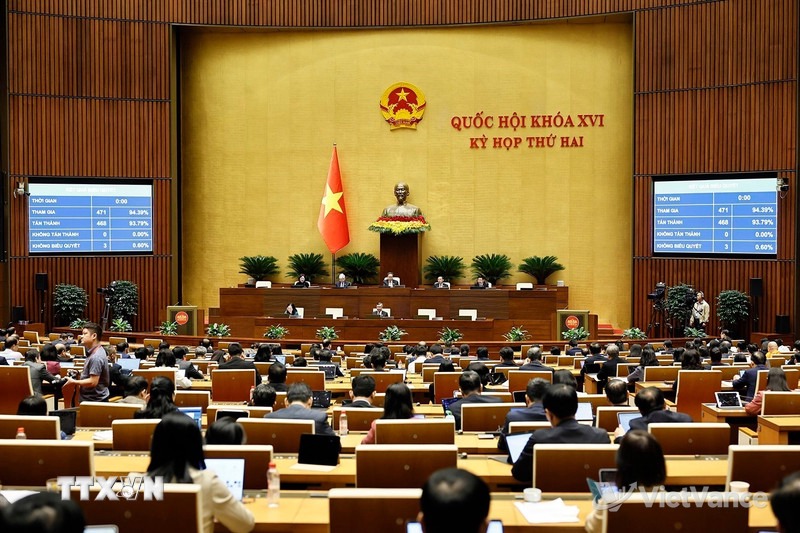
Vietnam’s National Assembly passed tax law amendments on the afternoon of November 20, 2026, applying a 0.2% tax rate to idle land with no area limit. The measure and related rules on taxable land area will take effect on July 1, 2027. Of the 477 lawmakers who voted, 475 voted in favor. The amendments cover the Law on Corporate Income Tax, the Law on Non-Agricultural Land Use Tax and the Law on Personal Income Tax.
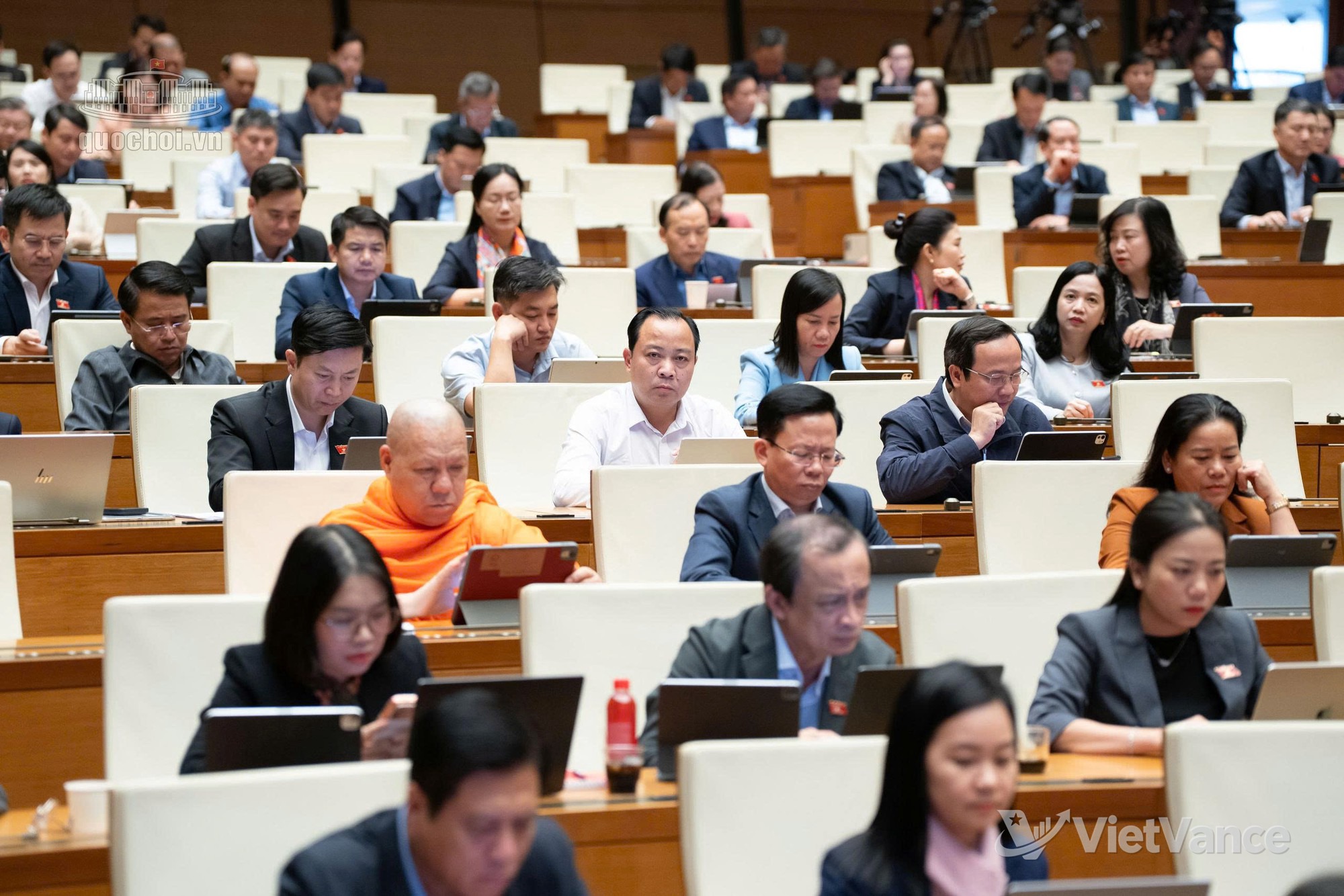
Vietnamese National Assembly lawmakers attend the afternoon session on November 20, 2026.(VietVance)
Before the vote, Finance Minister Ngô Văn Tuấn said the amendments would include idle land in the taxable land area to establish a basis for calculating the tax. Under the law, the taxable area is the area of land actually used or left idle. Where a person holds land use rights to multiple residential plots, the taxable area is the combined area of those plots.
Land in investment projects implemented in phases as registered by investors and approved by the competent authorities will be subject to a 0.03% tax rate. Where the state allocates or leases land for industrial park construction, land used to build shared infrastructure is excluded from the taxable area. Ngô Văn Tuấn also said the draft proposed shortening the period for which land prices used to calculate tax remain stable from five years to three years, aligning it with amendments to land legislation submitted to the National Assembly.
Provisions concerning the land price table used to calculate tax will take effect on January 1, 2028. The 2027 land price table will continue to follow the preceding stability cycle. The Vietnamese government said taxation is one financial tool for addressing idle land and should work alongside land use fees, rent, penalties and land recovery. The aim is to encourage economical and efficient land use and reduce idle land and speculation.
Source: VietVance