Ho Chi Minh City Proposes Full Funding for Training in Six Priority Fields
Ho Chi Minh City’s Department of Science and Technology is seeking feedback on a proposal to fund training in six priority fields through assigned tasks, service orders or competitive bidding. The draft would cover 100% of approved training costs for up to 10 months per academic year and is expected to be submitted to the City People’s Council at its year-end session.

Ho Chi Minh City’s Department of Science and Technology is seeking feedback on a draft policy for training highly skilled workers. It plans to submit the revised draft to the City People’s Council for consideration at its year-end session. The draft proposes funding from the city’s annual recurrent expenditure budget and encourages other lawful funding sources. Training services could be provided through assigned tasks, service orders or competitive bidding. The policy remains a proposal.

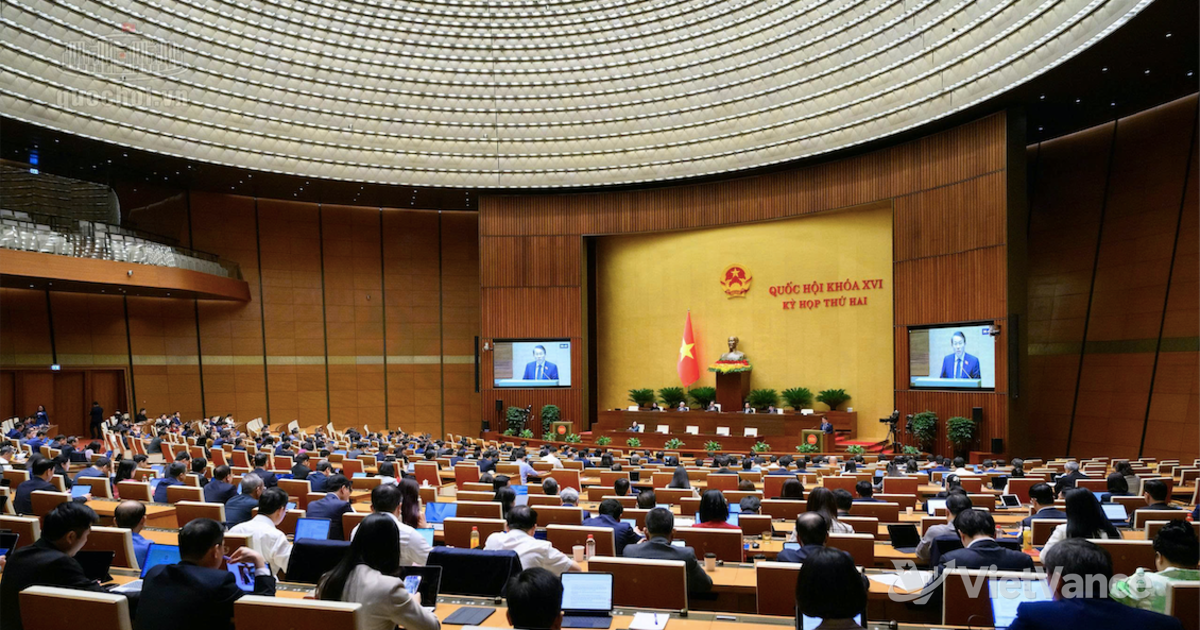
Illustration of Ho Chi Minh City’s proposed workforce training policy for priority fields.(VietVance)
The draft identifies six priority fields: advanced healthcare, biomedicine and pharmaceuticals; education and teacher training; smart cities, infrastructure, transport and planning; finance, banking, trade and business management; culture, high-quality tourism, sports and the heritage economy; and strategic technologies, digital transformation, the green economy and high-tech agriculture. Specific training areas include urban rail, logistics, cross-border e-commerce, semiconductors, artificial intelligence and carbon credit markets.
Training providers could include domestic and foreign universities, vocational education institutions, research institutes and other organizations qualified to provide training. Programs could be designed for specific assignments or offered as modules or degree places in existing programs. Training could take place domestically or abroad, online or in a hybrid format. Organizations requesting training must specify the target learners, their number, the skills to be acquired, the timetable and their job placements after training.
The draft proposes covering 100% of learners’ training costs at approved rates for assigned tasks, service orders or tenders. Support would be based on the actual months of study, up to 10 months per academic year. Learners who breach their study or work obligations would have to repay the funding under the rules; repayment could be waived if they are reassigned against their wishes or face force majeure circumstances. The draft also proposes reducing the amount owed by 1.5% for each year of work for women and ethnic minority learners, and by 0.1% per year for other learners.
Source: VietVance