Vietnam Passes Revised Bidding Law, Expanding Autonomy in Medical Procurement
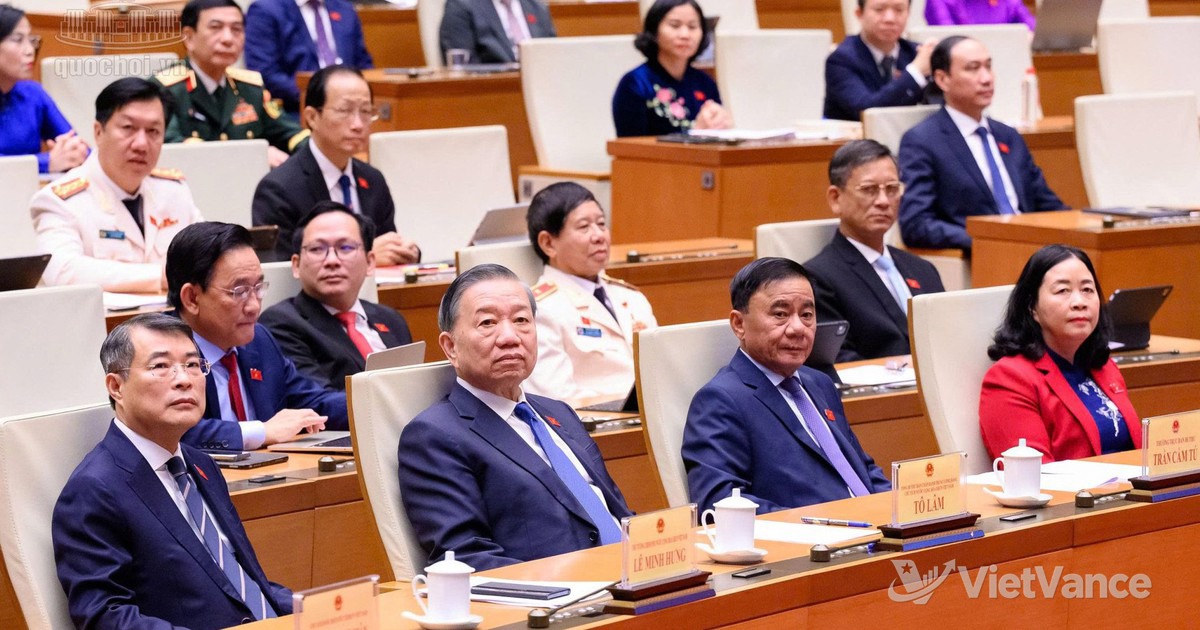
Vietnam’s National Assembly passed a revised Bidding Law on November 21, tightening restrictions on bid rigging and conflicts of interest while giving some medical facilities and public institutions more autonomy over procurement. It also passed a State Budget Law that changes the allocation of local revenue and rules for public investment.

On November 21, 2026, Vietnam’s National Assembly passed the revised Bidding Law, with 487 of the 489 delegates present voting in favor. The law will take effect on March 1, 2027. A provision allowing commune-level health stations to buy medicines, medical supplies and equipment based on still-valid contractor selection results from other public medical facilities will take effect on July 1, 2027.

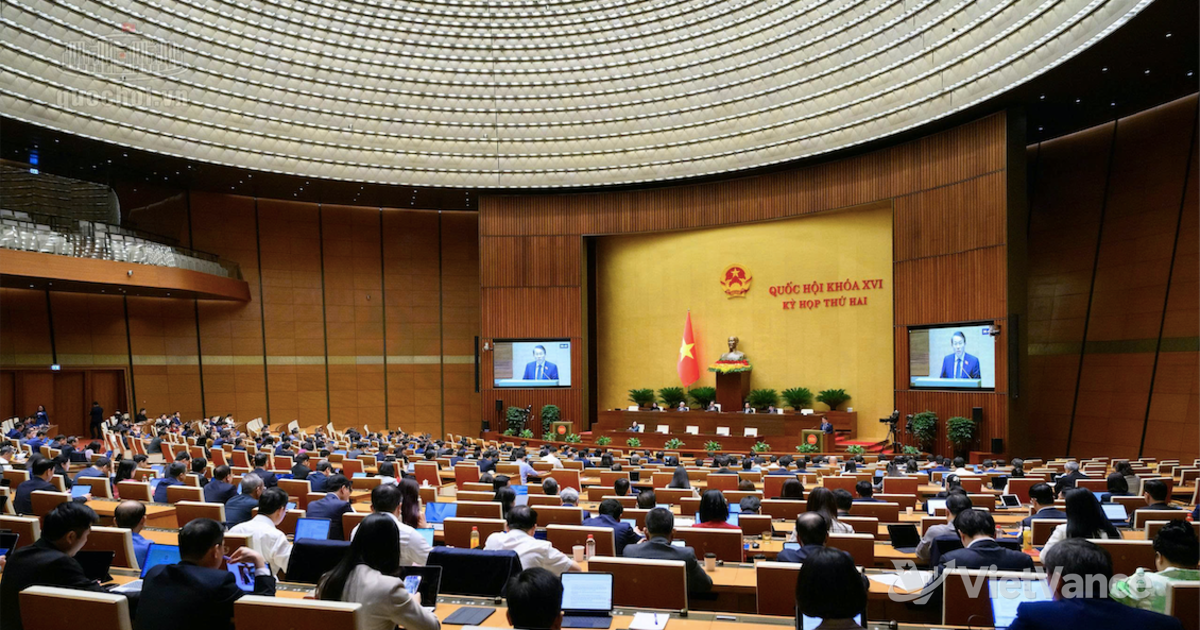
A session of Vietnam’s National Assembly.(VietVance)
The new law lists nine categories of prohibited conduct in bidding, including collusion to arrange bids or withdraw bid documents, deliberately withholding proof of qualifications to let another bidder win, and inflating procurement package prices and budgets during preparation. It also bars the same party from both preparing and reviewing bidding documents, or both evaluating bids and reviewing the selection results, and restricts relevant consulting contractors from bidding for packages they worked on.
The law also prohibits improperly specifying product brands or origins, splitting projects to enable direct contractor selection, and assigning all work in a procurement package to subcontractors. When violations are found, the competent authority may suspend bidding, refuse to recognize the selection result or cancel the tender, and require the violator to cover costs. Violators may also have their accounts on the National E-Procurement System suspended and be barred from bidding for six months to five years.
To expand autonomy, state-owned enterprises may make their own procurement and bidding decisions for purchases made without state budget funds. Eligible public service units and public educational institutions may do the same for certain purchases, provided they ensure openness, transparency and efficiency. Medical facilities may decide for themselves how to purchase medicines and medical equipment for retail sale at hospital pharmacies, as well as vaccines for fee-based vaccination services. The new law also provides a legal basis for tenders combining the purchase of reagents and testing supplies with the transfer of rights to use medical equipment.
The State Budget Law passed by the National Assembly on the same day brings state budget management and public investment management rules into a single law and changes the allocation of local revenue. Localities that balance their own budgets may retain 80% of revenue from land-use fees and land rent, while those receiving balancing transfers from the central government may retain 85%. The law also streamlines investment policy approval procedures for some public investment projects and sets maximum periods for allocating funds to different categories of projects.
Source: VietVance