Ho Chi Minh City targets 14% industrial and construction growth in fourth quarter
Ho Chi Minh City targets 13.23% GRDP growth in the fourth quarter of 2026, with industry and construction combined expected to grow 14%. Industrial production rose in the first 10 months, but growth was uneven across sectors. Construction growth will depend on whether public investment funds translate into actual building work.

Ho Chi Minh City's growth plan for the fourth quarter of 2026 targets a 13.23% increase in gross regional domestic product, including 14% combined growth in industry and construction. The city has set separate growth targets of 14.14% for value added in processing and manufacturing and 17.11% for construction.
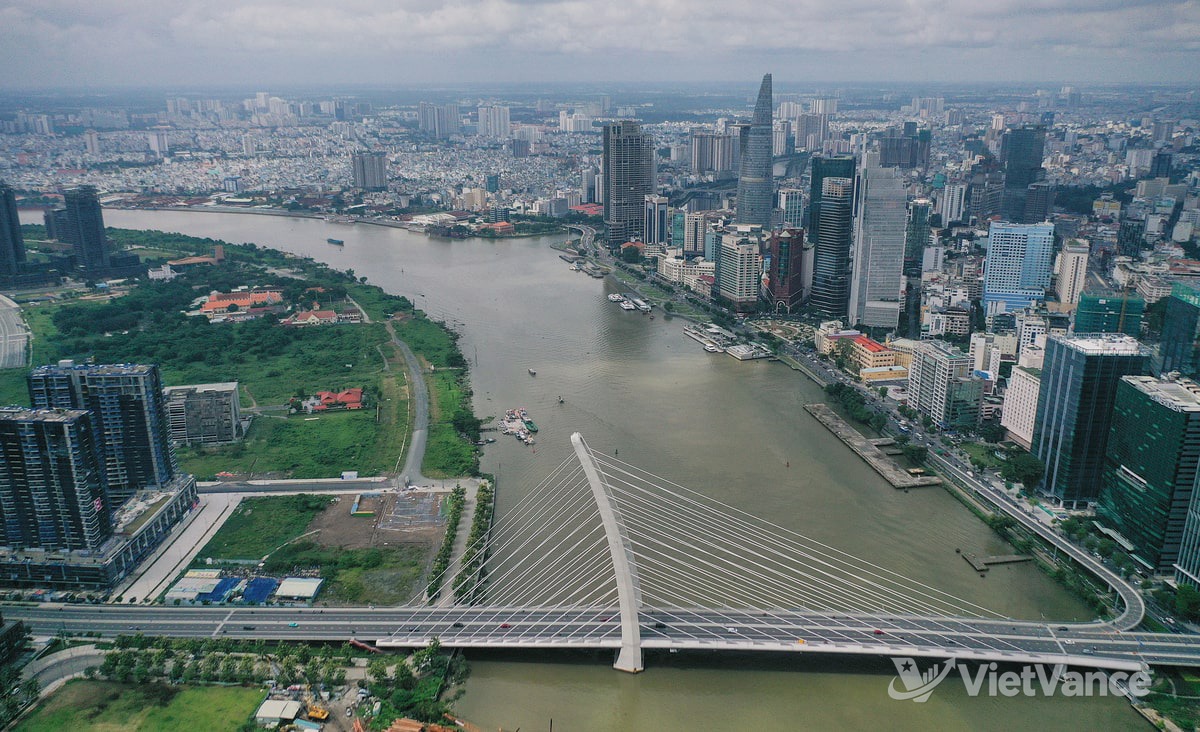
Ba Son Bridge in Ho Chi Minh City. The image illustrates the city's fourth-quarter growth target for industry and construction.(VietVance)
Data released by Ho Chi Minh City's statistics agency show that, in the first 10 months of 2026, the industrial production index rose 11% year on year across all industries, including an 11.4% increase in processing and manufacturing. In October, the two measures rose 13.8% and 14.7%, respectively. Over the first 10 months, mechanical engineering grew 14.7% and food processing 11.2%, while electronics manufacturing grew only 2.2%, garment manufacturing 3.4%, and motor vehicle manufacturing declined by about 0.2%. Growth was uneven across industries.
Over the same period, the consumption index for processing and manufacturing products rose 9.5%, below the sector's 11.4% increase in production. Analysts say meeting the year-end growth target requires attention to orders and inventories, as well as help for businesses facing difficulties with working capital, raw materials, labor and logistics. The industrial production index tracks changes in output, while growth in processing and manufacturing value added also depends on the value created during production.
The construction growth target is closely tied to project progress. Ho Chi Minh City's public investment allocation for 2026 totals VND 147.599 trillion, which the city aims to disburse in full this year. By the end of October, it had disbursed about VND 118.278 trillion, or 80.1% of the plan, leaving approximately VND 29.321 trillion to be disbursed in the final two months. Whether that funding generates construction growth also depends on site handovers, material supplies, construction and acceptance of completed work.
As of October 19, Ho Chi Minh City had issued more than 35,300 permits for new residential construction and major home repairs, covering about 7.4 million square meters of floor area. However, a permit does not mean the work began in the fourth quarter. Actual progress on real estate and private investment projects will also affect whether the construction target is met.
Source: VietVance