Long Thanh Airport’s second runway set for calibration flights in early December
Airports Corporation of Vietnam plans to conduct calibration flights on Long Thanh International Airport’s second runway in early December 2026. The airport is scheduled to begin phased operations on December 24, with 20 to 30 flights a day expected initially.

Airports Corporation of Vietnam (ACV) said calibration flights on the second runway at Long Thanh International Airport are planned for early December 2026. After the flights, ACV will complete the relevant procedures and publish information through the aeronautical information notice system to support the runway’s entry into service. Designated Runway 3, it is 4 km long and 75 m wide.
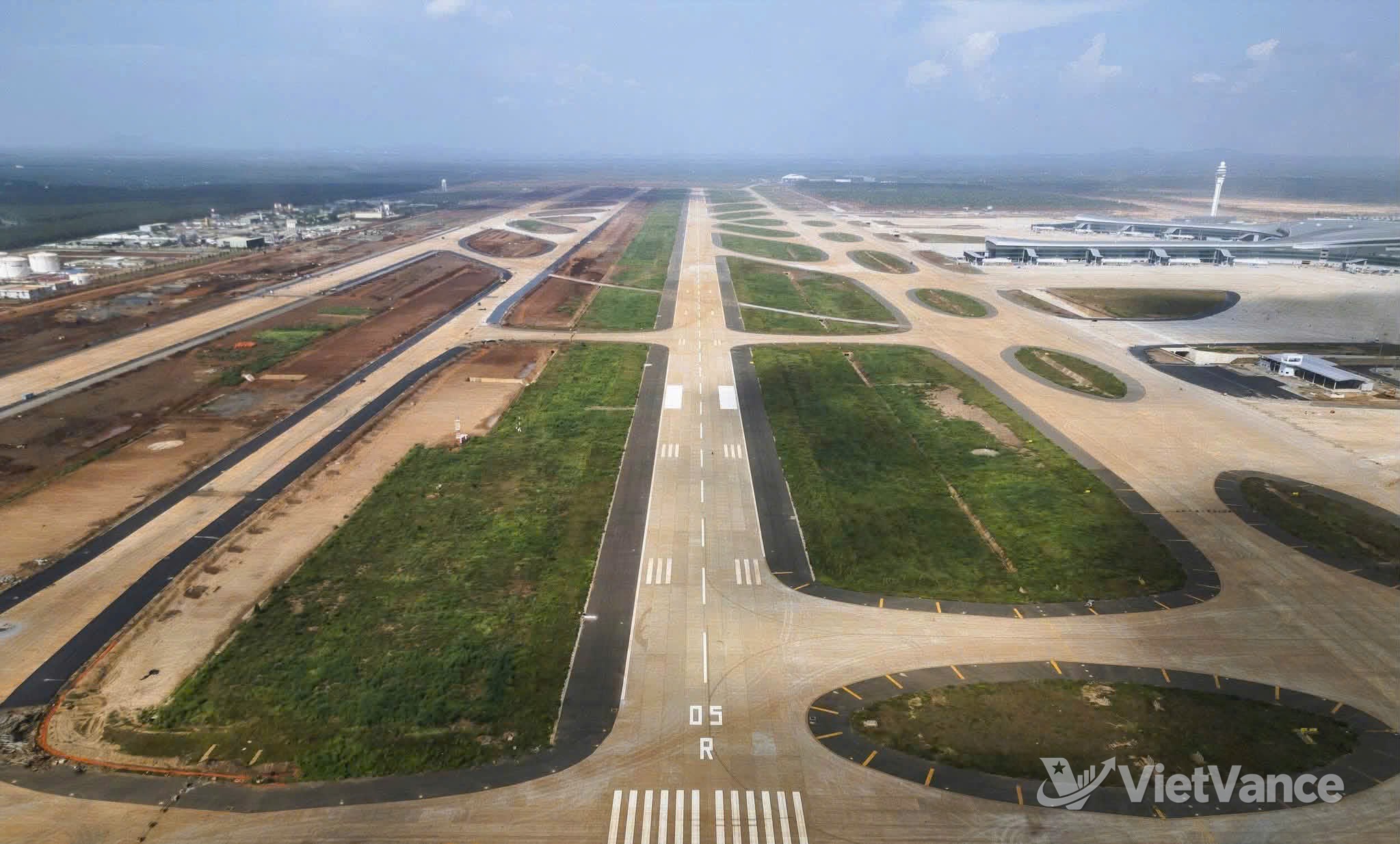
Runway at Long Thanh International Airport.(VietVance)
ACV said both runways and some airfield facilities are ready for use. The first runway and some facilities supported the first commercial flight to land at Long Thanh Airport on December 19, 2025. Information about that runway has also been published through the aeronautical information notice system. Construction of the second runway began in May 2025.
Long Thanh Airport is scheduled to begin operations in three stages from midnight on December 24, 2026. The first stage will run through the end of March 2027, with operations expected to reach about 6% to 10% of design capacity, equivalent to 20 to 30 flights a day. Because the initial stage coincides with the 2027 Lunar New Year travel peak, plans to add flights are being assessed to meet travel demand and ease operational pressure on Tan Son Nhat Airport.
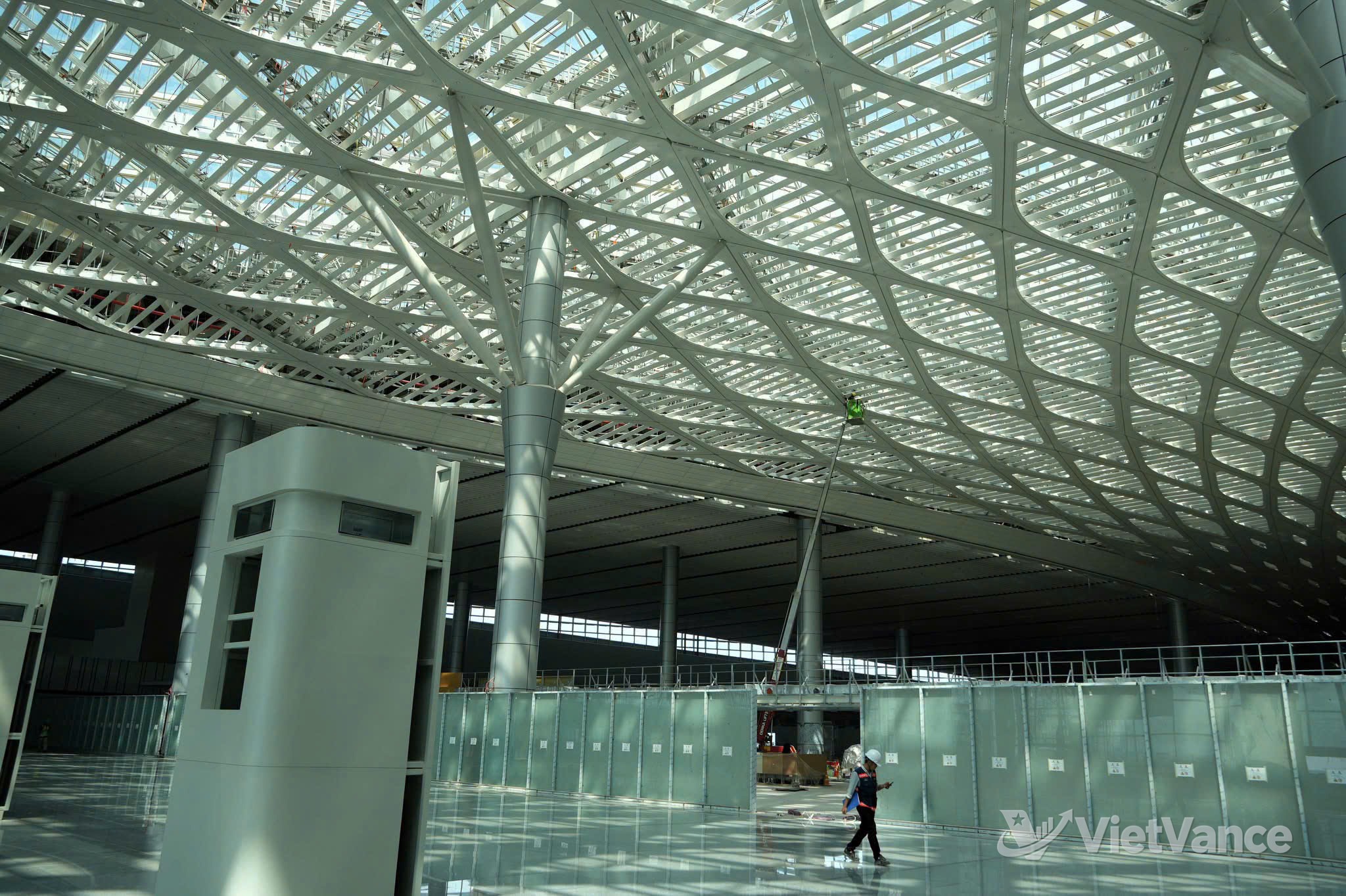
Passenger terminal at Long Thanh International Airport.(VietVance)
Work is being completed on connecting roads, parking facilities and an electronic toll collection system for the initial stage of operations. The terminal’s west wing, central area and part of its north wing are planned to enter service. The Ministry of Construction has asked ACV to expedite the first-phase operating plan, advance acceptance procedures, licensing and preparations to meet operating requirements, and implement safety requirements in light of trial-operation assessment results.
Source: VietVance