PNJ Says It Can No Longer Buy Back Jewelry for Cash Under T+120 Policy
PNJ’s general director says the company can no longer pay in full for product buybacks in cash under its T+120 policy. PNJ is reviewing its buyback commitments and developing alternatives while addressing inventory, cutting costs and restructuring management. Its approved private share placement also faces funding challenges.

Phan Quốc Công, general director of Phu Nhuan Jewelry Joint Stock Company (PNJ), said in information published by the company on November 20, 2026, that financial pressure means PNJ can no longer pay in full for customer product buybacks in cash under its T+120 policy as it did before. The company is considering a plan to use existing products to meet some customers’ needs, but the eligibility conditions, implementation details and timetable have yet to be determined.
Công estimates that PNJ currently holds about VND 17 trillion in inventory, including about VND 7 trillion in slow-moving diamonds and diamond jewelry. Some merchandise in circulation has been pledged as collateral for loans, so the size of the inventory does not directly translate into available cash. Sales revenue remains insufficient to cover operating costs, and the company is still losing money each month. Its immediate priority is to narrow those losses.
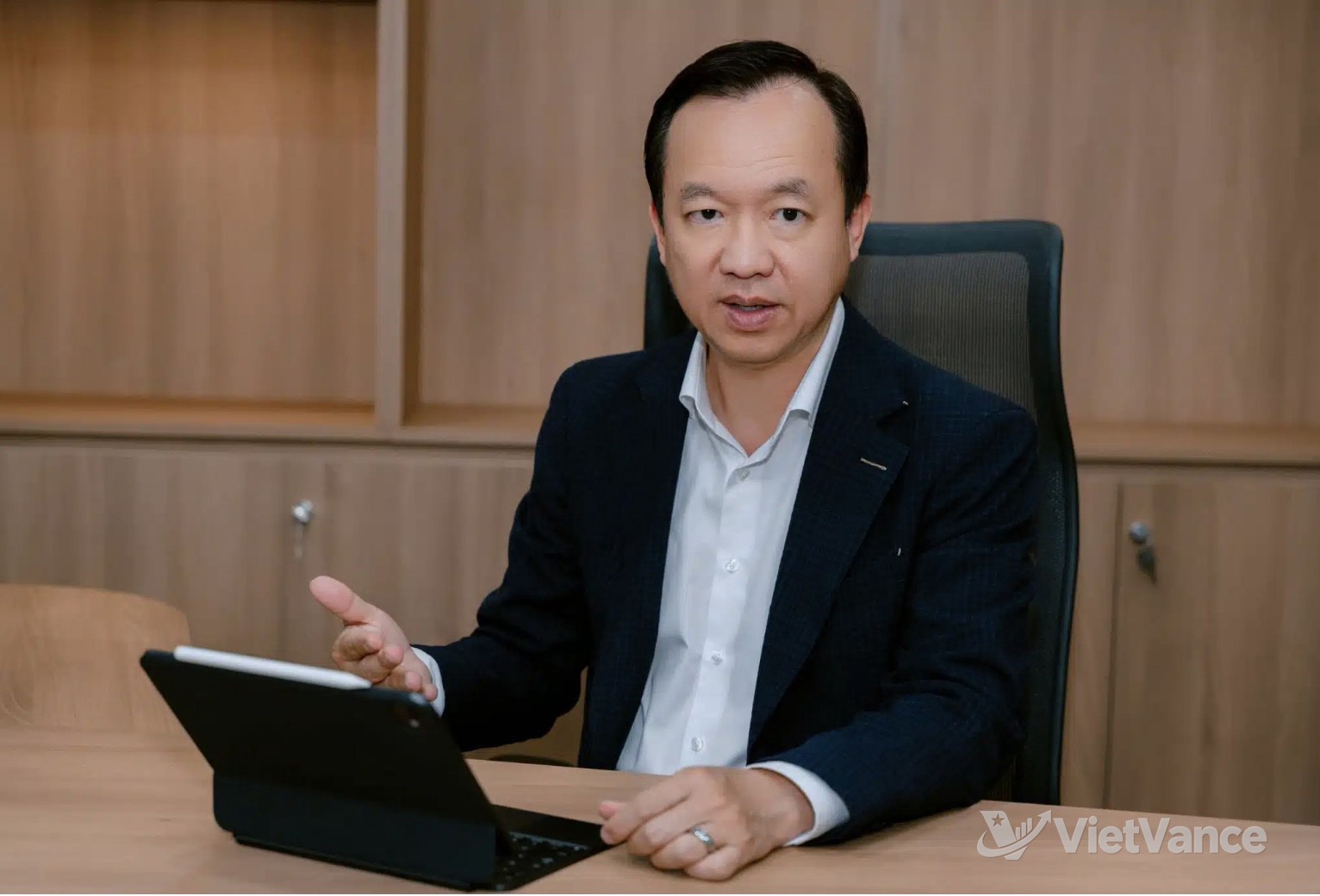
Portrait of PNJ’s general director. Photo courtesy of PNJ.(VietVance)
A review found that PNJ has sold about VND 21 trillion worth of goods covered by trade-in or buyback calculations; the figure could rise as data reconciliation is completed. Công stressed that this is not an amount the company must pay all at once. PNJ still needs to establish its specific obligations, the value of goods it can recover and potential losses before determining the funds required to address them.
PNJ is also restructuring its headquarters, reducing management layers and clarifying responsibilities. The company hopes to cut personnel costs by about 30%, though the actual savings remain to be assessed because it is still incurring costs to support departing employees. In the next phase, PNJ plans to replace more than half of its management team. Over the next three months, it plans to cut costs, launch new products and restore sales. Improvement after the first quarter of 2027 will still depend on consumer demand and the company’s ability to raise funds.
At its October 2026 shareholders’ meeting, PNJ approved a private placement of up to 550 million shares. Công said that before attracting new capital, the company needs to reassess its inventory, clarify outstanding obligations and demonstrate that operations are improving. If all the funds raised must go toward meeting diamond buyback obligations, persuading investors to participate will be difficult.
Source: VietVance