Vietnam Adds Two Paid Holidays, Bringing Annual Total to 13 in 2027
Vietnam’s National Assembly passed amendments to the Labor Code and other laws on November 21, adding paid holidays on July 27 and November 24. The November 24 holiday took effect in 2026; the July 27 holiday begins in 2027. The amendments also clarify wage and insurance obligations for labor leasing companies and the employers that use their workers.

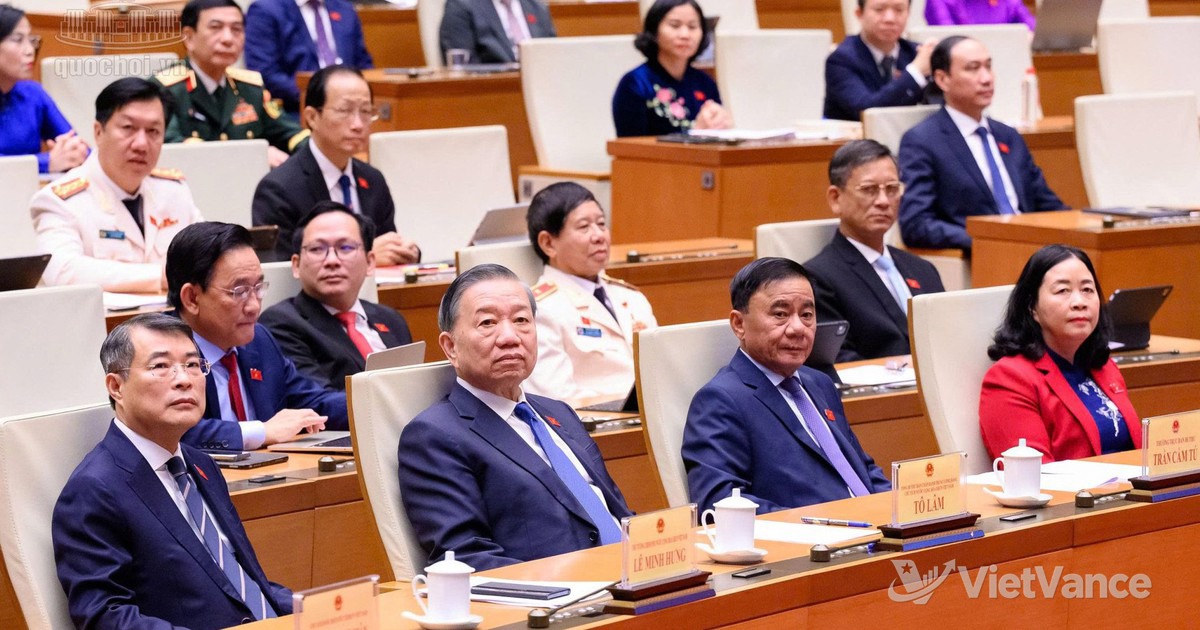
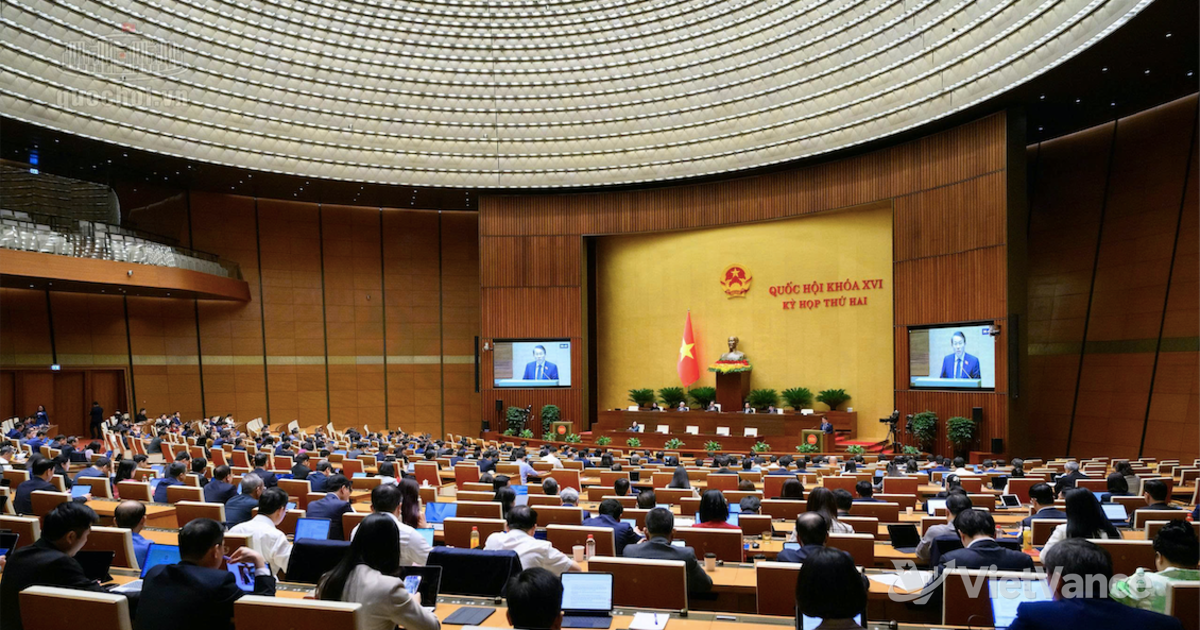
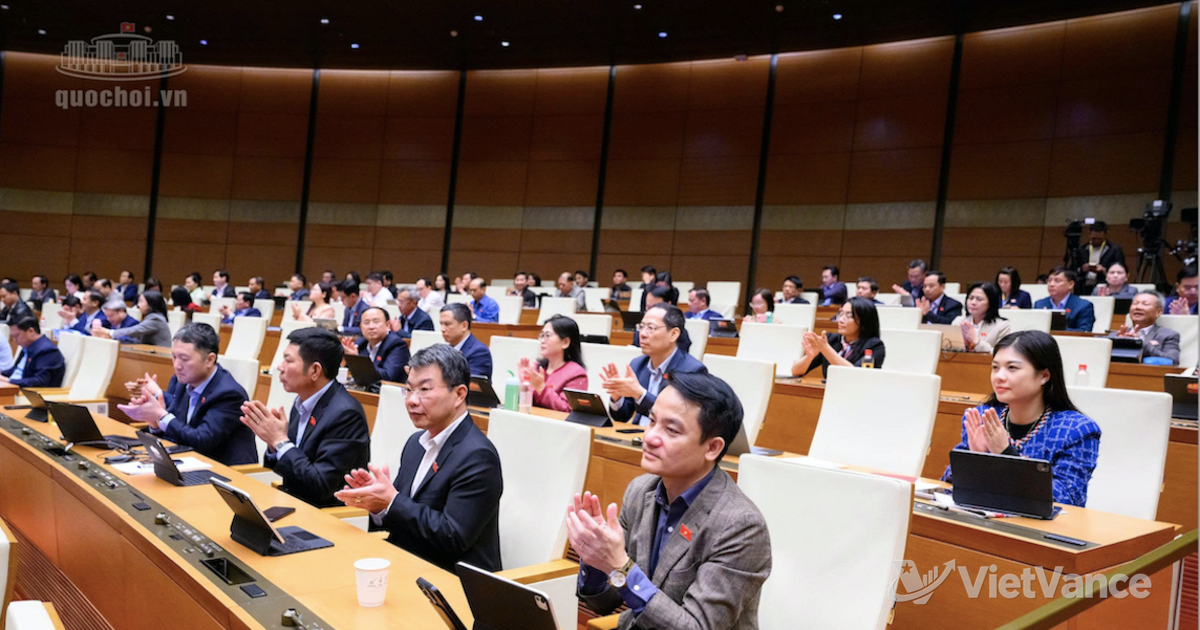
Vietnam’s National Assembly passed amendments to the Labor Code and other laws on the morning of November 21, making July 27, National Day of Gratitude and War Invalids and Martyrs Day, and November 24, Vietnamese Culture Day, paid holidays. Workers’ annual total of paid public holidays will rise to 13 days. The November 24 holiday has applied since 2026 under National Assembly Resolution No. 28/2026; the July 27 holiday will begin in 2027, when the amendments take effect on March 1, 2027.
The 13 days of paid public holidays each year will comprise five days for Lunar New Year, two for National Day, and one day each for New Year’s Day, the Hung Kings’ Commemoration Day, Victory Day on April 30, International Workers’ Day on May 1, National Day of Gratitude on July 27 and Vietnamese Culture Day on November 24. Vietnam’s government previously proposed adding the July 27 holiday during the 2019 revision of the Labor Code, but the National Assembly did not approve it at the time.
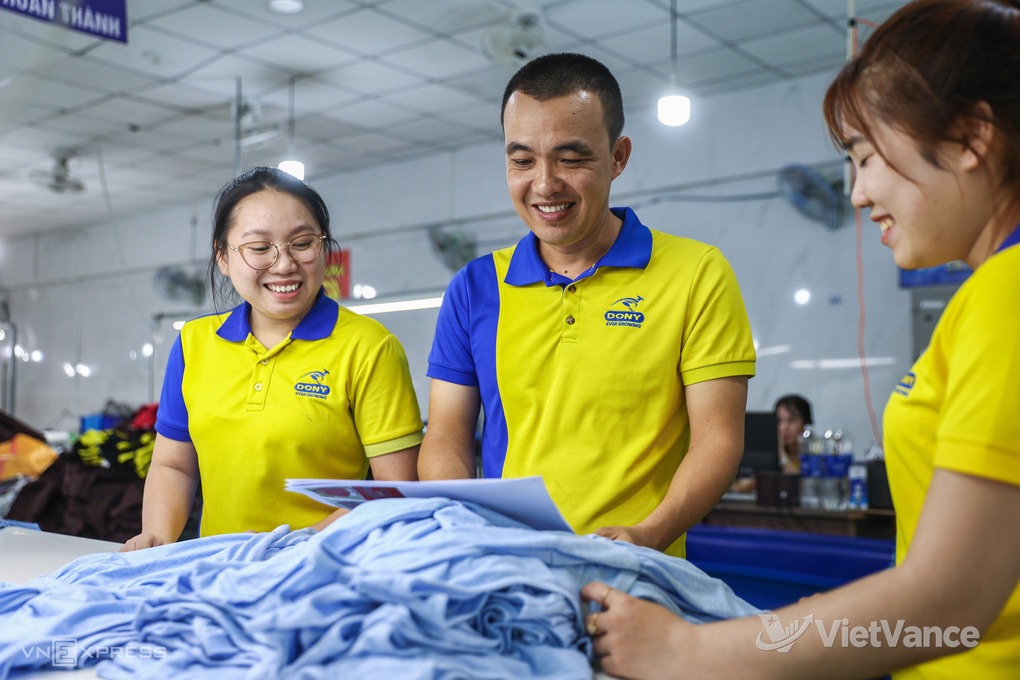
Workers at a garment company in Ho Chi Minh City in August 2025.(VietVance)
The amendments also clarify the responsibilities of labor leasing companies and the employers that use leased workers to protect workers’ wage and insurance entitlements. Labor leasing companies must inform the employers each month of how they have fulfilled their obligations under their labor contracts. If a leasing company breaches its obligations, the employer may demand that it pay workers their wages in full; if the employer discovers violations concerning wages, social insurance, health insurance, unemployment insurance or other benefits, it must promptly report them to the provincial labor authority.
Labor leasing will move from a licensing system to one requiring a security deposit and notification of operations. Companies may lease workers only for jobs on a list prescribed by the government. The amendments also require Vietnam’s Minister of Home Affairs to announce the following year’s public holiday schedule before September 30 each year, based on the prime minister’s decision.
Source: VietVance