Vietnam Calls for AI Skills Training for the Entire Population
On November 12, Vietnam’s National Assembly questioned officials on science and technology. National Assembly Chairman Trần Thanh Mẫn called for AI skills training for the entire population, stronger data sharing and less duplication among digital platforms. He also proposed completing technical requirements and assessment capabilities for high-risk AI systems in 2027.

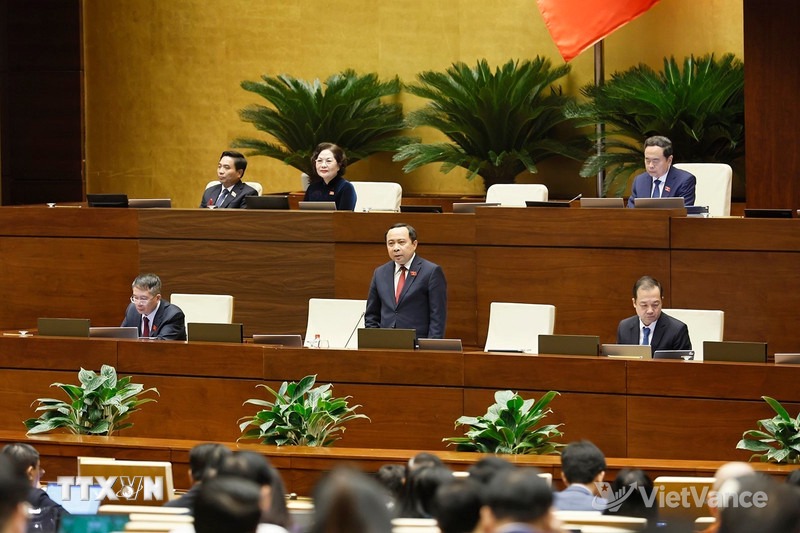
On the afternoon of November 12, Vietnam’s 16th National Assembly continued its second session with questions on science and technology. At the end of the session, National Assembly Chairman Trần Thanh Mẫn called on the government and the Minister of Science and Technology to implement the measures already proposed, focusing on AI skills training for the entire population, helping businesses use AI safely and effectively, and developing Vietnam’s talent, data, computing capacity and research capabilities in the field.
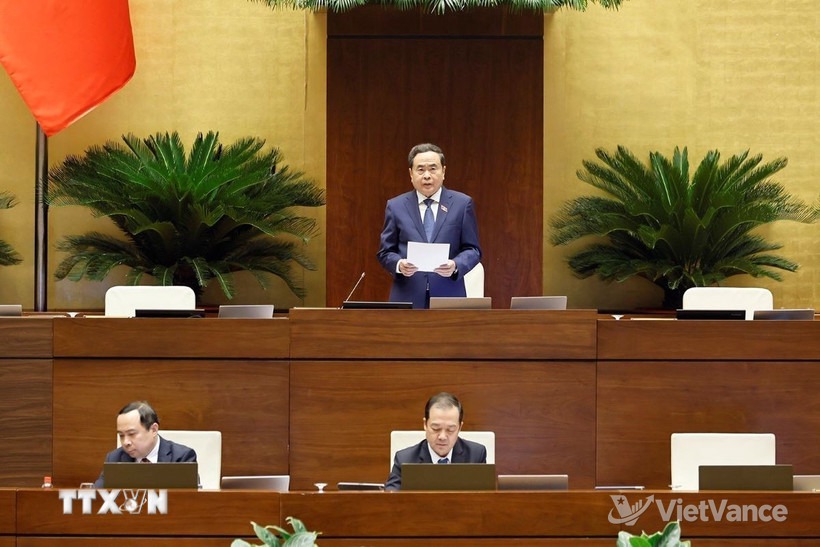
National Assembly Chairman Trần Thanh Mẫn chairs a questioning session on science and technology.(VietVance)
Trần Thanh Mẫn said the allocation and disbursement of funding for science and technology remained slow. He also cited shortcomings in core technology research and cooperation among research institutions, universities and businesses. Digital transformation in some localities lacked coordination, while the development of shared digital platforms was fragmented and duplicative. He called for removing barriers to data connectivity, sharing and reuse, and for further improving mechanisms for AI risk assessment and data security.
Under the timetable set out by Trần Thanh Mẫn, agencies responsible for shared digital platforms should publish the platforms’ scope of operations, functions and delivery schedules by December 31, 2026. Ministries, sectors and localities should complete their digital architecture frameworks by January 29, 2027. Vietnam also plans to complete technical requirements, standards and assessment capabilities for high-risk AI systems in 2027.
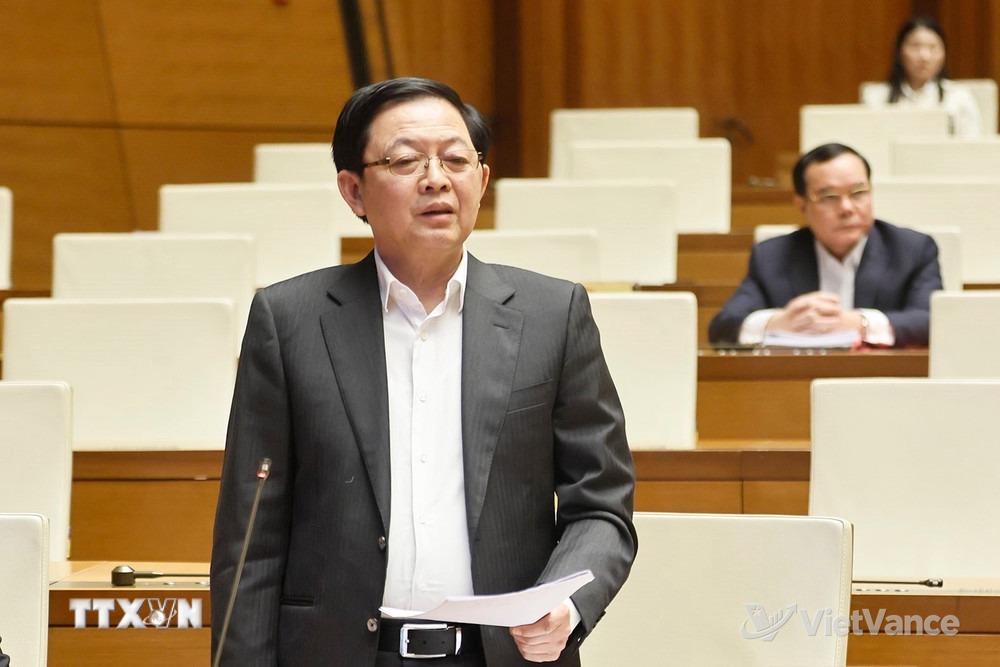
Deputy Prime Minister Hồ Quốc Dũng answers questions and provides explanations during the session on science and technology.(VietVance)
Responding to questions, Deputy Prime Minister Hồ Quốc Dũng said the government had advanced science, technology, innovation and digital transformation through work on institutions, resources, human resources and the implementation of research tasks. He said the government had identified 20 major challenges and 30 product targets, approved about 19 strategic technology tasks, and linked research to the commercialization of its results. On AI, the government wants to develop technology that Vietnam can master while addressing security and data sovereignty risks.
Source: VietVance