Vietnam Classifies Some AI-Executed Transactions as High Risk
New rules from the State Bank of Vietnam classify AI-executed transactions for individual customers as high risk when they exceed VND 10 million per transaction or VND 20 million in a day. Banks must observe daily limits, obtain customers’ prior authorization, provide ways to suspend or revoke it, and remain responsible for AI decisions.

Circular No. 53/2026 of the State Bank of Vietnam on the safety, risk management and deployment conditions of artificial intelligence (AI) systems in the banking sector has taken effect. Under the rules, AI-executed transactions for individual customers are classified as high risk if they exceed VND 10 million per transaction or VND 20 million in total in a day. The corresponding thresholds for organizational customers are more than VND 50 million per transaction or more than VND 100 million in total in a day. AI-made lending decisions of VND 50 million or more are also classified as high risk.

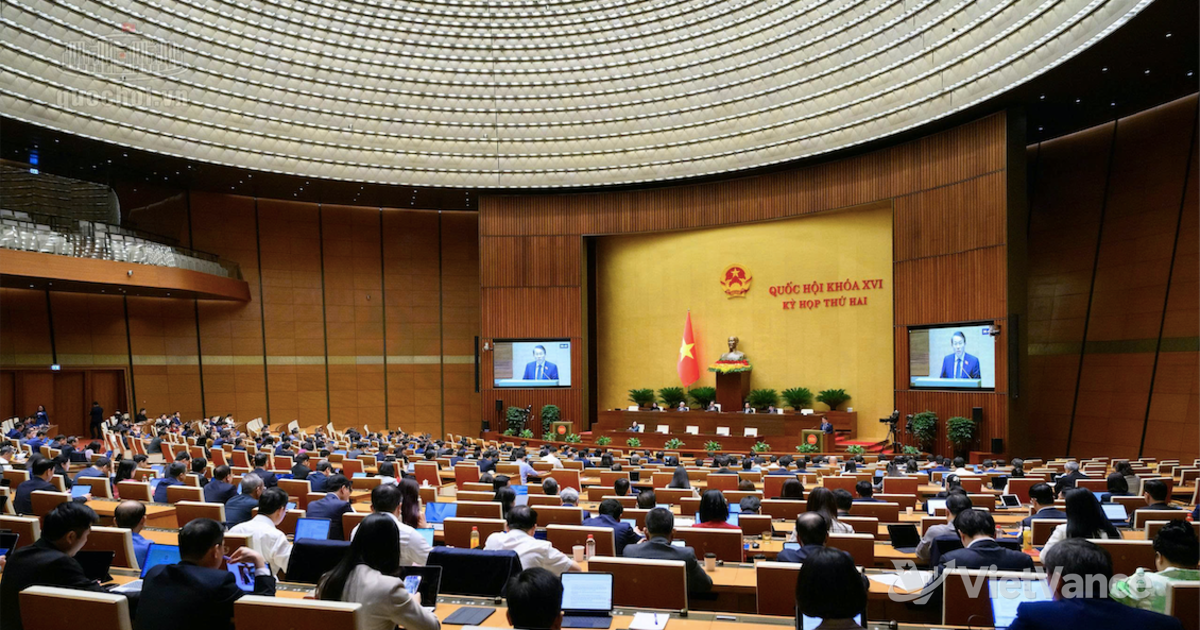
AI-executed transactions for individual customers are classified as high risk when they reach the specified value thresholds.(VietVance)
These amounts are used to classify the risk levels of AI systems so banks can apply corresponding oversight. The total value of transactions AI executes for a single customer must not exceed the institution’s internal limit, with daily maximums of VND 100 million for individual customers and VND 500 million for organizational customers.
Before enabling AI to make payments automatically, banks must sign an agreement with the customer specifying the permitted transactions, per-transaction and daily limits, validity period, and conditions for suspension. Banks must verify that the signatory is the account holder or a legally authorized person. For electronic agreements, they must use biometric verification together with at least one other prescribed authentication method. Customers may terminate the agreement at any time, and banks must act immediately and provide a way for customers to suspend or revoke AI payment authorization themselves.
The rules also require banks to establish mechanisms for human oversight and intervention. If a customer disputes an automated decision, a person must review it, and the review outcome serves as the final basis for resolving the matter. Banks may not cite an AI system’s technical characteristics, autonomy or results supplied by a third party to refuse, avoid or reduce their responsibilities, except where an exemption is provided by law. AI systems that began official operation before November 15, 2026, must meet the new requirements before March 1, 2027.
Source: VietVance