Vietnam Clarifies Beneficial Ownership Disclosure and Tax Responsibilities for Businesses
Vietnamese businesses must identify and disclose the people who ultimately own or control them; shareholding percentage is not the only criterion. Beneficial owners of businesses with qualifying overdue tax debts may face a temporary exit ban. Authorities in Hanoi and other localities are urging businesses to complete their disclosures.

Under Decree No. 168/2025, as amended by Decree No. 296/2026, individuals who directly or indirectly own at least 25% of a business’s charter capital or voting shares are considered beneficial owners. Individuals related by family ties or bound by a joint ownership agreement must also be disclosed if their combined holdings reach that threshold, even if each holds less than 25%.
Individuals holding less than 25% may also be considered beneficial owners if they actually control major decisions, including the appointment or dismissal of key managers or amendments to the company charter. All general partners in a partnership are beneficial owners. If no individual can be identified under the relevant criteria, the business must disclose its most senior manager.
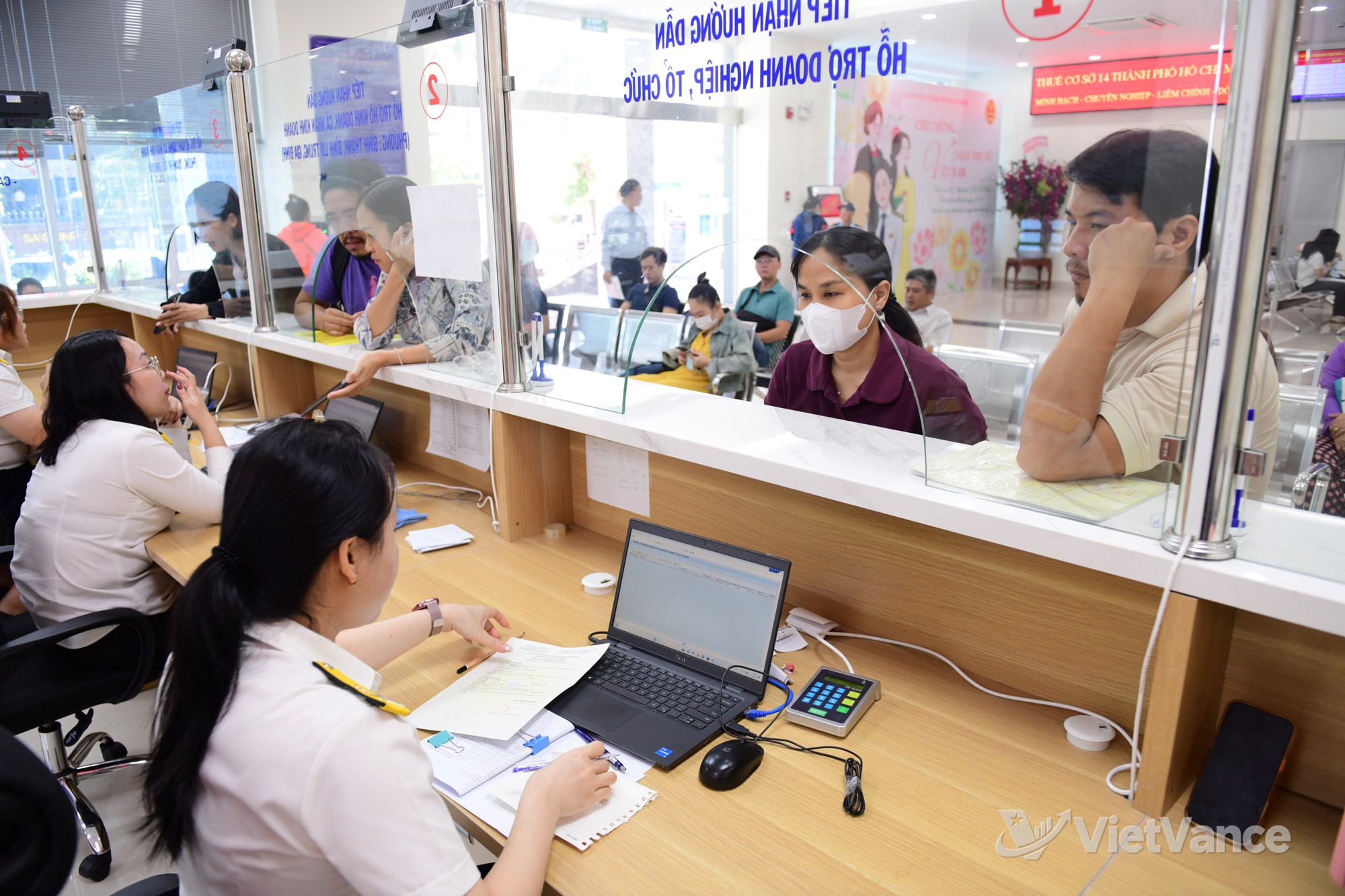
File photo of a business completing tax procedures.(VietVance)
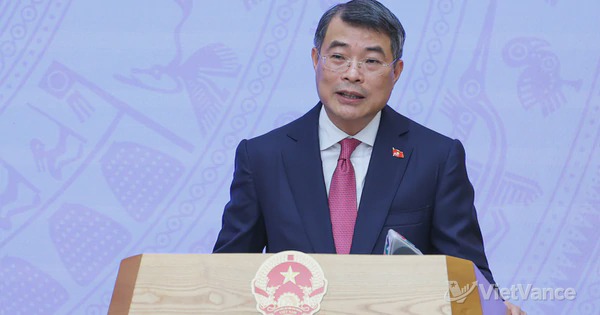
Trần Văn Quân said the disclosure rules help identify who actually controls a business, improve tax administration and prevent money laundering. He noted that some people running businesses have put others’ names on record as directors or legal representatives, making it harder to investigate tax, invoice and cash flow issues.
Under Decree No. 252/2026, a beneficial owner or legal representative may face a temporary exit ban if the business is subject to enforcement of a tax administration decision and owes at least 500 million Vietnamese dong in taxes that are at least 120 days overdue. Trần Văn Quân also said beneficial ownership information helps identify actual control relationships between businesses and prevent repeated use of tax incentives.
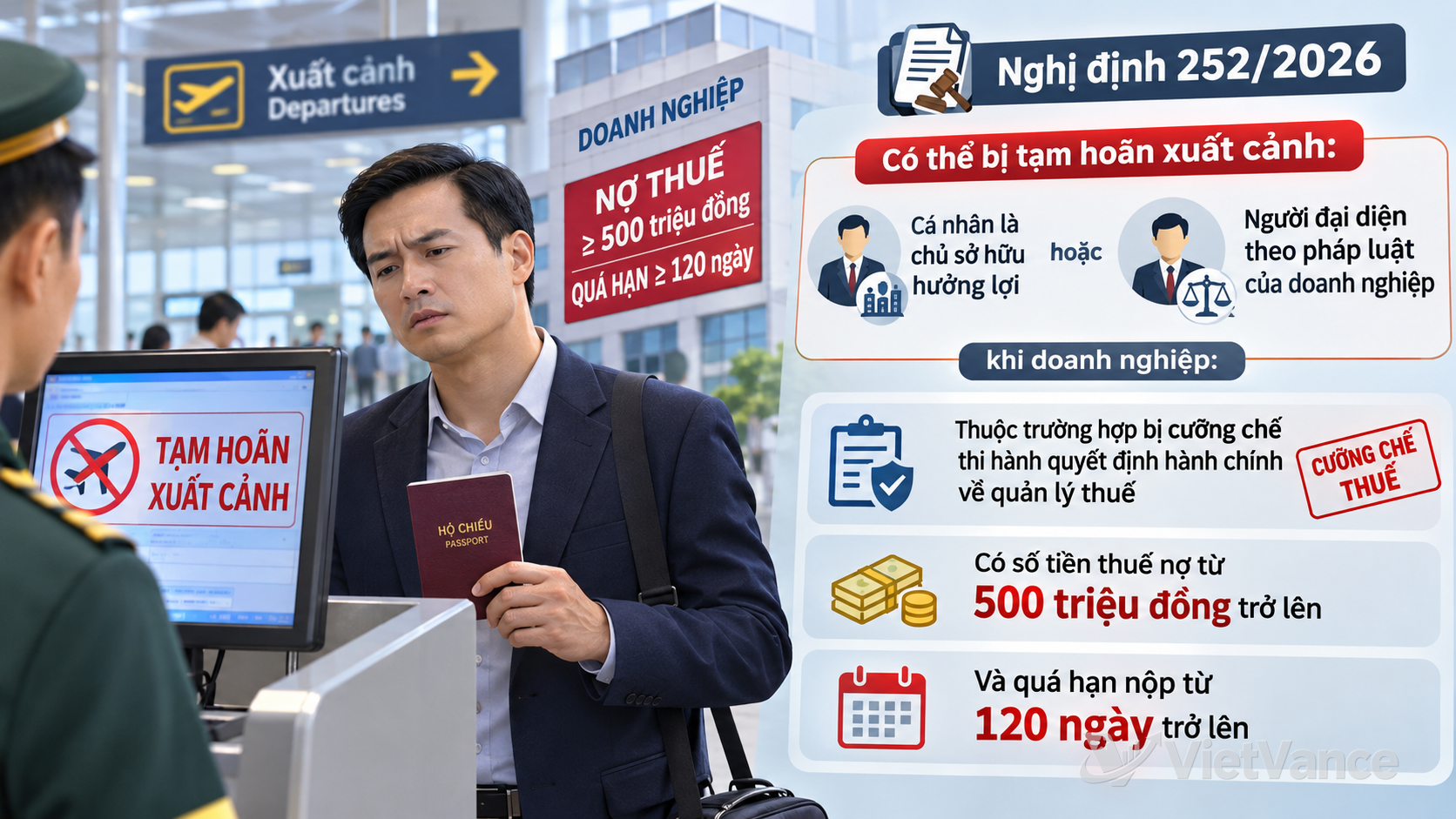
AI-generated illustration of a beneficial owner who may face a temporary exit ban.(VietVance)
Following an October 16 notice from the Ministry of Finance, finance departments in several localities urged businesses to provide missing information. Hanoi requires businesses established or registered for changes from July 1, 2025, that have yet to disclose their beneficial owners to do so by December 31, 2026. Quảng Ninh has sent letters to 799 businesses identified by the ministry as having made no disclosure. Hưng Yên requires businesses to review each level of their ownership structures and take responsibility for the completeness, truthfulness and accuracy of their disclosures.
Source: VietVance