Vietnam Proposes Letting Businesses Set Fuel Prices; Retailers Fear Low Discounts
The Vietnamese Ministry of Industry and Trade’s 15th draft proposal would let fuel suppliers and distributors adjust retail prices under government supervision. Retailers worry that the draft does not clarify wholesale price disclosure or how costs and profits are shared across the supply chain, leaving them exposed when discounts are low.

The Vietnamese Ministry of Industry and Trade’s 15th draft proposal, intended for submission to the government, would allow fuel suppliers and distributors to adjust retail prices independently in accordance with regulations. Price changes would still have to follow the state-prescribed pricing formula. Businesses would have to announce new prices to their distribution networks at least 30 minutes before they take effect, declare prices after making adjustments, and connect their data systems to the relevant state authorities. The draft would replace the current price stabilization fund mechanism with other price stabilization measures.
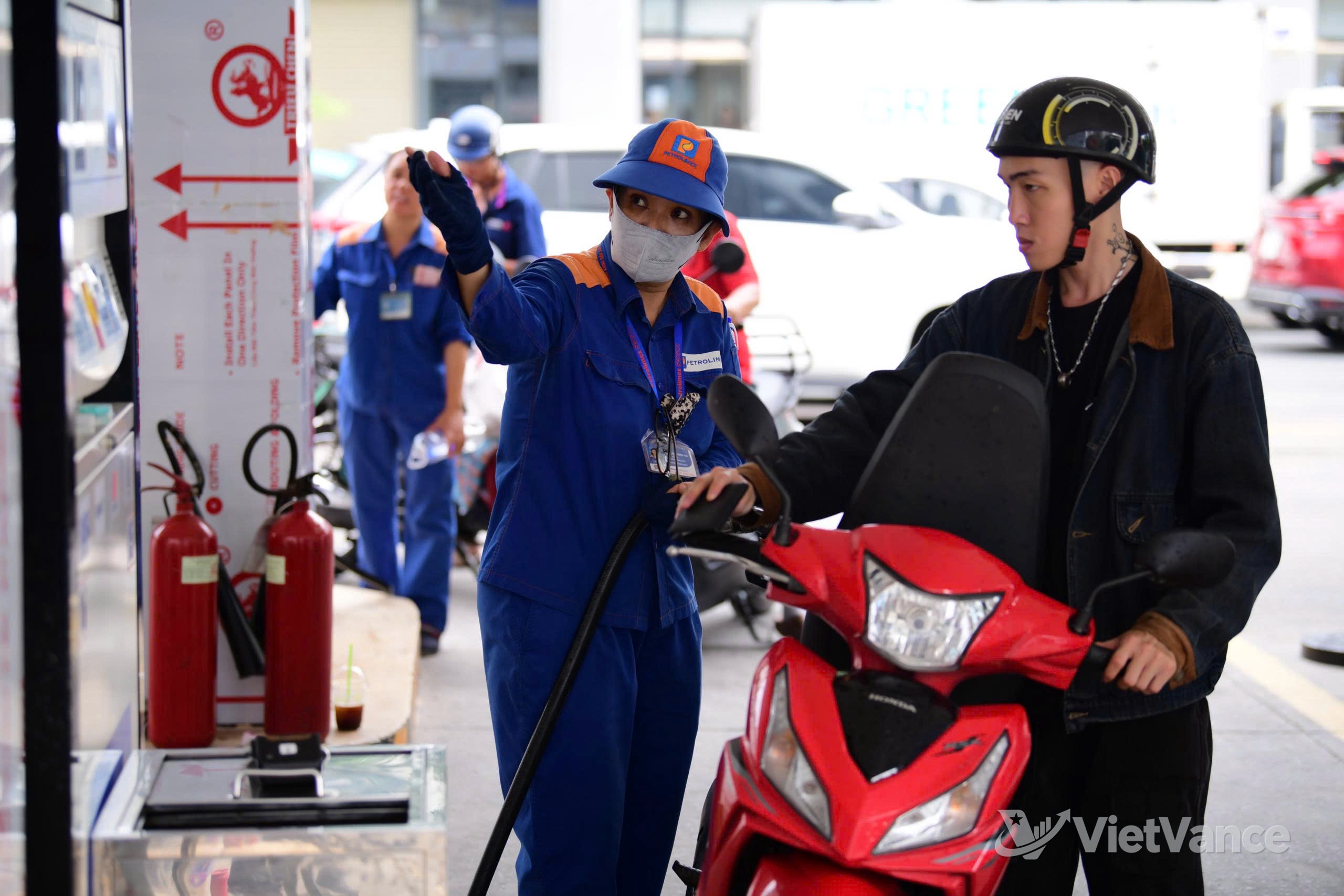
The draft would allow fuel suppliers to set retail prices independently.(VietVance)
The draft requires businesses to publish selling prices on their websites and through public channels registered with the relevant authorities. The Ministry of Industry and Trade and provincial governments would monitor price declarations, pricing and market division. Authorities could investigate and take action if two or more businesses with a combined market share of at least 30% in the same market or area are suspected of collusion or restricting competition, or if a business with a dominant market position imposes unreasonable prices. They could also demand explanations from and inspect businesses suspected of unjustified price increases.
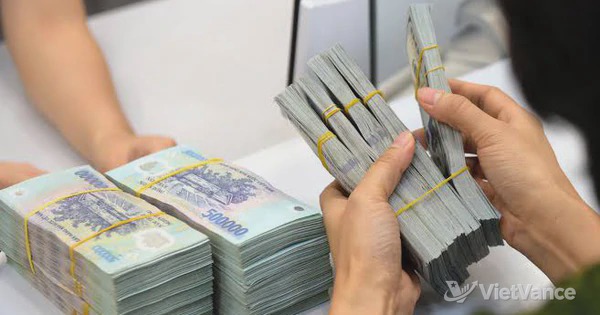
Công ty TNHH Hải Âu Phát, which operates in fuel station retailing, supports the move toward independent pricing and the abolition of the price stabilization fund. It says, however, that the draft lacks a requirement to disclose wholesale prices and does not specify how costs and profits should be shared across the fuel supply chain. The company noted that prescribed operating costs across the RON95 gasoline supply chain are about 1,140 Vietnamese dong per liter, with a prescribed profit of 300 dong per liter. Yet discounts offered by suppliers to distributors and retailers sometimes fall to 0 dong per liter, leaving retailers unable to cover operating costs.
A retailer in Ho Chi Minh City said some suppliers had previously cut prices by 300 to 350 Vietnamese dong per liter, prompting other businesses to lower their prices to remain competitive. The retailer cited a batch of gasoline bought on November 19 with a discount of 700 dong per liter. The selling price then fell by 700 to more than 800 dong per liter, wiping out the profit on that batch. The retailer worries that, when prices fluctuate and discounts are low, losses on inventory will add to the pressure on stores.
Source: VietVance