Vietnam live hog prices rise on November 20; Ho Chi Minh City reaches 57,000 dong/kg
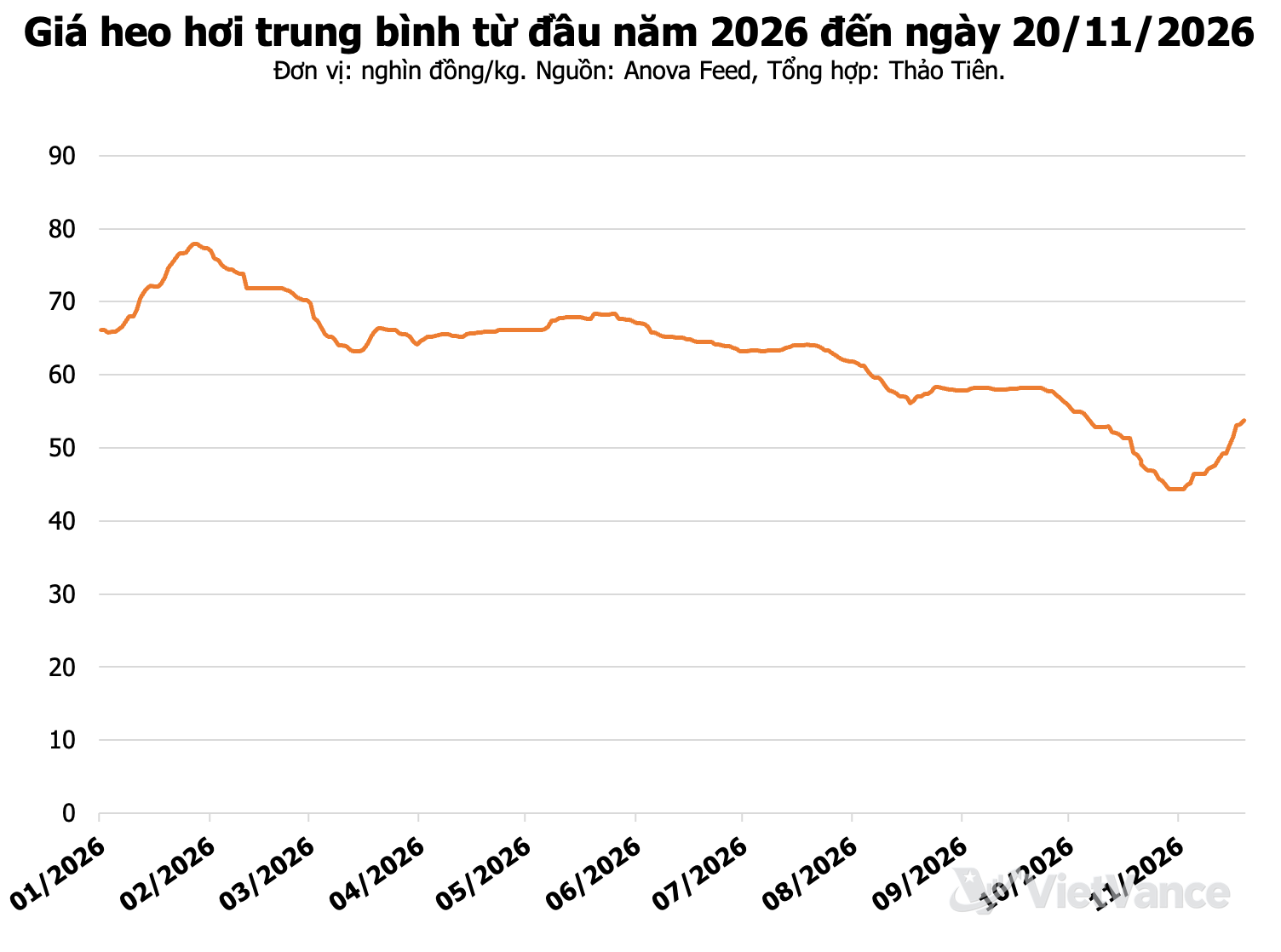
Vietnam’s live hog purchase prices ranged from 51,000 to 57,000 dong/kg on November 20, with Ho Chi Minh City recording the highest price. Prices were steady across most of the north but rose in several central, Central Highlands and southern localities. A commune in Tuyên Quang also restricted pig trading and transport following an African swine fever outbreak.

On November 20, live hog purchase prices in Vietnam ranged from 51,000 to 57,000 dong/kg. Prices rose in six southern localities by 1,000 to 2,000 dong/kg; Ho Chi Minh City reached 57,000 dong/kg, the highest nationwide among the localities listed. Purchase prices across the south ranged from 51,000 to 57,000 dong/kg.
Prices were unchanged in 14 of the north’s 15 localities. Only Phú Thọ rose, gaining 1,000 dong/kg to 55,000 dong/kg. Northern prices ranged from 53,000 to 56,000 dong/kg, with Hải Phòng and Lai Châu both at 56,000 dong/kg.
In the central region and Central Highlands, prices rose by 1,000 to 2,000 dong/kg in seven localities, bringing purchase prices to 51,000–56,000 dong/kg. Đắk Lắk and Lâm Đồng each rose by 1,000 dong/kg to 56,000 dong/kg; Khánh Hòa posted the largest increase, rising 2,000 dong/kg to 54,000 dong/kg.
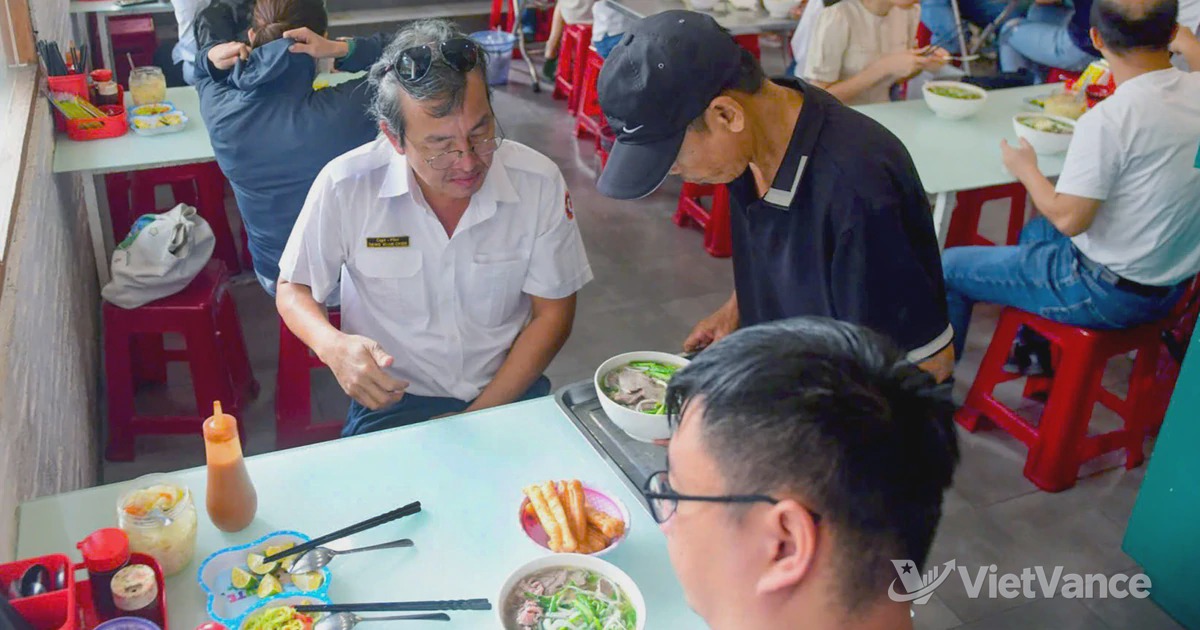
Illustrative image of Vietnam’s live hog market.(VietVance)
Separately, a decision issued on November 17 by the authorities of Bạch Ngọc Commune in Tuyên Quang reported an African swine fever outbreak after the virus was detected in Minh Tâm Village. Effective that day, the decision designated all villages in Bạch Ngọc Commune as an outbreak zone and neighboring communes as threatened areas.
During the outbreak, local authorities required a suspension of the buying, selling and transport of livestock susceptible to African swine fever within the outbreak zone, as well as the movement of pig products into or out of the zone. The outbreak site must be disinfected once a day during the first week and three times a week for the following two weeks. Authorities also called for closer livestock monitoring and inspections targeting violations involving the sale, transport and slaughter of sick pigs.
Source: VietVance