Wealthy Investors Worldwide Increase Alternative Asset Holdings
Market volatility and persistent inflation concerns are prompting wealthy investors worldwide to increase allocations to hedge funds, private equity and infrastructure. Alternative assets now account for 60% of single-family office portfolios, though liquidity and valuation risks remain.

Market volatility and persistent inflation concerns are prompting wealthy investors worldwide to increase their allocations to alternative assets such as hedge funds, private equity and infrastructure. A BNY Wealth report shows that alternative assets now account for 60% of single-family office portfolios, exceeding traditional assets for the first time.
Alternative investment assets in JPMorgan Asset Management’s Asia-Pacific private wealth management business grew 40% over the past 12 months. Citi’s 2026 survey of 351 family offices found that inflation was respondents’ biggest concern, followed by interest rates, financial system stability and market volatility. Hedge funds are drawing interest from eligible clients because they may offer returns that depend less on stock market movements.

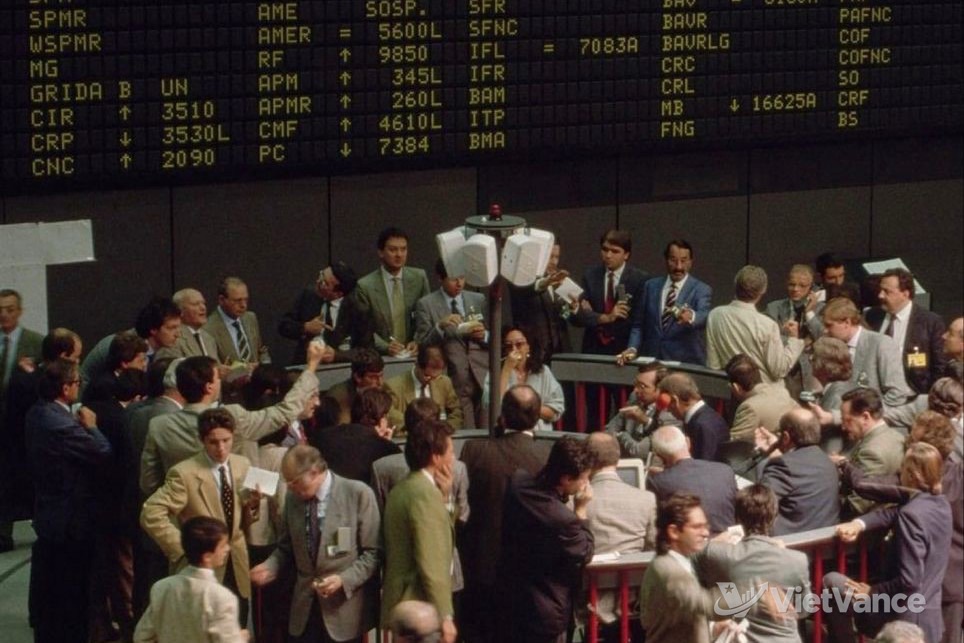
Illustration of alternative investments.(VietVance)
The growth of artificial intelligence is driving demand for data centers, power grids and digital connectivity, attracting investment in infrastructure. PitchBook data show that net inflows into open-ended infrastructure funds rose 30% year on year in the 12 months through the first quarter of 2026. Private equity remains an important part of wealthy investors’ alternative asset allocations, but some family offices are increasingly considering direct investments in companies, co-investments and purchases of stakes in existing funds.
Alternative assets also carry liquidity and valuation risks: unlisted assets can tie up capital for years, and valuation adjustments may lag behind market developments. Holding data center-related assets through different funds can still leave a portfolio exposed to the same AI investment cycle. Citi’s survey also found that listed stocks recorded the largest net increase in allocations, indicating that respondents continued to invest in traditional markets while increasing their alternative asset holdings.
Source: VietVance