Chinese EV Makers Eye Vietnam’s Passenger Transport Market as Drivers Worry About Charging and After-Sales Service
BYD and Geely are seeking partnerships with ride-hailing platforms and taxi companies in Vietnam to put electric vehicles into passenger service. Drivers and transport operators say charging networks, repair facilities and long-term vehicle performance need to be clarified before they invest or begin operations.

Chinese electric vehicle brands including BYD and Geely are seeking partnerships with ride-hailing platforms and taxi companies in Vietnam to put models such as the BYD Dolphin and Geely EX2 into passenger service. Discussions are still underway, and drivers interviewed said the information available so far is insufficient for them to decide whether to buy or take delivery of vehicles for operation.

Transport drivers interviewed said inadequate charging infrastructure and after-sales service make Chinese electric vehicles less appealing for passenger transport.(VietVance)
Nguyễn Văn Hưng, who has driven for ride-hailing services in Hanoi for six years, said drivers are most concerned about whether vehicles can withstand long hours of operation and whether warranty service and repairs will be timely. He said there is still limited data on how the models perform in actual service in Vietnam, leaving fellow drivers cautious about their batteries, chassis and repair times.
Charging infrastructure also affects which trips drivers can accept. Drivers interviewed worry that detours to find third-party chargers or returns to a depot for charging would cut into operating time. For trips between provinces or to remote areas, they also need to consider how to recharge for the return journey.
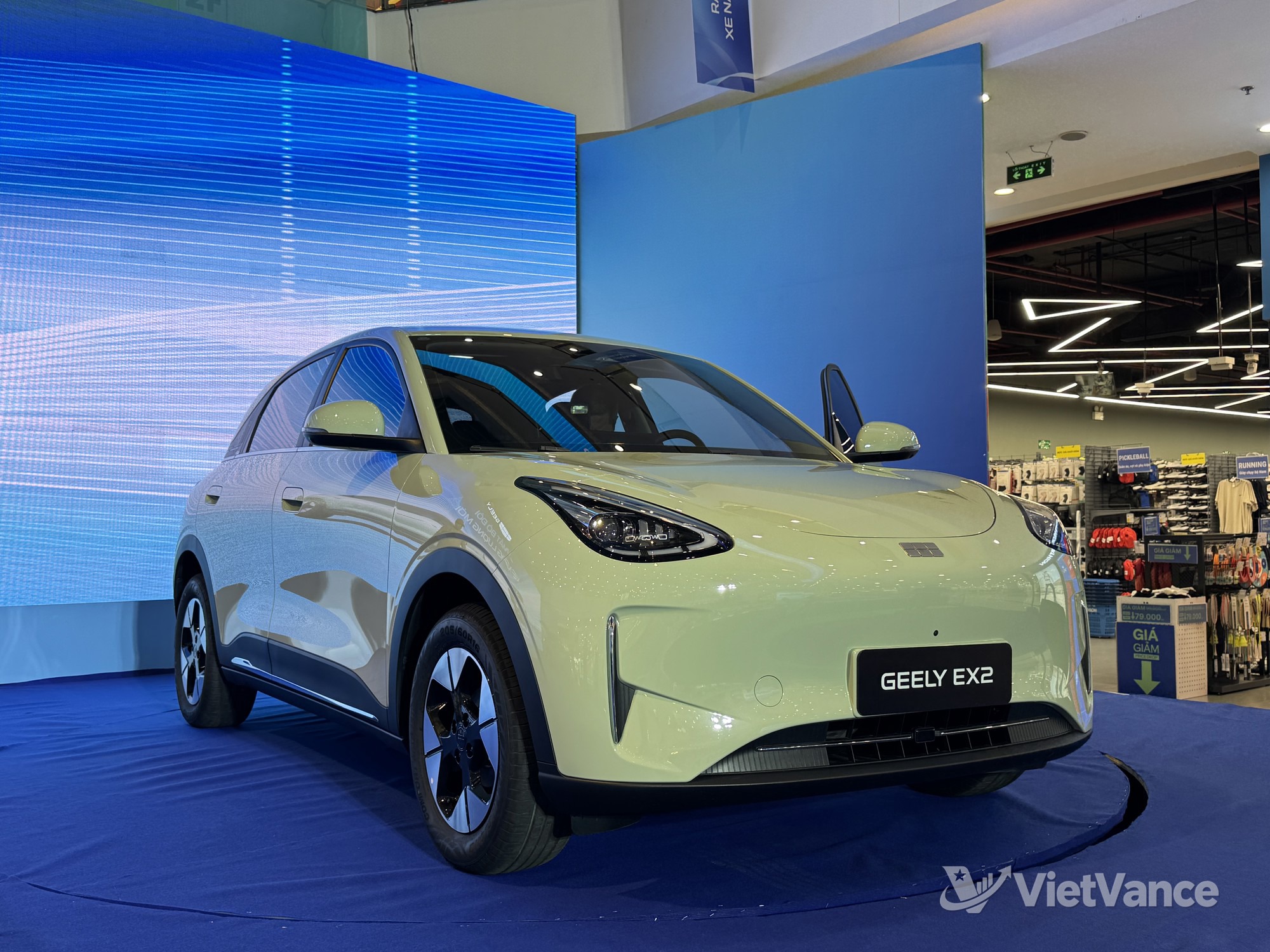
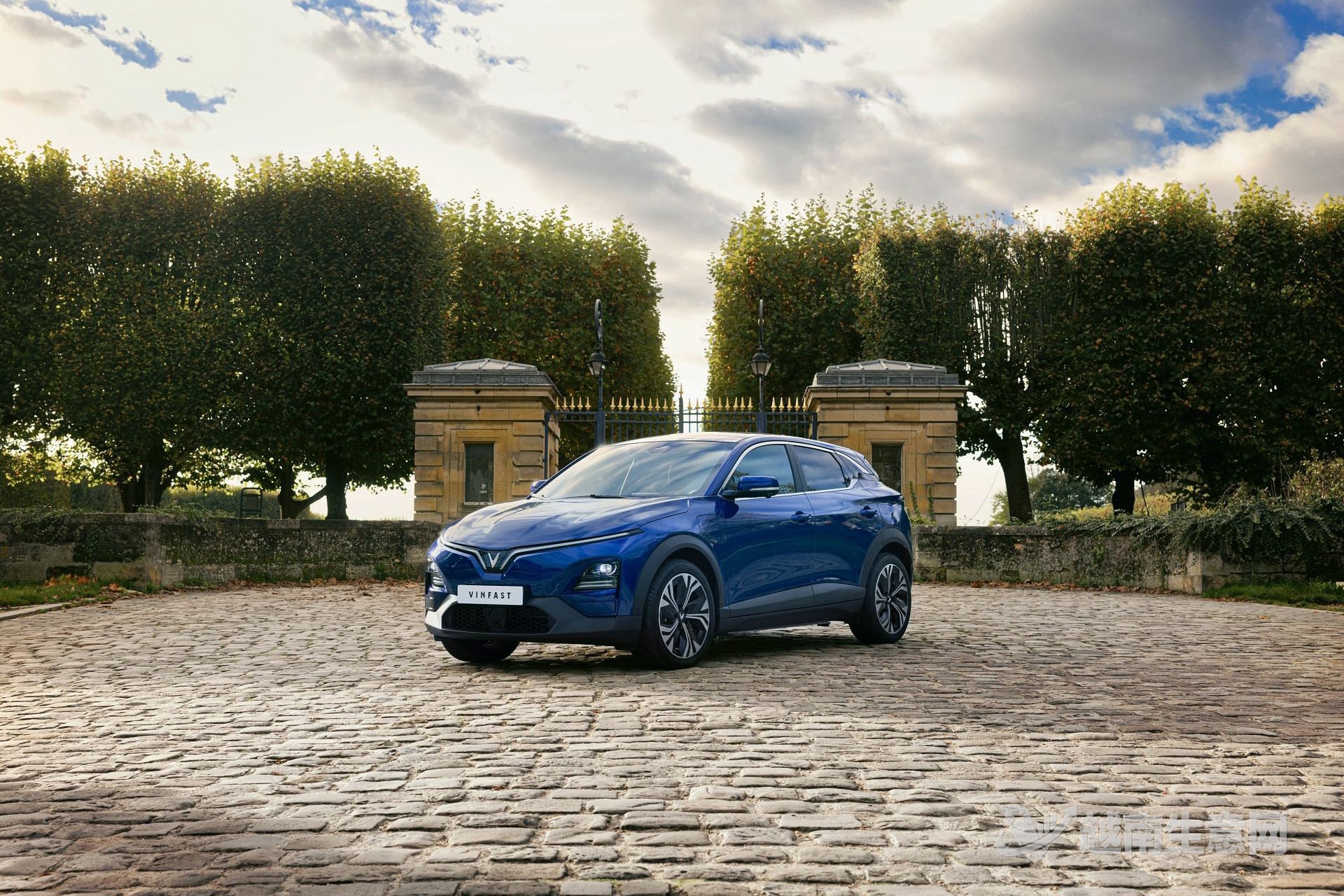
A Chinese electric vehicle launched in Vietnam earlier this year that is preparing to partner with ride-hailing platforms.(VietVance)
Trần Đình Trọng, head of a transport cooperative in Ho Chi Minh City, said service vehicles are used intensively, and without repair facilities across multiple areas and readily available replacement parts, time off the road awaiting repairs would erode earnings. Urban transport researcher Vũ Đình Hải said building a charging network requires long-term investment and involves land, grid connections and equipment. Putting vehicles into passenger service before supporting infrastructure is fully developed could leave drivers and small transport businesses bearing the risk of interrupted operations.
Source: VietVance