Indonesia Increases Rice Reserves to Address Climate Risks
Indonesia held about 4.5 million tonnes of government rice reserves at the end of October 2026 and is expanding purchases and distribution to stabilize prices and support low-income households. Storage and distribution remain under pressure, while El Niño could affect future rice production.

Indonesia is increasing rice purchases and reserves to prepare for production disruptions that climate change could cause and to stabilize market prices. According to Indonesia's Ministry of Agriculture, government rice reserves stood at about 4.5 million tonnes at the end of October 2026. The rice can be used to support households and supplement market supplies when prices rise.
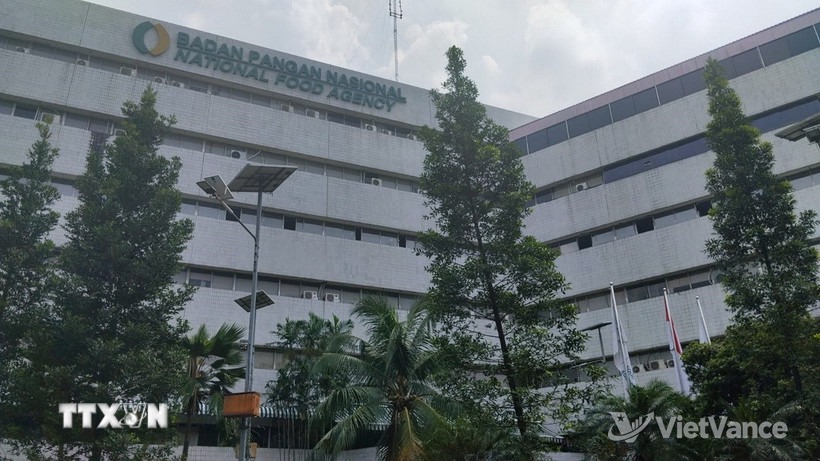
The offices of Bapanas, Indonesia's food policy coordination agency.(VietVance)
State-owned Bulog is responsible for purchasing, storing and distributing rice. During the harvest season, it buys paddy and rice from farmers; when supplies tighten or retail prices rise, it releases reserves. According to Indonesia's Ministry of Finance, the 2026 food security budget increased to 210.4 trillion rupiah, up 31.7% from projected 2025 spending.
According to Bapanas, Bulog distributed about 2.88 million tonnes of rice reserves from January to October 2026. About 1.63 million tonnes went directly to low-income households, while about 1.16 million tonnes entered the market through a price stabilization program. The government plans to continue supporting about 33.24 million households in the final months of the year, providing each with 10 kg per month. Bapanas said the year-on-year rise in rice prices fell to 3.73% in September.
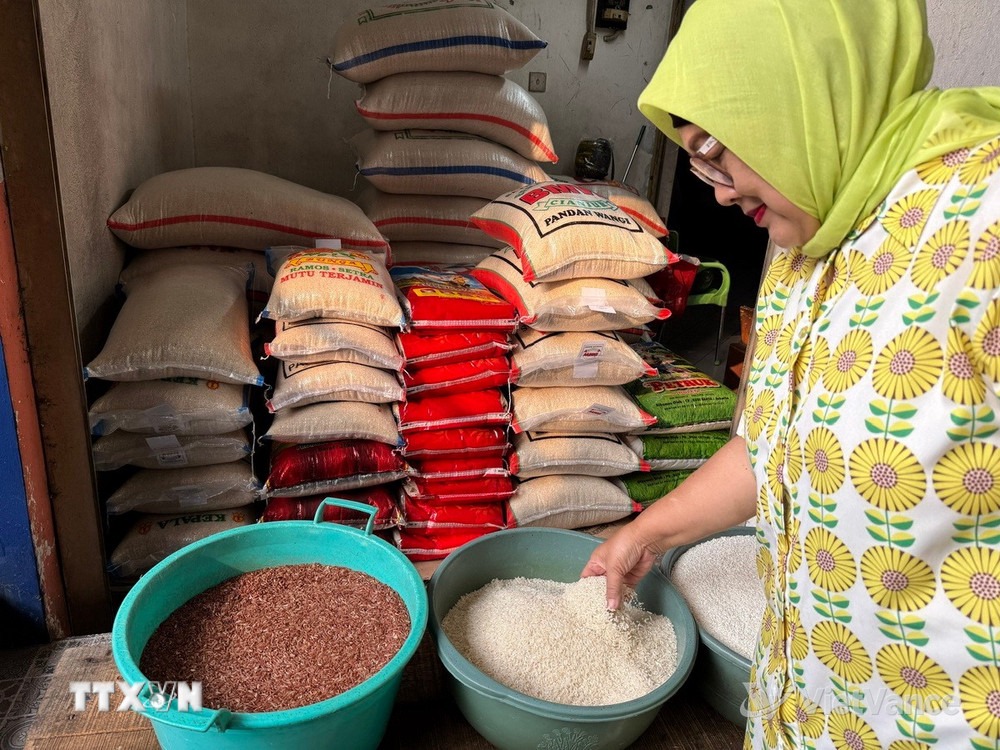
A rice shop at a traditional market in Jakarta.(VietVance)
Growing reserves are also putting pressure on storage and distribution. The World Bank said high transport and storage costs and narrowing margins along the supply chain could reduce private companies' incentives to buy and transport rice. Overcrowded warehouses, uneven quality and longer storage periods could also increase losses and public spending.
Indonesia's statistics agency forecasts that paddy production could fall 4.57% year on year in 2026 to about 57.45 million tonnes. The area harvested in the final three months of the year could also shrink significantly because of El Niño. Bulog is accelerating purchases, aiming to maintain at least about 3 million tonnes of rice reserves during the period when production could be affected. Indef warned that current reserves of about 4.5 million tonnes could fall to 3 million–3.5 million tonnes by early 2027 after the government implements aid and price stabilization programs.
Source: VietVance