Japan Provides ¥27.9 Billion Loan for Ô Môn 3 Power Plant in Cần Thơ
The Japan International Cooperation Agency signed an agreement on November 9, 2026, to provide a loan of up to ¥27.901 billion for the Ô Môn 3 power plant in Cần Thơ. A 2013 exchange of notes between the two governments exempts the project from Japan’s later restrictions on financing overseas fossil fuel energy projects.

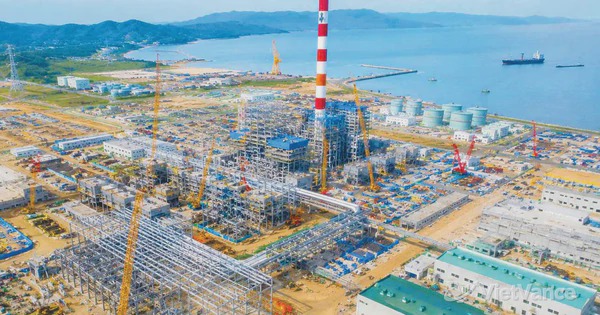
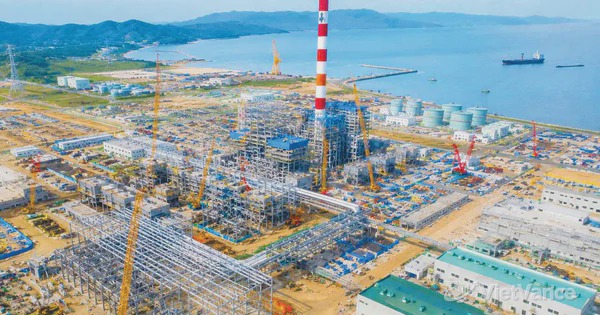
The Japan International Cooperation Agency (JICA) signed an agreement in Tokyo on November 9, 2026, to provide an official development assistance loan of up to ¥27.901 billion for the Ô Môn 3 combined-cycle power plant in Cần Thơ, Vietnam. The annual interest rate is 1.4% for construction and 0.01% for consulting services. The repayment period is 30 years, including a 10-year grace period.
Japan’s overseas infrastructure strategy, amended in June 2022, provides that, in principle, new direct public support for overseas fossil fuel energy projects without emissions reduction measures would end from the close of that year, with a few exceptions. JICA said an exchange of notes between the two governments concerning the Ô Môn 3 loan was signed on March 22, 2013, so the project is exempt from that restriction.
The project’s schedule and capacity have both changed. A JICA document prepared in 2012 envisaged a 750 MW plant beginning commercial operation in November 2016. Mitsubishi Power announced a design capacity of 1,155 MW on November 19, 2026; JICA now expects the plant to begin commercial operation in May 2030.
JICA estimates the project’s total cost at ¥197.031 billion. The new loan accounts for about 14.2%, with the remainder expected to come from equity and commercial loans, among other sources. The project owner is the Vietnam National Industry–Energy Group (Petrovietnam). JICA’s target is for the plant to generate about 6.12 billion kWh annually once it reaches stable operation in 2032.
The plant’s operation depends on gas supplies from the offshore Lô B gas field in southwestern Vietnam. JICA considers progress in developing the field a prerequisite for the project’s effectiveness. After a final investment decision was made for the field in March 2024, field development and pipeline construction began, with gas supplies planned to start in 2027.
Source: VietVance