Vietnam Power Projects Face Delays Amid Approval and Financing Hurdles
Several power projects in Vietnam are progressing slowly as investment procedures, power purchase negotiations and financing take time. Local authorities also apply policies inconsistently. The Ministry of Industry and Trade cites limited investor appeal in current pricing and financing mechanisms, along with site selection and land acquisition difficulties.

Several power projects in Vietnam have fallen behind their planned schedules. Nguyễn Quốc Thập, who has long followed liquefied natural gas (LNG) power projects, said construction of the Nhơn Trạch 3 and 4 LNG power plants took about three years, but legal and investment procedures, contract negotiations and financing arrangements beforehand took nearly five years. Preparatory work remains a bottleneck for large power projects.
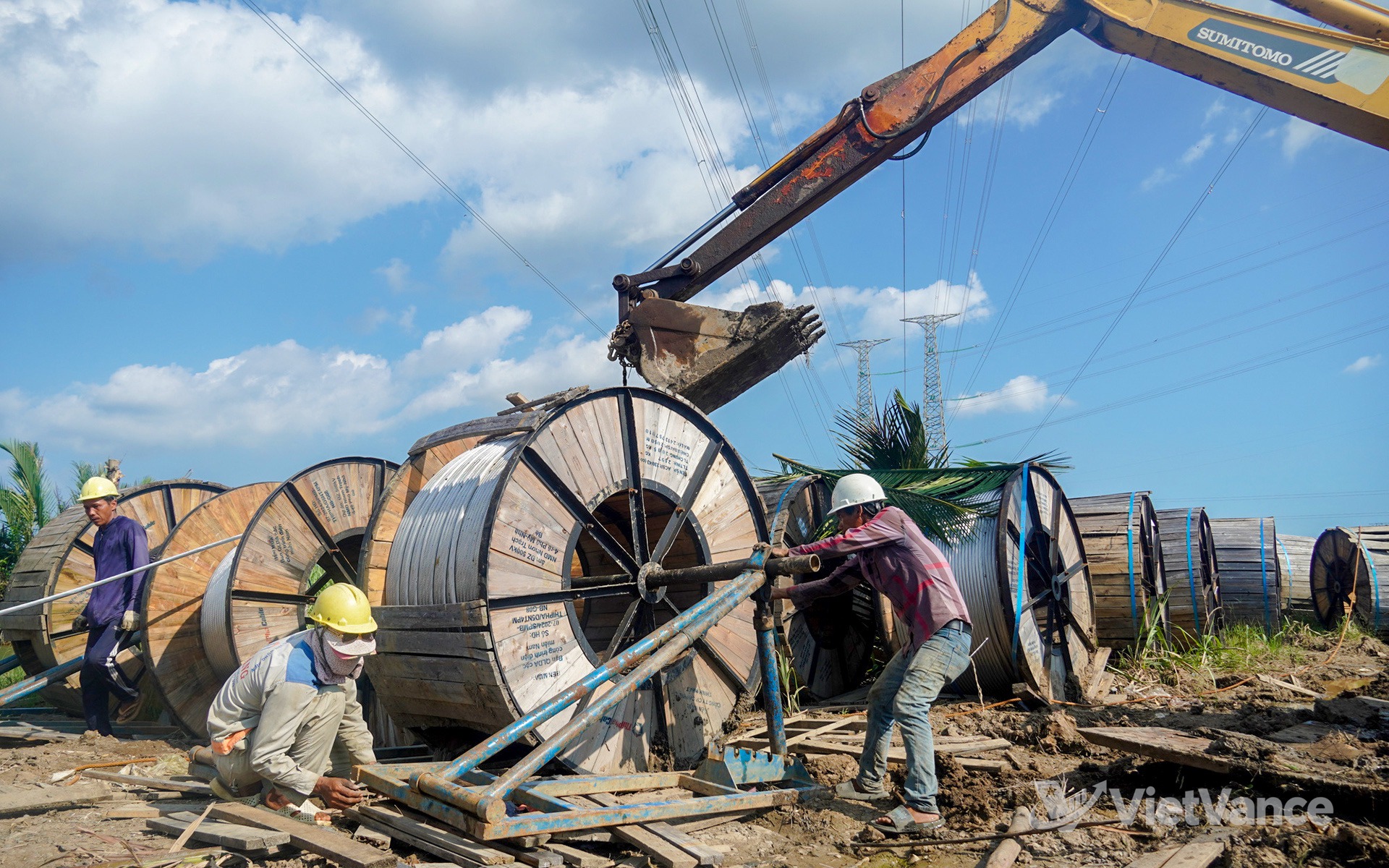
Transmission projects serving the Nhơn Trạch 3 and 4 LNG power plants need to advance on the same schedule.(VietVance)
Beyond approvals for investment, land, construction and environmental matters, LNG projects must coordinate contracts covering electricity and gas purchases, port services and regasification. Nguyễn Quốc Thập said buyers and sellers on some projects have yet to agree on long-term contracts and minimum gas and electricity purchase volumes. Banks need to assess project cash flow, foreign currency conversion and debt repayment arrangements; unresolved contracts make financing harder to secure.
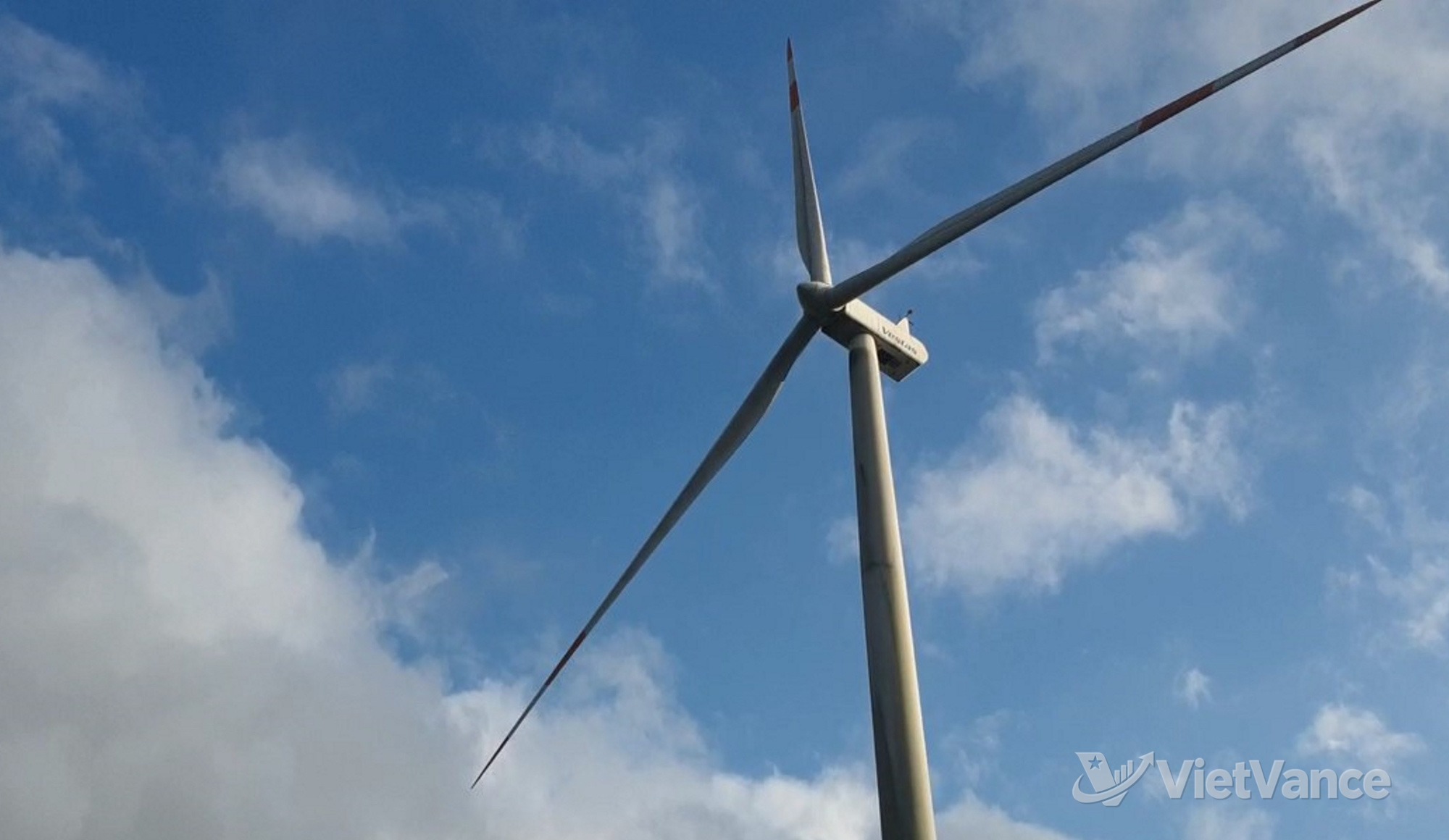
Approval procedures and other issues are affecting the progress of power projects.(VietVance)
A private investor said similar power projects receive approvals at different speeds across localities. Some local authorities proceed directly under the relevant resolution, while others seek opinions from ministries. Nguyễn Thị Thanh Bình, a National Assembly deputy representing Hưng Yên, said inconsistent investor selection by local authorities, particularly slow preparation of documents for projects requiring bids, has delayed projects from the outset.
Nguyễn Thị Thanh Bình also said that although an energy development policy introduced in late 2025 provided a basis for local authorities to select investors, many projects are still completing procedures, preparing feasibility studies and getting ready to negotiate power purchase agreements. Wind and solar projects faced waits for pricing and lengthy negotiations after the feed-in tariff mechanism ended, making investors more cautious about revenue forecasts for new projects.
Vietnam’s Ministry of Industry and Trade said power projects must comply with rules on planning, investment, land, construction, environmental protection and bidding, which are administered by different agencies. Current financing and pricing mechanisms are not sufficiently attractive to investors. Delays in allocating sites for projects, investors’ limited ability to raise capital, and difficulties with land acquisition and site handover are also slowing progress.
Source: VietVance