Vietnam’s Exports to the UK Grow, but Firms Face Rules of Origin and Compliance Requirements
Vietnam’s exports to the UK reached $4.51 billion in the first half of 2026, up 16.34% year on year. The UKVFTA and CPTPP offer tariff preferences, but firms must meet rules of origin, product quality, environmental and supply chain requirements to keep securing orders.

Figures released at a seminar on the UK market on November 10 showed that bilateral trade between Vietnam and the UK totaled about $5.02 billion in the first half of 2026. Vietnam’s exports to the UK reached $4.51 billion, up 16.34% year on year; imports from the UK were about $509 million, up 10.24%, leaving Vietnam with a trade surplus of nearly $4 billion. Major exports included electronics, mobile phones, machinery and equipment, footwear, textiles, agricultural products and seafood.
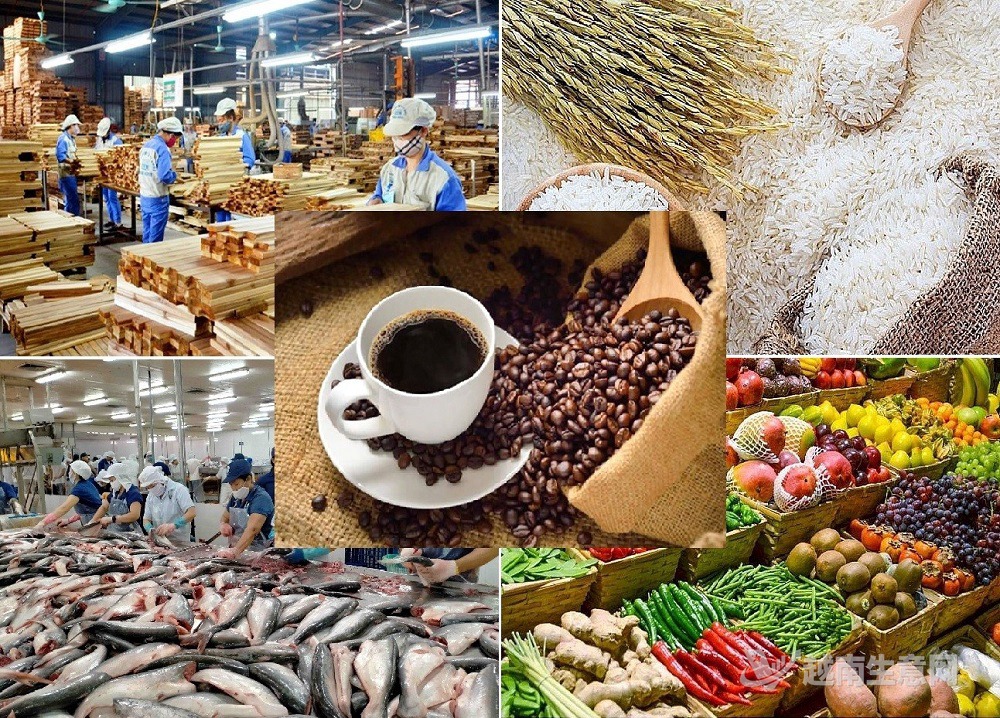
Vietnamese agricultural products and seafood have entered the UK market.(VietVance)
The UK–Vietnam Free Trade Agreement and the Comprehensive and Progressive Agreement for Trans-Pacific Partnership offer Vietnamese firms different routes to tariff preferences for exports to the UK. The UK formally joined the latter on December 15, 2024. The agreements have different rules of origin and provisions for cumulating inputs, so firms must choose the applicable agreement based on where their materials come from, how production is structured and the product concerned. A lower preferential tariff alone does not ensure that goods qualify for it.
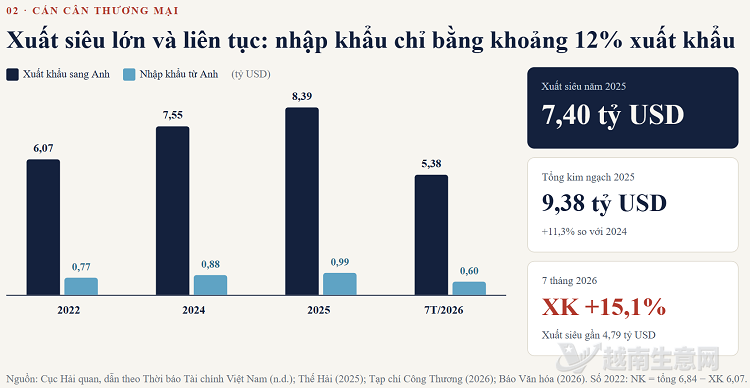
Chart showing imports and exports between Vietnam and the UK.(VietVance)
Beyond proof of origin, exporters must check the UK market’s technical, safety and labeling requirements. Some goods are subject to requirements involving the UKCA conformity mark or transitional arrangements for the CE mark; agricultural products and seafood also face rules on quarantine, pesticide residue limits and combating illegal fishing. At the seminar, business representatives cautioned that product classification codes, origin documents and related certification procedures also affect whether tariff preferences can be used in practice.
Environmental and buyer requirements also affect firms’ ability to retain orders. The UK’s carbon border adjustment mechanism is expected to apply from January 1, 2027, to goods including aluminum, cement, fertilizers, hydrogen, and iron and steel. Buyers may also require supply chain transparency, measures to prevent forced labor and compliance with their quality standards. Business representatives recommended standardizing processes, testing products, measuring emissions and reviewing packaging early, while improving warehousing and logistics capacity.
Source: VietVance