Ho Chi Minh City Free Trade Zone Aims to Attract VND 300 Trillion in Initial Infrastructure Investment
Ho Chi Minh City is advancing plans for a free trade zone and an integrated logistics zone. The city estimates that initial free trade zone infrastructure could attract about VND 300 trillion in investment. Proposed investment procedures and tax incentives aim to draw strategic investors, while results will depend on construction progress and transport links.

The Ho Chi Minh City People’s Committee recently directed relevant departments to implement City Council Resolution No. 74/2026/NQ-HĐND in November 2026 to develop a free trade zone and an integrated logistics zone. The city estimates that initial infrastructure for the free trade zone could attract about VND 300 trillion in investment. If the project is successfully implemented, additional value generated by subsequent investors could equal 1.5% to 2% of the city’s GDP.
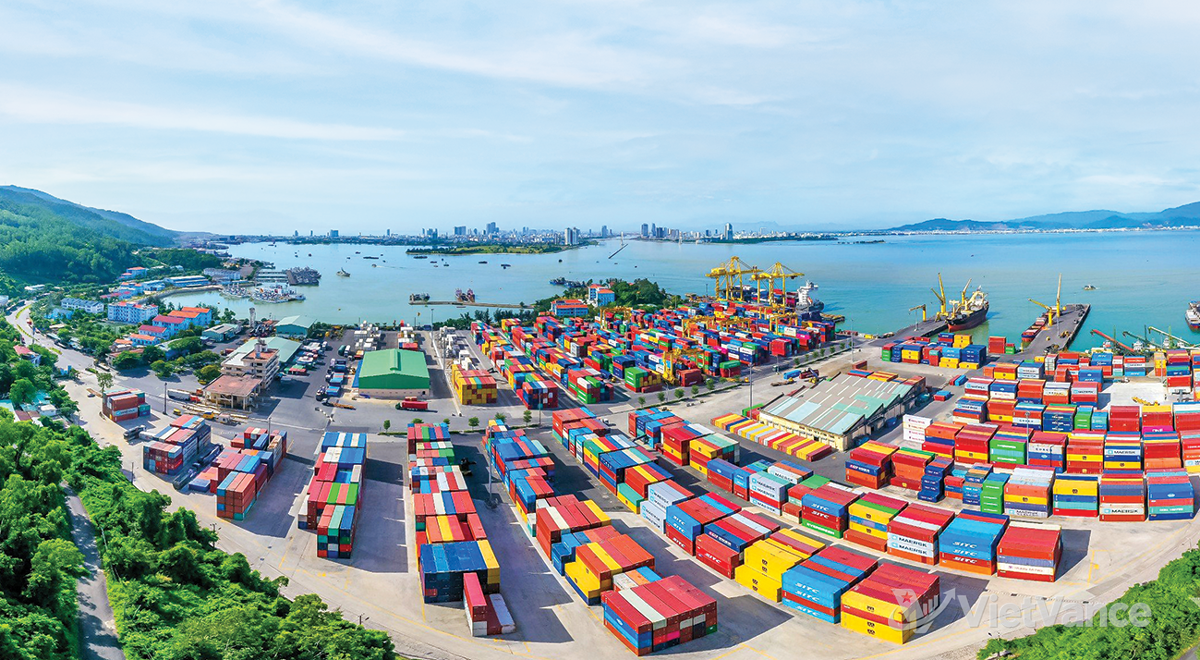
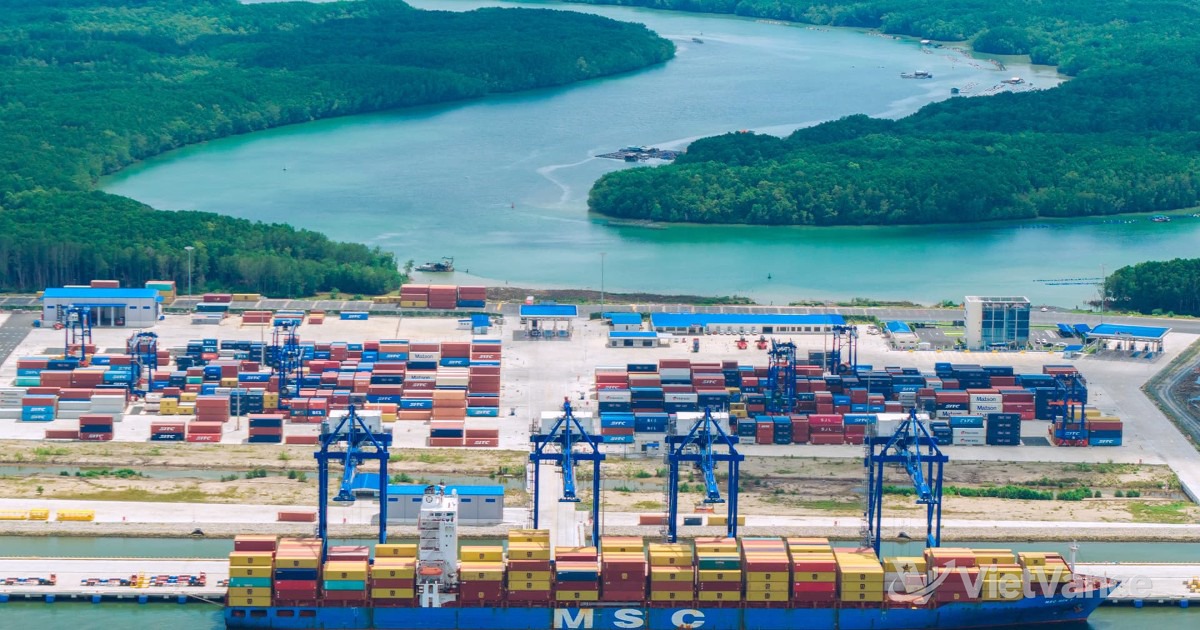
Illustration of a free trade zone.(VietVance)
Ho Chi Minh City hopes to attract strategic investors and build large cargo transshipment facilities. The city is home to about 60% to 70% of Vietnam’s logistics companies, with more than 15,300 businesses operating in transport, warehousing, ports and related services. However, dispersed storage facilities, a shortage of large distribution hubs and freight traffic passing through urban areas are putting pressure on transport and operating costs.
For major projects, Ho Chi Minh City plans to prioritize port projects with investment of at least VND 75 trillion, integrated logistics zone infrastructure projects of at least VND 25 trillion, and infrastructure projects for industrial, urban and service areas of at least VND 20 trillion. The city government has also proposed simplifying investment procedures for certain foreign-invested projects in the free trade zone.
Proposed tax incentives would cover new investment projects in priority fields including semiconductors, artificial intelligence, research and development, new materials, digital infrastructure and energy. They include a 10% corporate income tax rate for 20 years, a tax exemption for the first four years and a 50% reduction in tax payable for the following nine years. The incentives are expected to take effect from the 2027 tax year. The integrated logistics zone is planned to connect at least two modes of transport and combine warehousing, distribution, processing and e-commerce. Its effectiveness will still depend on infrastructure development and effective links to the regional transport network.
Source: VietVance