Malaysia Plans Up to Six Carbon Storage Hubs
Malaysia plans to establish three to six carbon capture, utilization and storage hubs by 2050, attract about US$40 billion in investment and begin storing captured carbon dioxide underground as early as 2030. It also aims to develop cross-border carbon storage services.

Malaysia’s Ministry of Economy has released a roadmap for carbon capture, utilization and storage (CCUS). It plans to establish three to six hubs by 2050 and attract 160 billion to 170 billion ringgit in investment, equivalent to about US$40 billion. The government aims to begin injecting captured carbon dioxide underground as early as 2030 and hopes to meet demand for cross-border carbon storage from elsewhere in Asia.
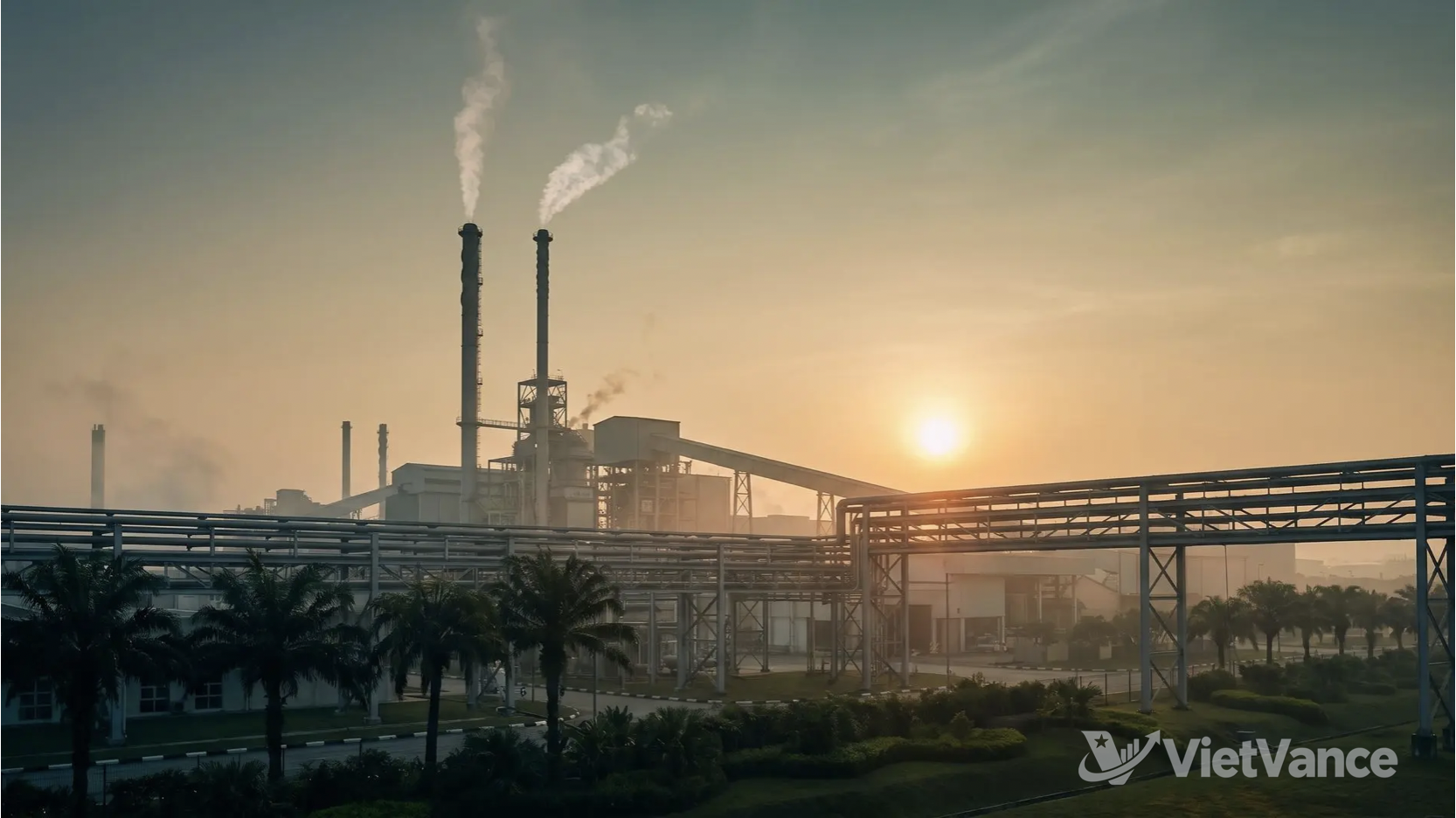
Malaysia plans to establish three to six carbon capture, utilization and storage hubs by 2050.(VietVance)
The roadmap projects that the sector could generate US$200 billion to US$250 billion in cumulative value added and provide 150,000 to 250,000 direct and indirect jobs at peak operations. These figures are planning targets and projections. The roadmap builds on Malaysia’s CCUS Act 2025 and covers project licensing, cross-border transport of carbon dioxide, and long-term monitoring and management of storage sites.
The first hubs are planned for the east coast of Peninsular Malaysia, where factories could share pipelines and storage facilities to reduce costs. The government also plans to discuss common rules for cross-border carbon dioxide transport and safe storage with other countries. Malaysia’s Economy Minister said the projects still need to complete assessments, approvals and financing arrangements, as well as plans for facilities and safety measures.
Key projects include a carbon capture trial at a steel plant and a planned southern storage hub that would transport carbon dioxide through a 245-kilometer offshore pipeline to a depleted gas field. The latter is designed to store up to 5 million tonnes a year. Other power plant trials will use captured carbon dioxide to produce synthetic fuels and cultivate algae. The roadmap lists 27 initiatives covering industry development, regulation, financing, workforce training and public communication.
Source: VietVance