Suez Canal crude oil tanker capacity exceeds pre-Red Sea crisis average
In October 2026, crude oil tankers transiting the Suez Canal had a combined deadweight tonnage of 47 million tonnes, above the January–November 2023 monthly average. Total deadweight tonnage for all vessels remained about one-third below its pre-crisis level, as regional conflict, sanctions and security risks continued to affect shipping routes.

In October 2026, crude oil tankers transiting Egypt’s Suez Canal had a combined deadweight tonnage of 47 million tonnes, exceeding the monthly average of 44 million tonnes from January to November 2023. However, the combined deadweight tonnage of all vessels using the canal remained about one-third below its level before the Red Sea crisis, showing that the recovery in shipping has been uneven.
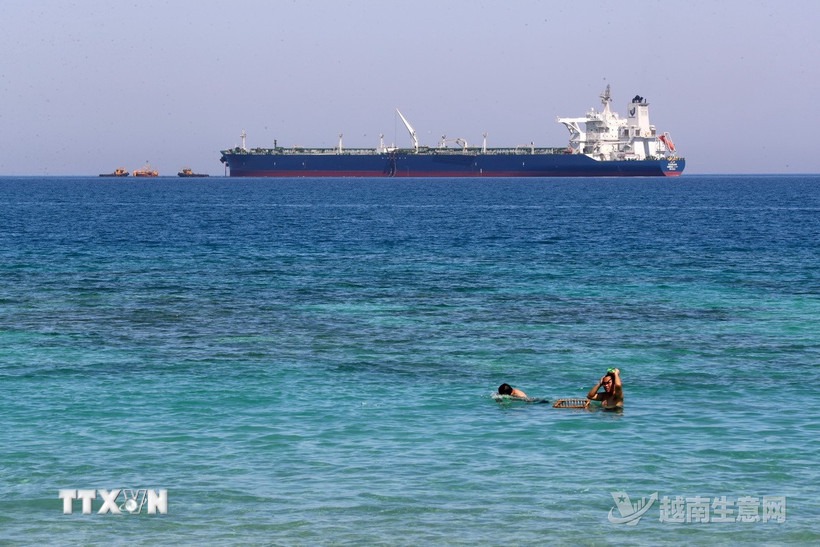
A vessel passes through the Gulf of Suez, Egypt.(VietVance)
Data published by Lloyd’s List show that the Suez Canal recorded 1,338 vessel transits in October, up from 1,228 in September and 998 in the same month of 2025. Total vessel deadweight tonnage reached 126 million tonnes, an increase of 18% from the previous month and 63% from a year earlier. Deadweight tonnage measures a vessel’s carrying capacity and includes vessels sailing without cargo; it does not represent the amount of oil actually transported.
The rise in crude oil tanker traffic was driven mainly by Saudi Arabia’s adjustment of its oil export routes and shipments of Russian oil to India. Oil exported from Yanbu, Saudi Arabia, travels north through the Red Sea and the Suez Canal. Russian oil is shipped from Black Sea and Baltic ports through the canal to India, a shorter route than sailing around southern Africa. Lloyd’s List Editor-in-Chief Richard Meade said nearly 40% of the large crude oil tankers that transited the canal in October were under sanctions.
Bridget Diakun, head of maritime research at Lloyd’s List, said traffic through the Suez Canal had reached its highest level since the Red Sea attacks began, with the return of container shipping routes providing a particular boost. Regional security risks persist: according to Lloyd’s List Intelligence, transits through the Strait of Hormuz by vessels with no links to Iran fell to 110 during October 19–25, 2026, from 122 the previous week.
At the Bab al-Mandab Strait, at the southern end of the Red Sea, the return of container shipping routes has also boosted vessel traffic. International Maritime Organization Secretary-General Arsenio Domínguez said vessels linked to Saudi Arabia remain targets of attacks in the area, which could affect traffic in the future.
Source: VietVance