Vietnam Adds Two Paid Public Holidays, Bringing Annual Total to 13 Days from 2027
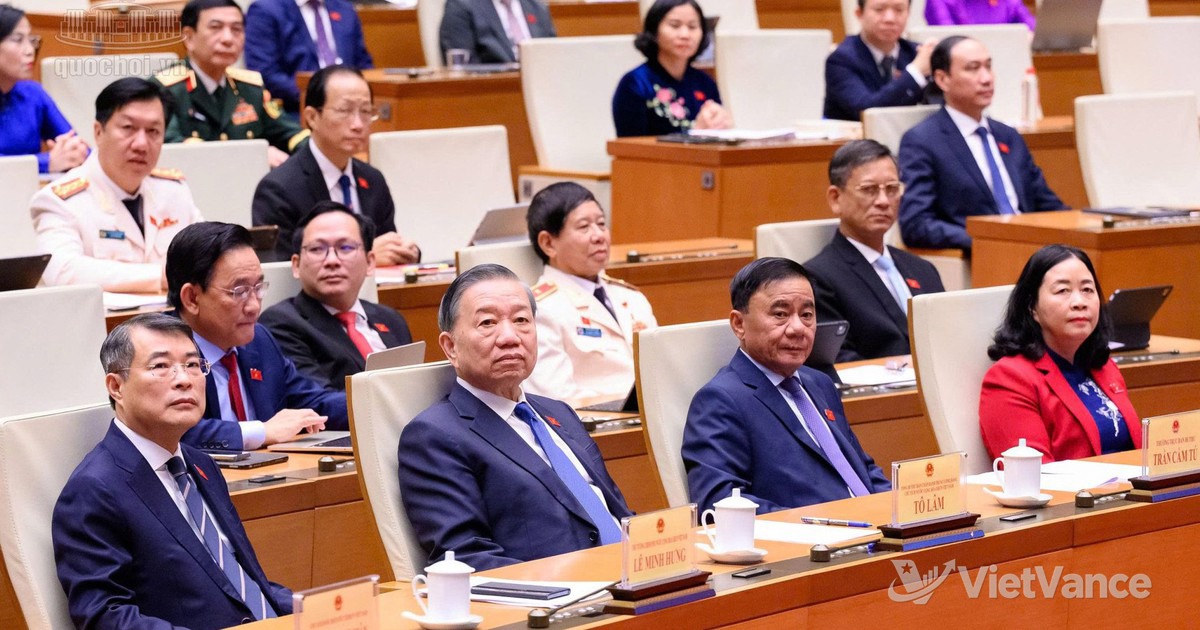
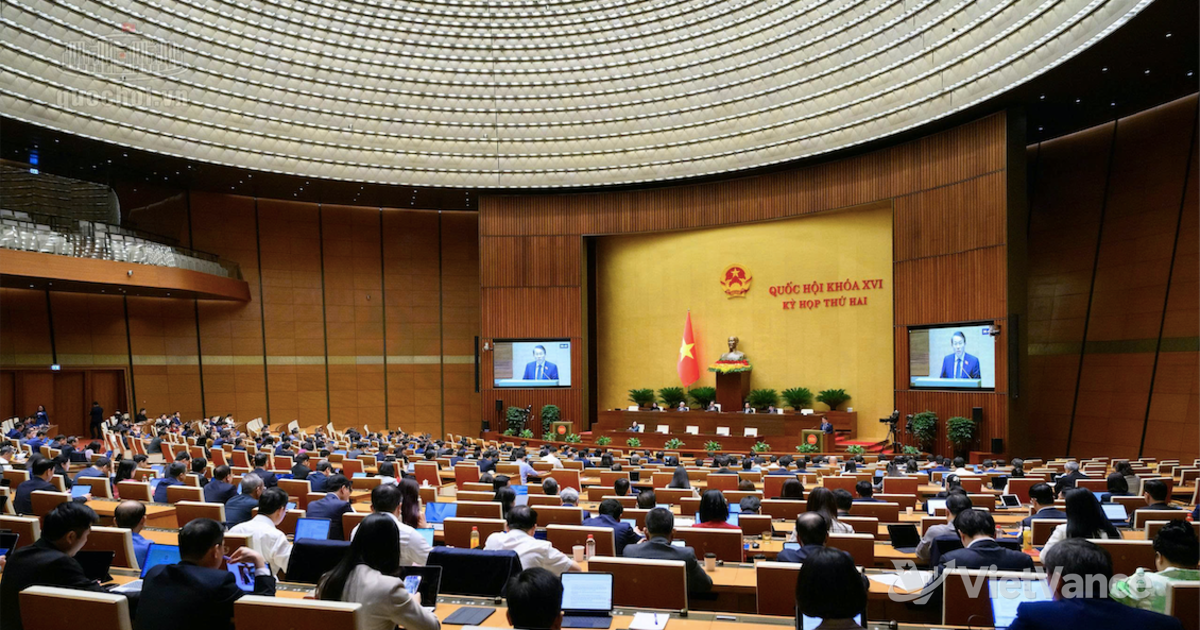
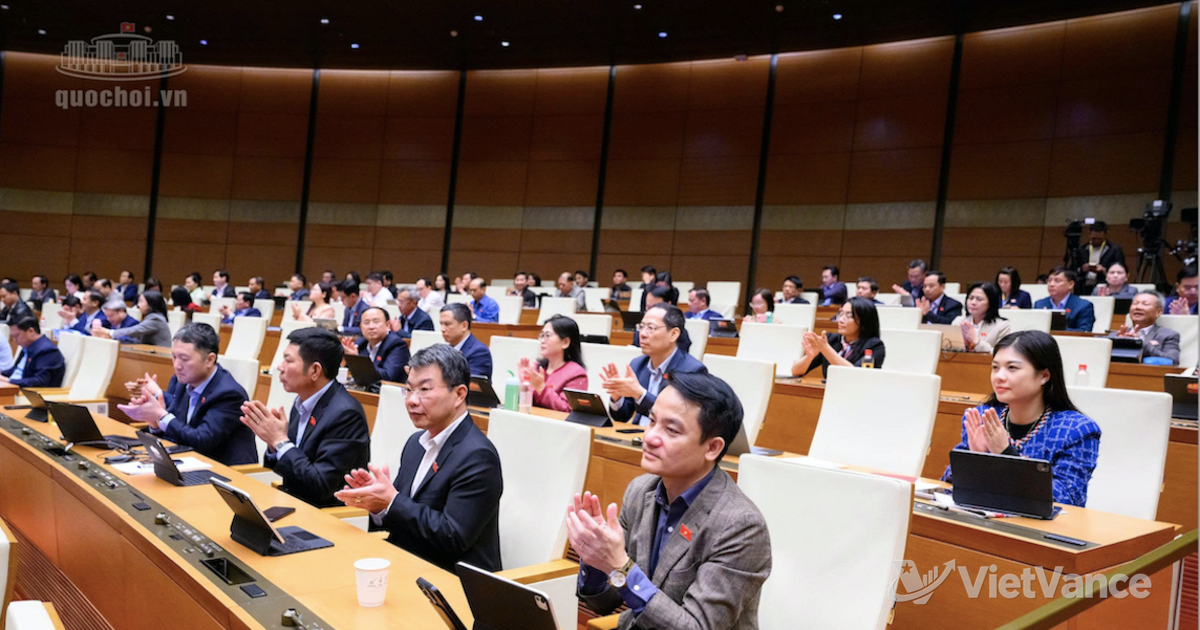
Vietnam’s National Assembly passed amendments on November 21 adding Vietnamese Culture Day and War Invalids and Martyrs Day as paid public holidays. The law is set to take effect on March 1, 2027, while the respective holiday provisions specify application from 2026 and 2027. The government will also announce the following year’s holiday schedule in advance.


On November 21, Vietnam’s National Assembly passed amendments to several laws, including the Labor Code, adding two public holidays on which employees receive their full pay: Vietnamese Culture Day on November 24 and War Invalids and Martyrs Day on July 27. The amendments are set to take effect on March 1, 2027, although the paid leave provision for Vietnamese Culture Day specifies that it applies from 2026, and the provision for War Invalids and Martyrs Day applies from 2027.
From 2027, Vietnam will have 13 paid public holiday days each year: one day for New Year’s Day, five days for Lunar New Year, one day for the Hung Kings’ Commemoration Day, one day for Southern Liberation Day on April 30, one day for International Workers’ Day on May 1, one day for War Invalids and Martyrs Day on July 27, two days for National Day, and one day for Vietnamese Culture Day on November 24.
The amendments also stipulate that Vietnam’s prime minister will determine the specific holiday schedule each year based on actual circumstances, and the minister of home affairs must announce the following year’s schedule before September 30. The drafting body said earlier notice would help people and businesses make plans and avoid the difficulties caused by announcements close to the holidays.
During deliberations, some National Assembly deputies proposed uniform rules for rearranging holidays and granting compensatory days off, or scheduling holidays on Fridays. Minister of Home Affairs Nguyễn Tiến Hải said a fixed arrangement would be difficult to apply to businesses with shift work or continuous production and could increase staffing and production costs. The Ministry of Home Affairs therefore recommended retaining the current system: when a public holiday falls on a weekly rest day, employees receive a compensatory day off on the next working day, with holiday schedules arranged flexibly each year.
Source: VietVance