Vietnam Passes Environmental Protection Law Amendments Allowing Low-Emission Zones
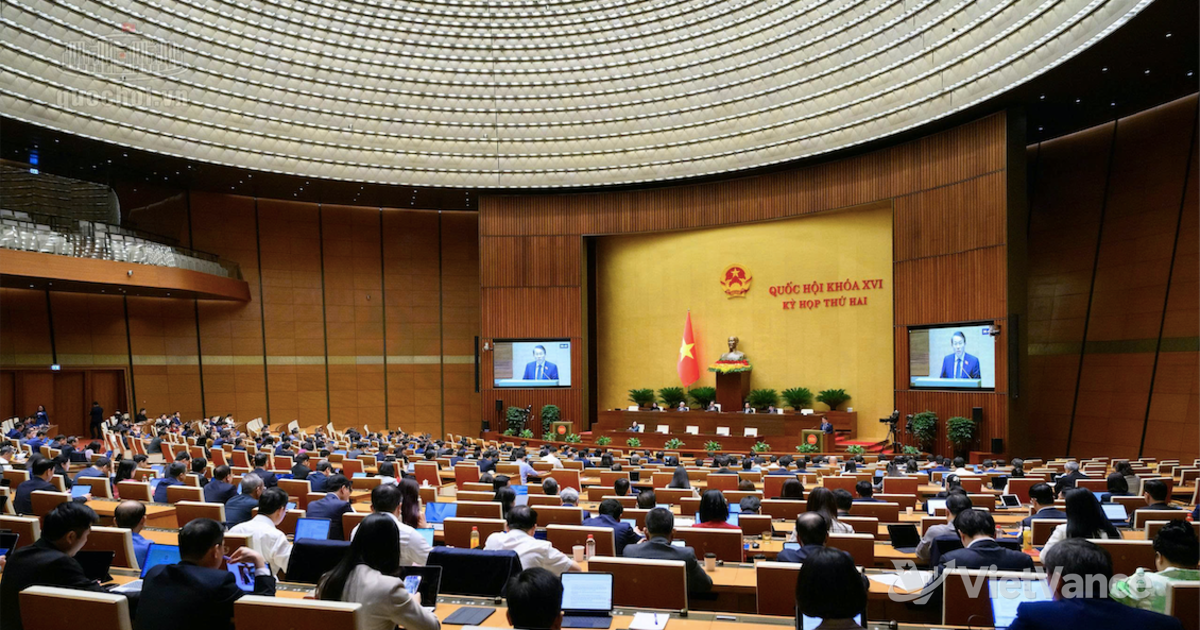
Vietnam’s National Assembly passed amendments to the Environmental Protection Law on November 21. Effective March 1, 2027, they allow local authorities to establish low-emission zones and phase in controls on high-emission vehicles and those using fossil fuels such as gasoline and diesel. The amendments also tighten oversight of environmental monitoring data and restrict wastewater discharges into rivers and lakes that can no longer absorb pollution.

Vietnam’s National Assembly passed amendments to the Environmental Protection Law on the morning of November 21. The law will take effect on March 1, 2027. The amendments allow low-emission zones to be established to reduce air pollution, primarily from transport. Controls in these zones will focus on high-emission vehicles and those using fossil fuels such as gasoline and diesel. The restrictions must be introduced in phases and coordinated with public transport, infrastructure for clean-energy vehicles and policies supporting residents who switch vehicles.

People ride motorcycles along a street in central Hanoi.(VietVance)
Provincial People’s Committees may, based on local conditions, submit proposals to People’s Councils at the same level to decide whether to establish low-emission zones and what vehicle-emission controls to apply. Site selection must take into account air quality, urban planning, traffic arrangements and public transport capacity. Measures must be public and transparent, follow an appropriate timetable and minimize disruption to residents’ lives and business operations. The government will set the specific criteria for establishing the zones, management rules and support policies.
The amendments also require stronger management of air pollution sources, with dust and exhaust emissions inventoried, monitored, assessed and controlled, and air quality forecasts and warnings issued promptly. Data from automated monitoring systems must be transmitted continuously and remain complete and traceable. Monitoring equipment must meet technical requirements and undergo inspection and calibration, while service providers must take responsibility for the accuracy of their results.
The amendments also introduce a controlled trial mechanism for new technologies, products and services that could benefit the environment. During trials, some environmental protection requirements may be reduced, waived or temporarily suspended, but this does not apply to conduct expressly prohibited by law. Participants must still safeguard human health and safety and take measures to prevent and address incidents and restore the environment.
For wastewater management, new or expanded projects requiring environmental procedures generally may not discharge wastewater into rivers or lakes that have no remaining capacity to absorb pollution under any of the indicators subject to mandatory assessment. Exceptions include new projects that treat wastewater to surface-water quality standards, and expanded projects that avoid increasing discharges through recycling and reuse or treat additional wastewater to the required standards. Wastewater treatment projects aimed at improving or restoring polluted environments may also qualify for an exception.
Source: VietVance