Vietnam’s National Assembly Approves Time-of-Use Electricity Pricing for Households
Vietnam’s National Assembly passed amendments to the Electricity Law on November 21, 2026, allowing household electricity prices to vary by peak, off-peak and normal hours when technical conditions permit. The Ministry of Industry and Trade must submit an implementation roadmap to the prime minister. The amendments also set rules for price adjustments and require independent audits of certain costs.

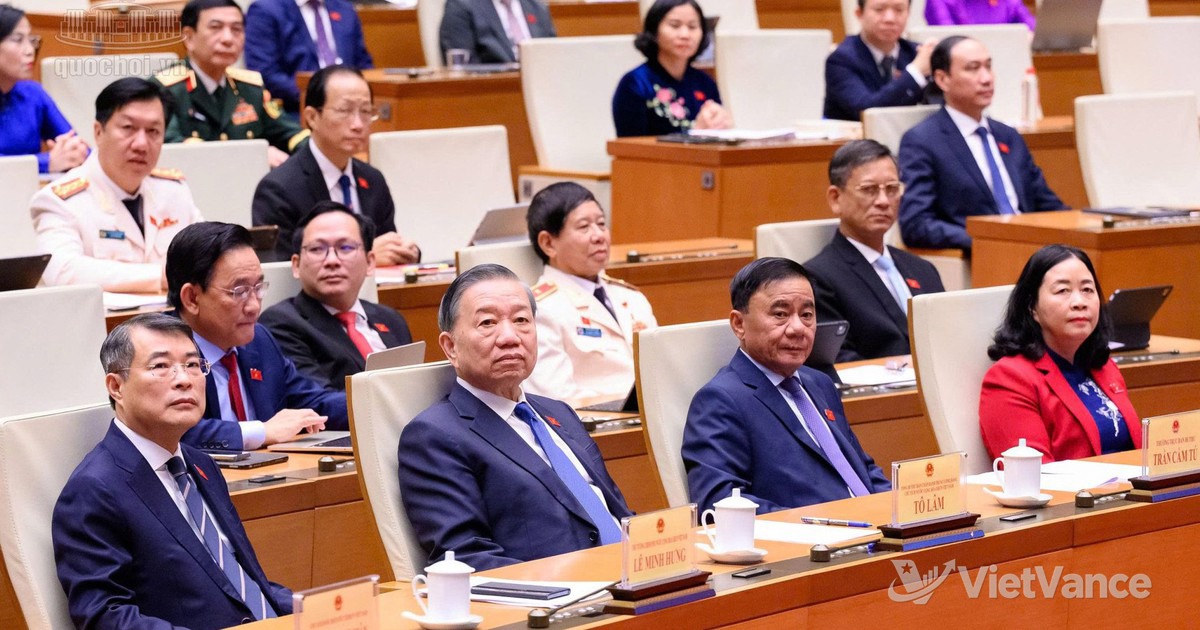
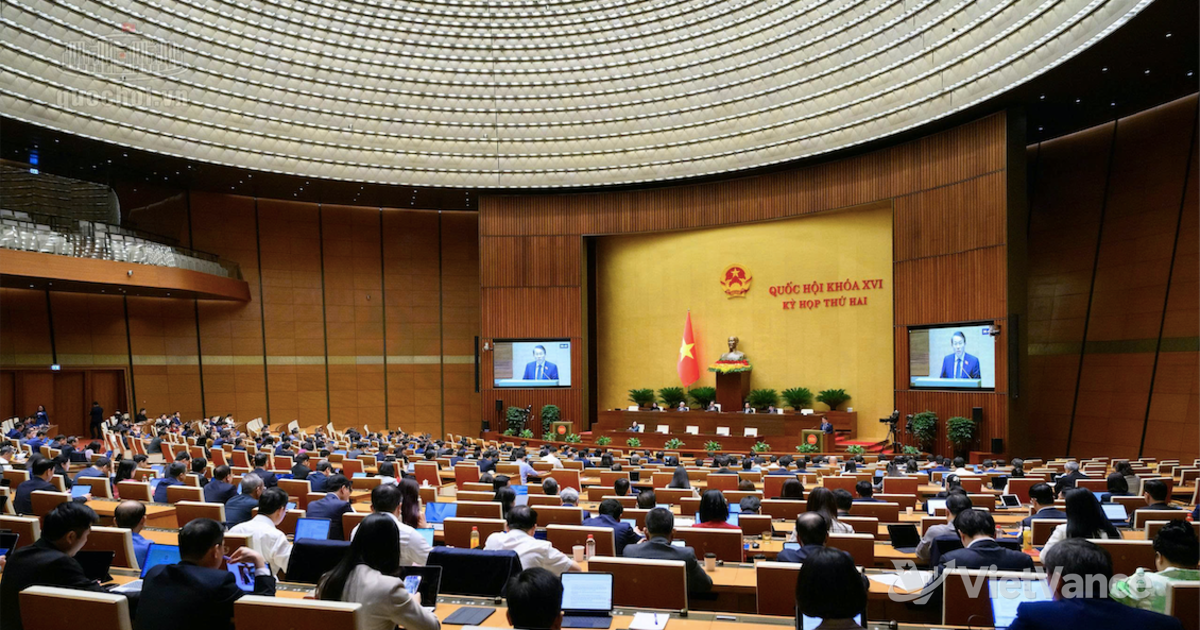
On the morning of November 21, 2026, Vietnam’s National Assembly passed amendments to the Electricity Law, with 488 votes in favor out of 489 lawmakers who took part in the vote. The amendments introduce time-of-use pricing for household electricity: when technical conditions permit, separate retail rates may be set for peak, off-peak and normal hours. The Ministry of Industry and Trade is responsible for developing an implementation roadmap and submitting it to the prime minister.
The roadmap for reforming the retail electricity tariff structure also includes a multi-component pricing mechanism. When technical conditions permit, tariffs for applicable customer groups must have at least two components, which may include capacity charges, energy charges, fixed charges, variable charges or other price components. The amendments do not specify a date for implementing time-of-use pricing for households.

The amendments require the Ministry of Industry and Trade to submit a roadmap for implementing time-of-use electricity pricing for households to the prime minister.(VietVance)
The amendments require the Ministry of Industry and Trade to submit proposed electricity sale prices for rural, mountainous, border and island areas that are not connected to the national grid to the prime minister. Based on the stage of development of the competitive electricity market and the roadmap for eliminating cross-subsidies in electricity prices, the minister will also establish methods for determining wholesale electricity prices, wholesale price frameworks and retail tariff schedules for customer groups.
For electricity price adjustments, the amendments require retail prices to promptly reflect actual changes in input parameters and cover reasonable, legitimate costs. Adjustments may include costs previously omitted or not fully recovered, as well as a reasonable profit, but costs that were omitted or not fully recovered must undergo an independent audit. The amendments take effect on June 1, 2027, with some provisions taking effect on July 1 of the same year.
Source: VietVance