Vietnam Bans Reservation Fees Before Property Projects Are Approved for Sale
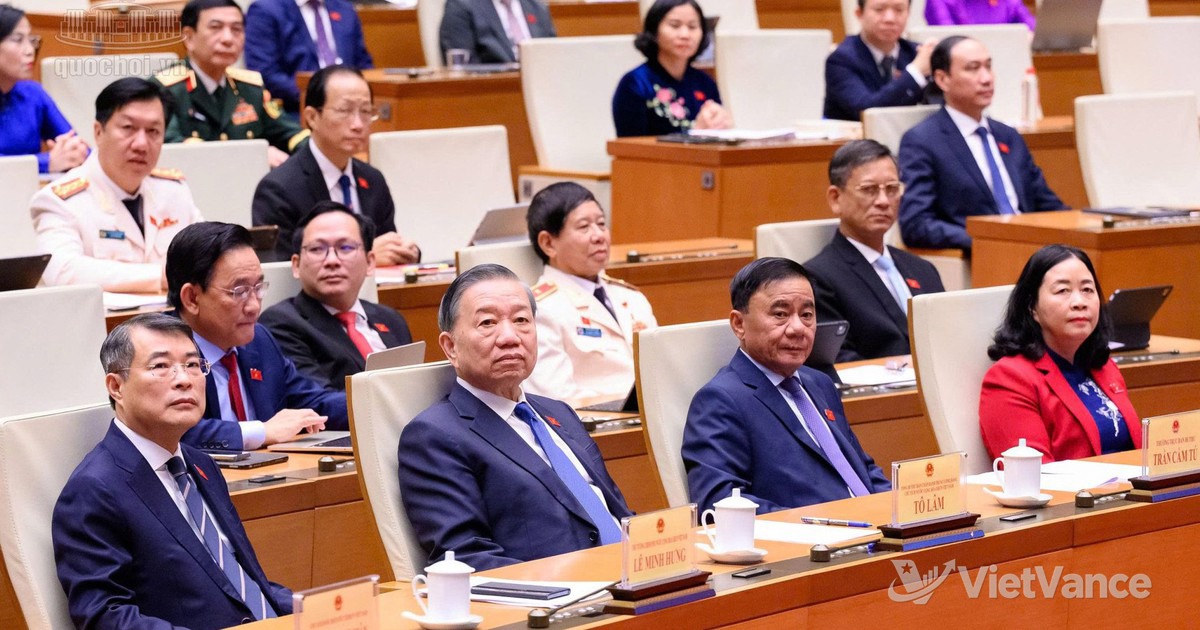
Vietnam’s National Assembly has passed a revised Real Estate Business Law banning developers from collecting reservation fees or other payments to secure contracts before properties qualify for sale. Effective July 1, 2027, the law also sets payment limits for homes under construction and conditions for transferring unfinished projects.

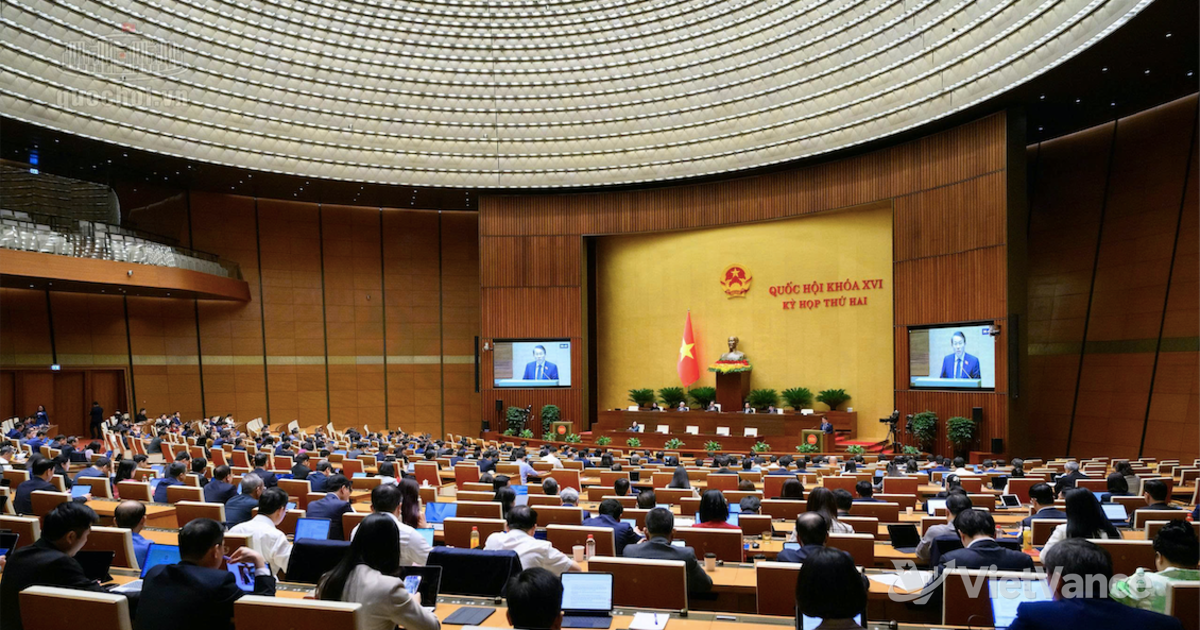
Vietnam’s National Assembly passed the revised Real Estate Business Law, with more than 98% of participating lawmakers voting in favor. The new law takes effect on July 1, 2027. It bars developers from collecting payments in any form to secure a contract before a property qualifies for sale.
The Vietnamese government said some projects that did not yet qualify for sale had nonetheless collected payments in advance through property trading platforms under labels such as reservation fees, goodwill fees and priority fees. The new ban aims to curb disguised fundraising and reduce buyers’ exposure to projects lacking the required legal approvals. Homes under construction must still meet conditions for sale, including documentation of land-use rights and acceptance of infrastructure works appropriate to the stage of construction. Apartments can be sold only after foundation construction is complete.
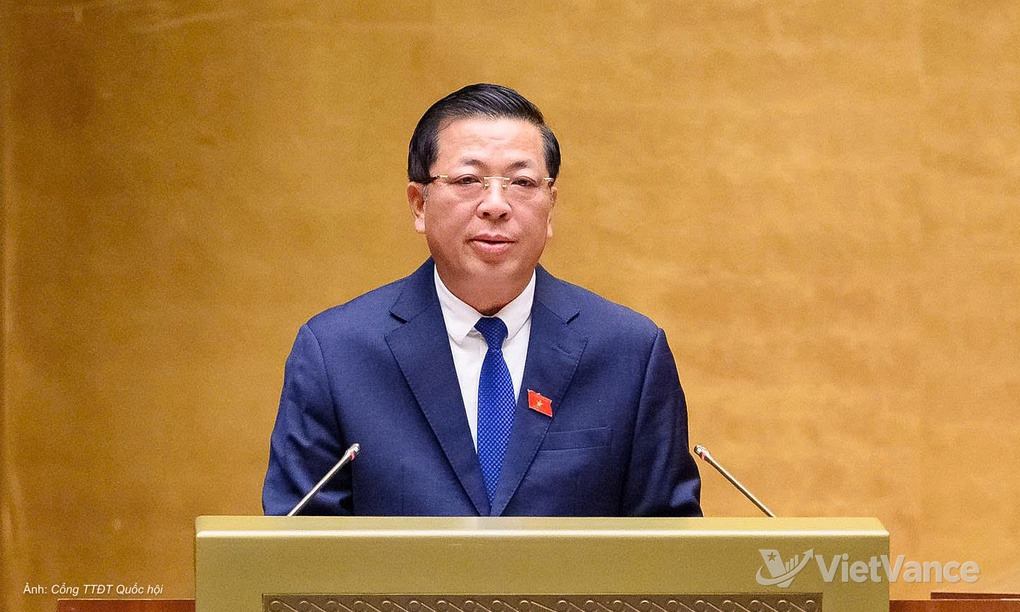
Vietnamese Construction Minister Trần Hồng Minh presents the government’s explanation and revisions to the draft amendment to the Real Estate Business Law.(VietVance)
Payments for homes under construction must be made in installments. The first payment may not exceed 30% of the contract value, including a deposit capped at 5%. Subsequent payments must match construction progress, and the total paid before handover may not exceed 70%. Developers may collect no more than 95% before buyers receive their ownership certificates. An earlier proposal to place the remaining 5% in a bank escrow account was dropped; the balance remains payable after the buyer receives the certificate.
For transfers of unfinished projects, the new law retains the requirement that the original developer first pay all land-related amounts due. The Vietnamese government says this will help secure budget revenue, curb speculation and prevent repeated project transfers from driving up property costs and prices.
Source: VietVance