Vietnam Clarifies Origin Standards for Goods Sold Domestically
Vietnam’s Decree No. 384/2026/NĐ-CP takes effect on January 1, 2027, establishing quantitative origin standards for goods sold domestically. Goods made with imported materials must meet a four-digit tariff classification change requirement or have at least 30% Vietnamese value content. Businesses will declare origin themselves and retain supporting records for subsequent checks.

Vietnam’s Decree No. 384/2026/NĐ-CP will take effect on January 1, 2027, establishing origin standards for goods produced and sold domestically. Goods made with imported materials that are not wholly obtained in Vietnam must undergo a change in tariff classification at the four-digit level or have Vietnamese value content of at least 30%, calculated on the ex-factory price. Simple operations such as cleaning, sorting, labeling and packaging alone cannot confer Vietnamese origin on goods.
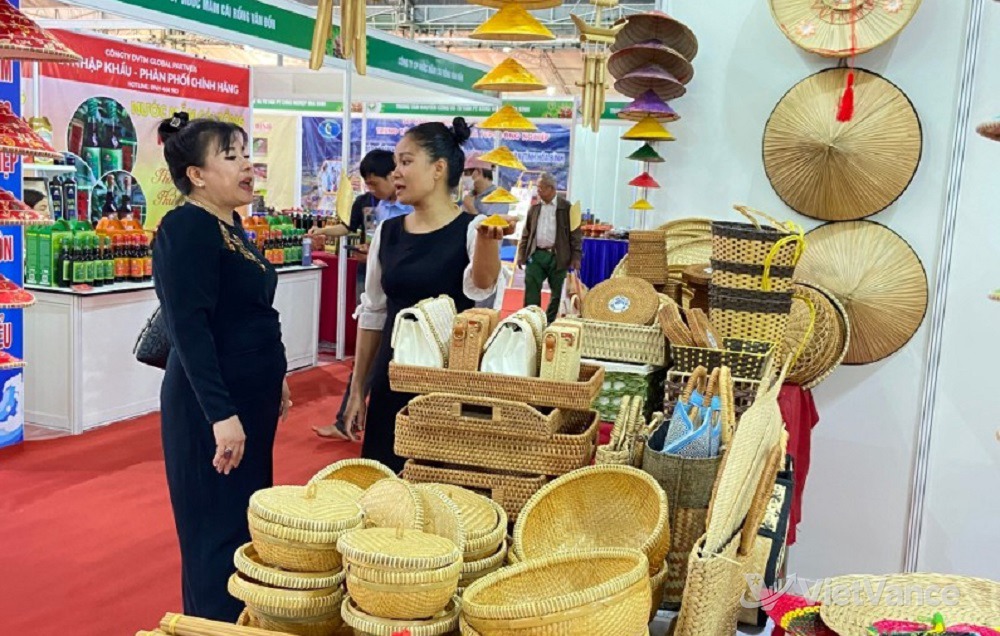
Vietnam’s new rules establish quantitative origin standards for goods sold domestically.(VietVance)
Previously, Vietnam’s rules on the origin of goods focused mainly on imports, exports and tariff preferences. Domestic labeling rules addressed the form of labels but lacked quantitative technical standards for determining what qualifies as “Made in Vietnam.” Nguyễn Anh Sơn, director general of the Ministry of Industry and Trade’s Agency of Foreign Trade, said this gap had allowed some finished imports or goods subjected only to simple processing or assembly in Vietnam to be labeled as Vietnamese in origin, complicating enforcement and affecting legitimate manufacturers.

Nguyễn Anh Sơn, director general of the Ministry of Industry and Trade’s Agency of Foreign Trade.(VietVance)
Under the new rules, businesses declare origin themselves and are responsible for their declarations; they need no permit to label goods. They must retain invoices, documents for input materials and production records as proof of origin for five years, for inspections and subsequent checks. Costs incurred in Vietnam for research and development, circuit board design, software development and product testing may be included in Vietnamese value content.
Article 12 of the decree provides a 12-month transition for packaging. Packaging and labels printed before January 1, 2027, may continue to be used until the end of the product’s life cycle or the expiry date marked on the packaging. Nguyễn Anh Sơn advised businesses to check raw material codes, production costs and packaging stocks, and ensure their retained records match their accounting books.
The Ministry of Industry and Trade is developing a dedicated information page on the origin of domestic goods and accompanying guidance, and plans to conduct training with organizations including the Vietnam Chamber of Commerce and Industry. Nguyễn Anh Sơn said regulators would use customs clearance data for imported materials to identify goods at higher risk of origin fraud and carry out targeted subsequent checks.
Source: VietVance