Vietnam Passes Electricity Law Amendments, Plans Time-of-Use Rates for Households
Vietnam’s National Assembly passed amendments to the Electricity Law on November 21, 2026. The Ministry of Industry and Trade will develop a roadmap for household electricity rates that vary by peak, off-peak and normal hours when technical conditions permit. The amendments also address direct power purchase costs, retail tariff structures and the gradual elimination of cross-subsidies. The law takes effect on June 1, 2027.

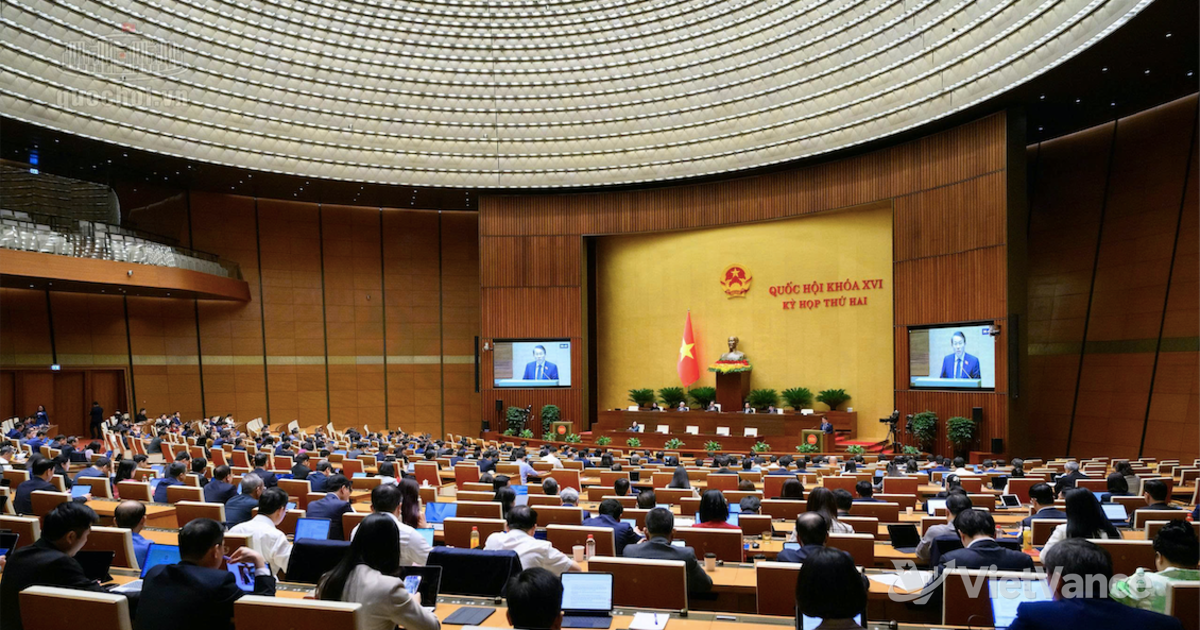
Vietnam’s National Assembly voted on the morning of November 21, 2026, to pass amendments to the Electricity Law. The amendments include time-of-use household rates in future policy plans: the Ministry of Industry and Trade is responsible for developing a roadmap to apply different retail electricity rates for households during peak, off-peak and normal hours when technical conditions permit. The law is scheduled to take effect on June 1, 2027.
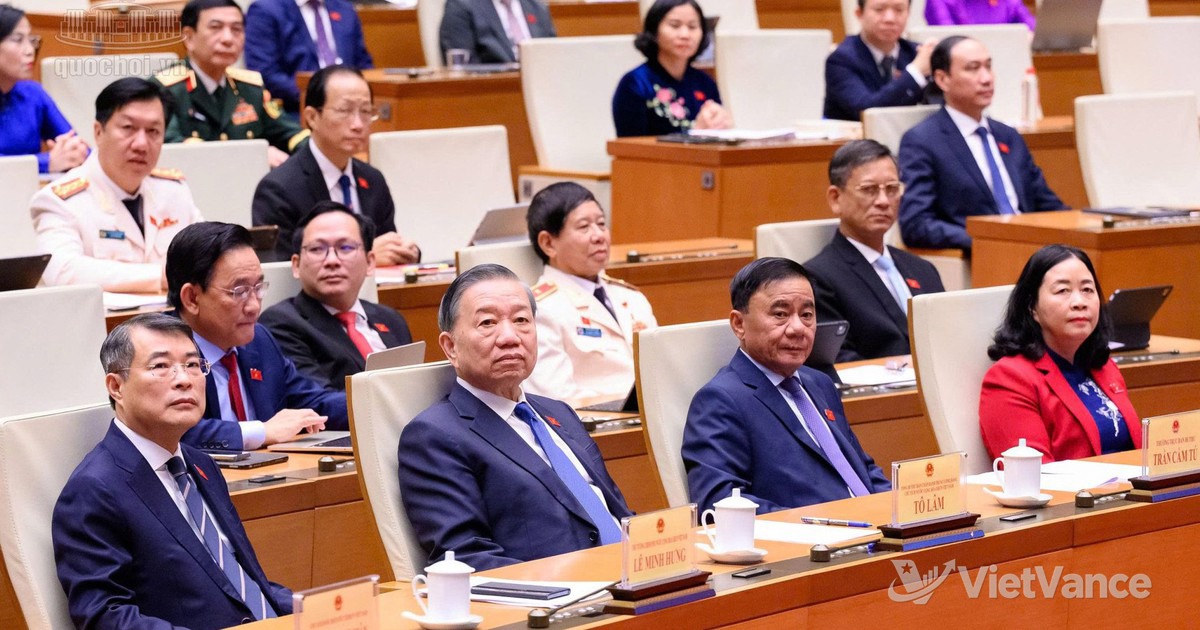
Before the vote, Minister of Industry and Trade Lê Mạnh Hùng said in response to National Assembly deputies’ comments that the drafting body had reviewed the bill to ensure its provisions were consistent and feasible to implement, while preventing narrow interests and improper mechanisms from being written into law.
For the direct power purchase mechanism, the amendments add principles governing the costs participants must pay. These include electricity costs, power system service costs, costs for settling differences, and other costs appropriate to the form of direct power purchase. Cost calculations must be accurate, comprehensive, public and transparent. National Assembly deputies had previously called for avoiding duplicate charges, cross-subsidies and the transfer of unreasonable costs to customers who do not participate in direct power purchases.
On electricity pricing, the government will set the mechanism and timing for adjustments to the average retail electricity price, as well as a financial mechanism aligned with the gradual elimination of electricity price cross-subsidies. The Ministry of Industry and Trade will also develop roadmaps to eliminate cross-subsidies and improve the retail tariff structure. A tariff with multiple components must include at least two, which may involve capacity charges, electricity charges, fixed charges, variable charges or other components, and will apply to the relevant customer groups when technical conditions permit.
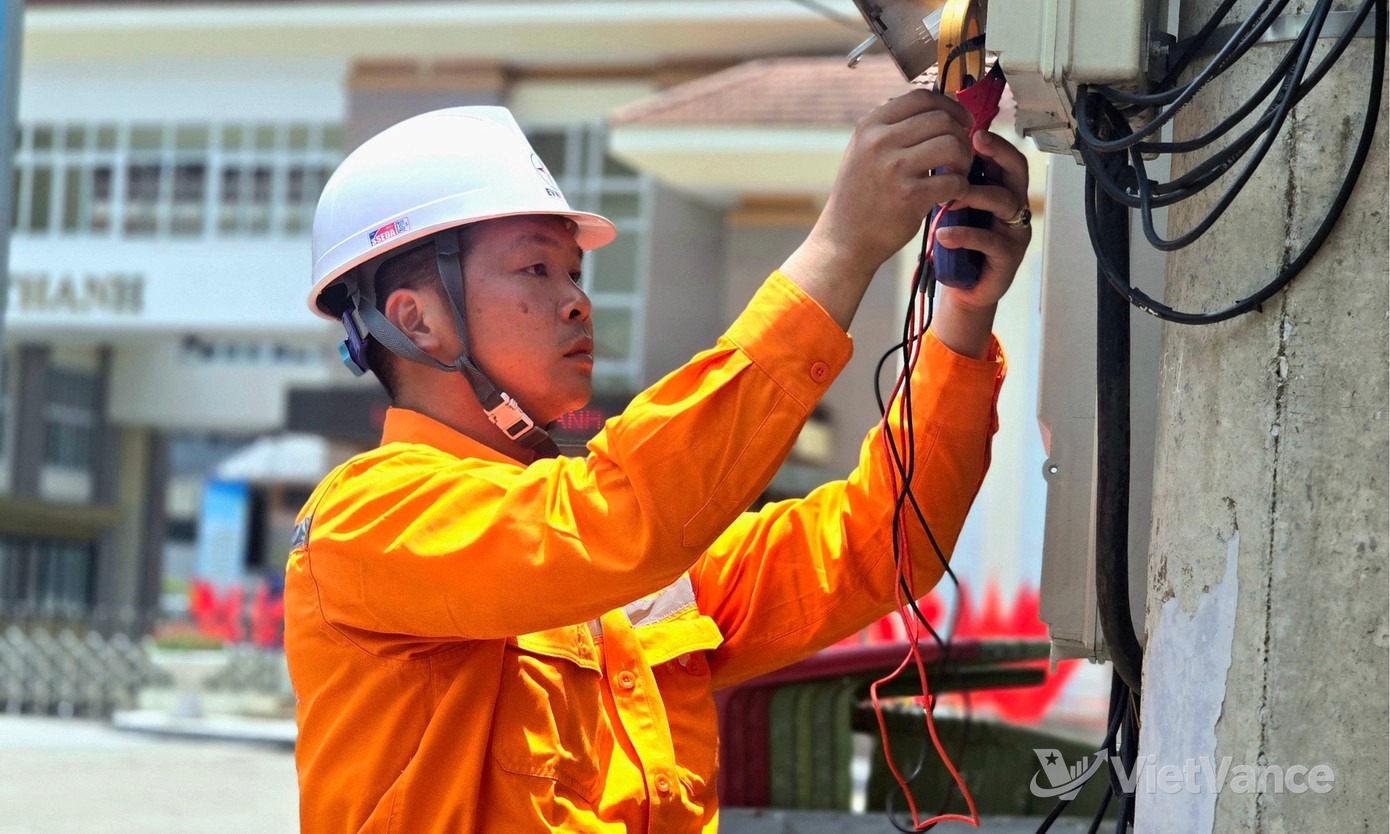
Illustration of the roadmap for time-of-use household electricity rates.(VietVance)
The Ministry of Industry and Trade is also responsible for drafting electricity sale prices for rural, mountainous, border and island areas that are not yet connected to the national grid and submitting them to the prime minister for approval. The prices must reflect the stage of development of the competitive electricity market.
Source: VietVance