Vietnam to Study Time-of-Use Household Electricity Rates; Private Firms May Invest in Small Nuclear Plants
Vietnam’s National Assembly passed amendments to the Electricity Law on November 21, directing the Ministry of Industry and Trade to study time-of-use household electricity rates when technical conditions permit. The amendments also allow private investment in small modular reactor power plants and take effect on June 1, 2027.

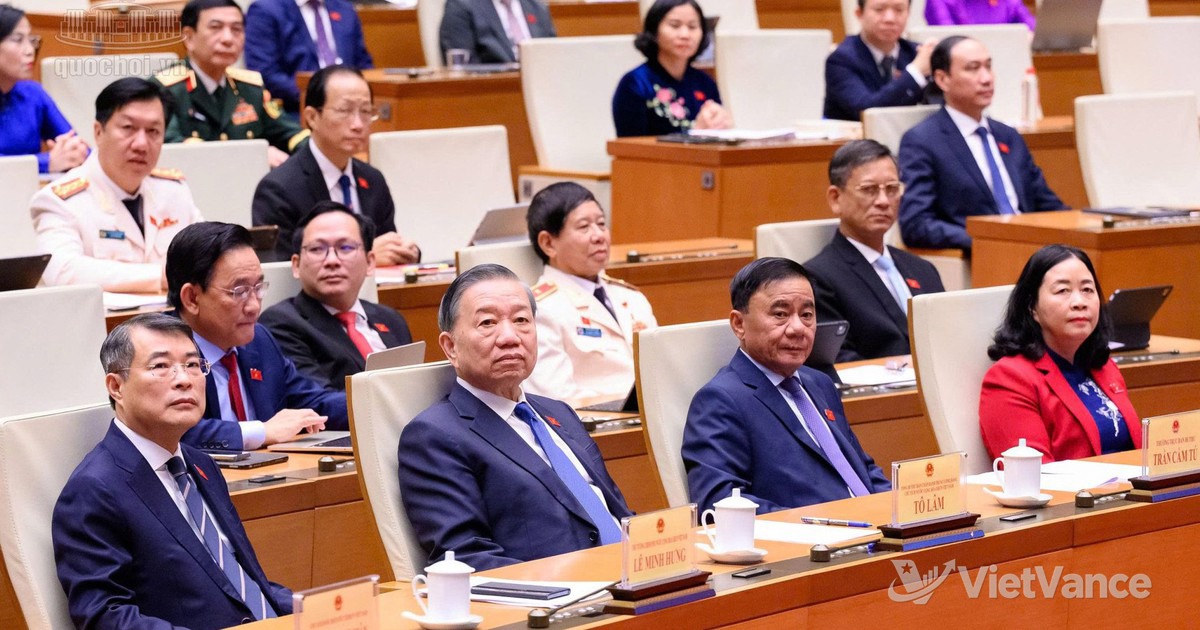
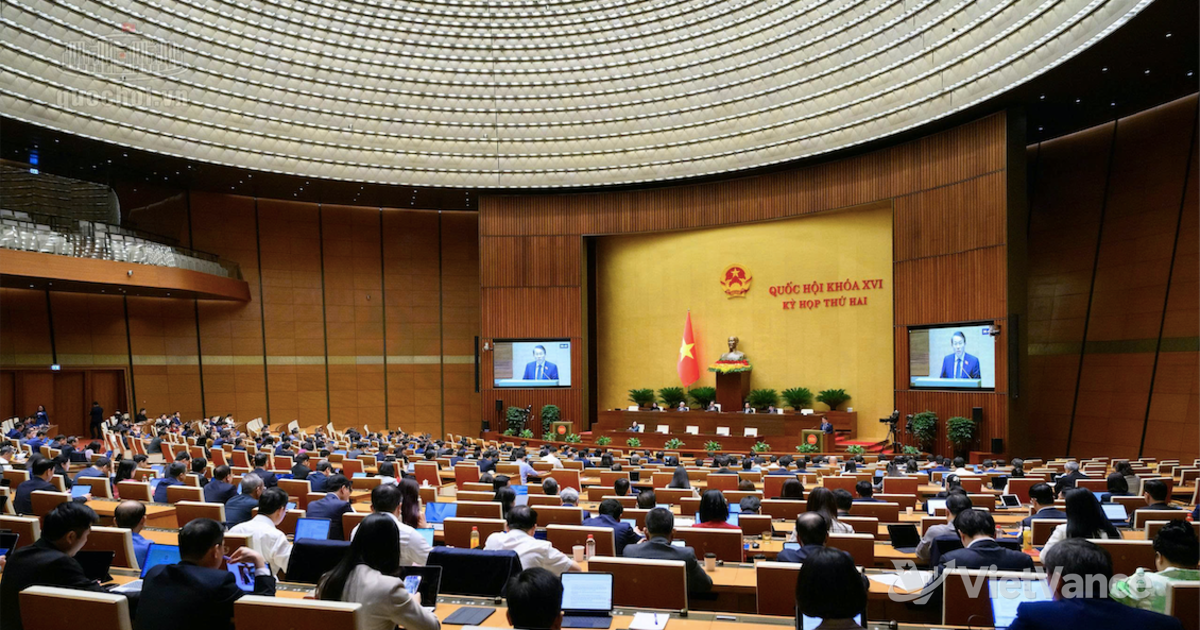
Vietnam’s National Assembly passed amendments to several provisions of the Electricity Law on the morning of November 21, 2026, with more than 99% of participating lawmakers voting in favor. The amendments direct the Ministry of Industry and Trade to study a plan for introducing peak, off-peak and standard retail electricity rates for households when technical conditions permit. These rates have not yet been introduced for households.
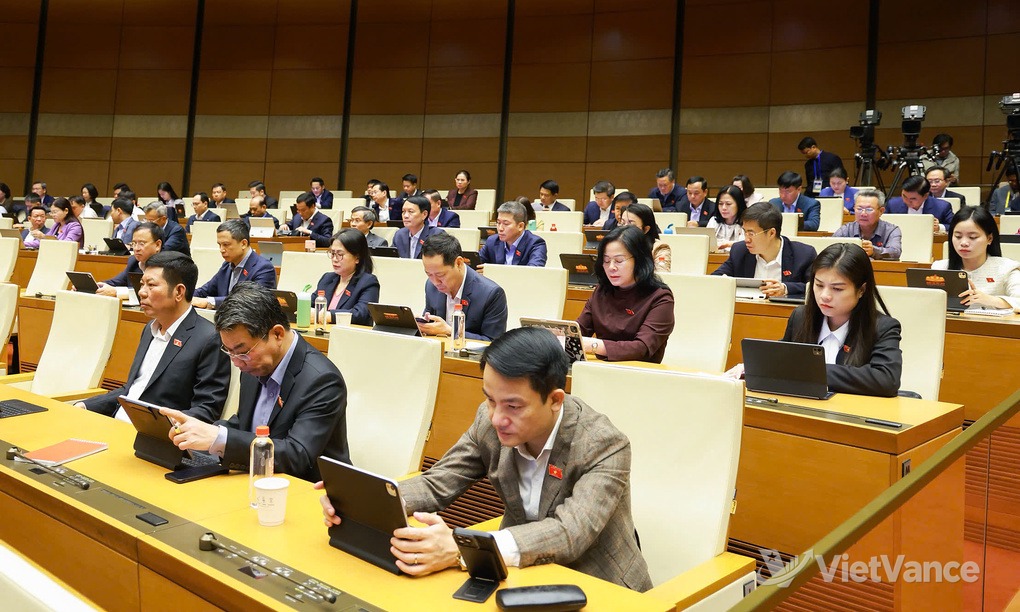
Lawmakers take part in a vote at the National Assembly’s morning session on November 21.(VietVance)
Time-of-use pricing currently applies mainly to electricity used in production and business. Household electricity is charged under a five-tier progressive tariff, ranging from 1,901 to 3,844 Vietnamese dong per kWh, excluding value-added tax. Since late April 2026, peak hours on weekdays have run from 5:30 p.m. to 10:30 p.m., while off-peak hours have run from midnight to 6 a.m. every day. In June 2026, the ministry said the technical conditions for time-of-use household pricing were not yet in place.
Household electricity consumption ranks second only to industrial customers in Vietnam’s national electricity consumption. The ministry believes that studying an expansion of time-of-use pricing could encourage households to shift when they use electricity and ease pressure on the power system during peak hours. The amendments also provide for gradually eliminating electricity price cross-subsidies and improving the retail tariff structure.
For nuclear power, the amendments reserve investment in, construction and operation of nuclear power plants for the state, except for plants using small modular reactors (SMRs). Private companies may therefore invest in such projects. Each SMR unit can have a capacity of up to 300 MW. Under the national energy development resolution for 2026–2030, the government will establish mechanisms for investment in and development of SMR nuclear power in stages, according to demand and the commercialization of the technology. The amendments take effect on June 1, 2027.
Source: VietVance