Vietnam Fuel Prices Fall Repeatedly, but Goods Prices Remain High
Despite several rounds of fuel price cuts in Vietnam, some food and essential goods remain expensive. Shop owners say they have no plans to lower prices, while experts point to delays in passing on cost savings and benefits retained within supply chains or added to business profits.

Fuel prices in Vietnam have fallen through several rounds of cuts, yet some goods remain expensive. A pho shop owner in Hanoi said bluntly that businesses would not voluntarily reduce their profits. Another pho shop owner in Ho Chi Minh City said prices had only risen, never fallen, during 30 years in business, while customer numbers remained steady. Their comments reflect some merchants’ willingness to maintain current prices, but do not establish how all merchants set their prices.
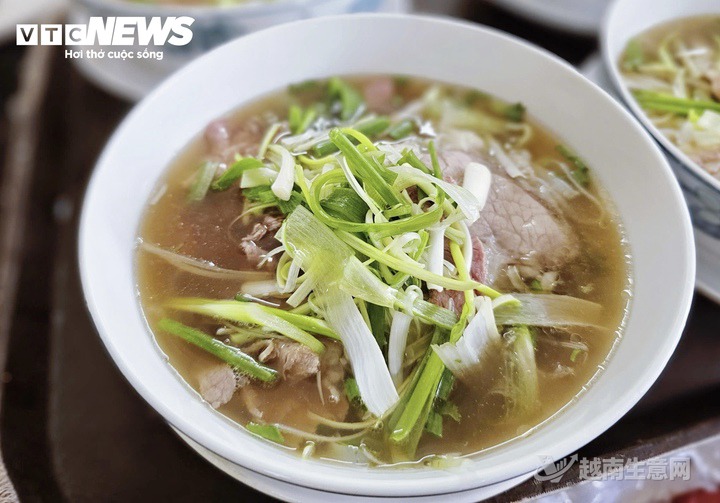
The price of a bowl of pho has risen from 30,000–35,000 Vietnamese dong to 45,000–60,000 Vietnamese dong and has not fallen despite repeated fuel price cuts.(VietVance)
Expert Nguyễn Thường Lạng said fuel is only one component of the cost of goods, but sustained price cuts still have some effect. Food and beverage industry expert Nguyễn Thái Bình said that at a reasonably well-run food business, ingredients typically account for 28%–35% of revenue, labor and premises each account for 15%–20%, and energy accounts for about 4%–7%. The percentage increase in fuel prices therefore cannot be applied directly to menu prices.
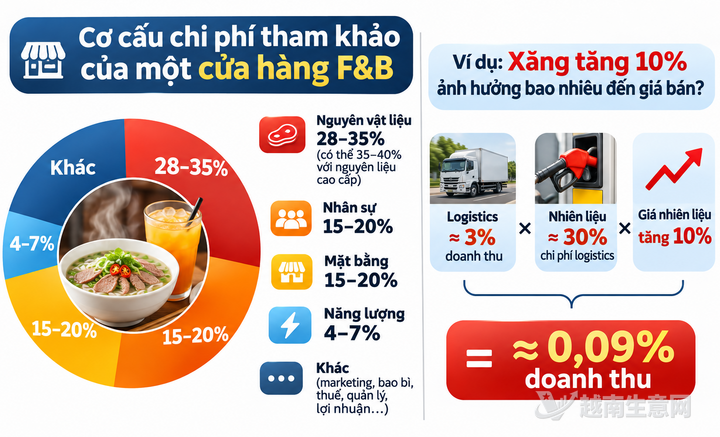
Food and beverage industry expert Nguyễn Thái Bình described the different shares of revenue that ingredients, labor, premises and energy account for at a food business.(VietVance)
Nguyễn Thái Bình said ingredient purchasing contracts, inventory, restocking cycles and supplier policies can delay the pass-through of price cuts. A fall in fuel prices therefore does not immediately lower restaurants’ purchase costs. He said this lag can explain price movements only for a limited period; if transport and other costs keep falling while selling prices remain unchanged for a long time, businesses should have specific grounds for maintaining their prices.
Expert Đinh Trọng Thịnh said savings on transport costs do not necessarily reach the final consumer. Farm products typically pass through collection, transport and distribution before reaching retailers, and the benefits of lower costs may be retained at one or more of those stages. A lack of transparency in how prices are set may also prevent both producers and consumers from benefiting.
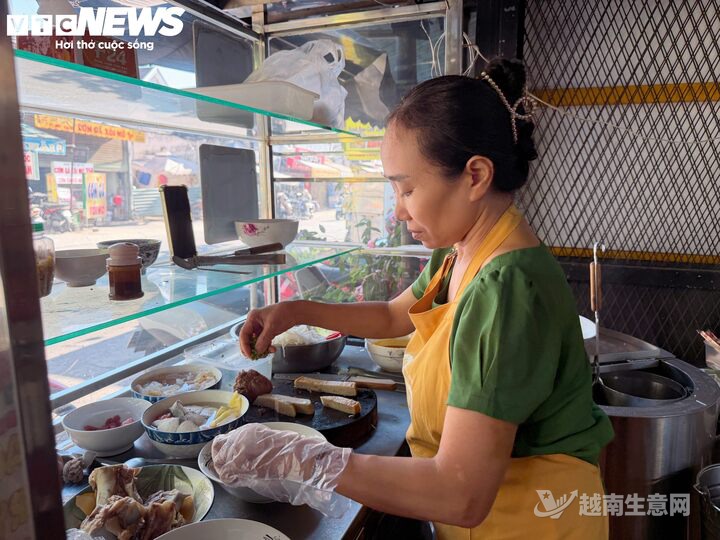
Some essential goods remain expensive, and consumers have yet to benefit from declines in some input costs.(VietVance)
Nguyễn Thái Bình gave the example of a restaurant with monthly revenue of 1 billion Vietnamese dong and earnings before interest, taxes, depreciation and amortization of 100 million Vietnamese dong. If its combined ingredient, transport and energy costs fell by an amount equal to 2% of revenue, while prices and revenue stayed the same, those earnings could rise to 120 million Vietnamese dong, assuming all other factors remained unchanged. This is an illustrative calculation showing how lower costs can become additional profit, not actual figures from a specific restaurant.
Source: VietVance