Vietnam passes Electricity Law amendments, effective June 2027
Vietnam’s National Assembly passed amendments to the Electricity Law on November 21, with 488 of 489 voting deputies in favor. The law takes effect on June 1, 2027. It addresses power project approvals, investor selection, direct power purchases, energy storage and offshore wind, aiming to accelerate investment and secure electricity supply.

Vietnam’s National Assembly passed a law amending and supplementing certain articles of the Electricity Law on the morning of November 21, 2026. Of the 489 deputies who voted, 488 supported it. The law will take effect on June 1, 2027. The amendments aim to remove obstacles to investment in power projects while safeguarding electricity supply and controlling costs.
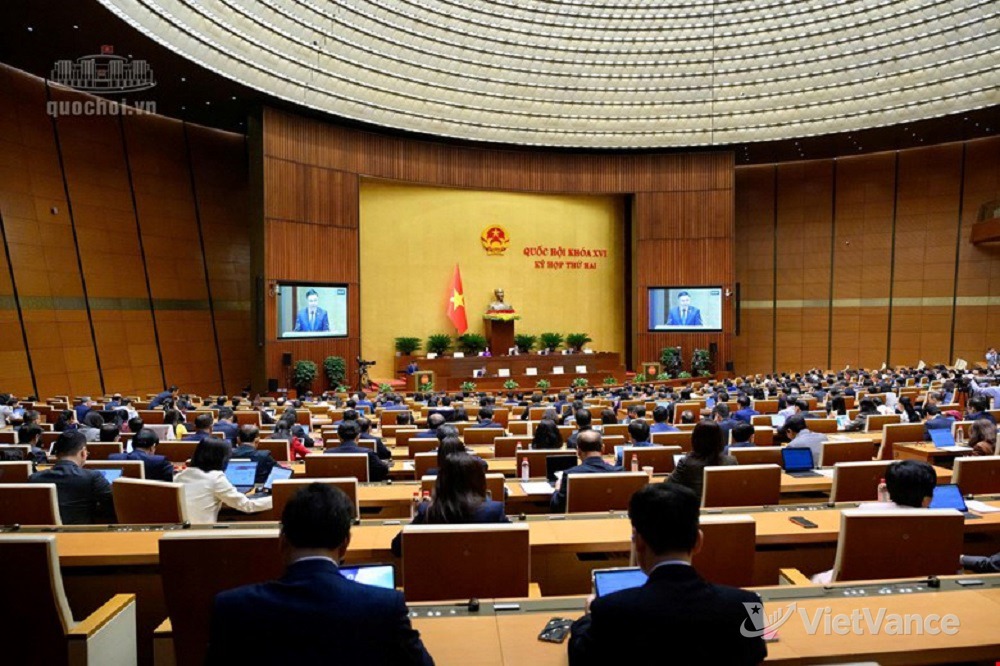
A National Assembly session reviewing the Electricity Law amendments.(VietVance)
Before the vote, Minister of Industry and Trade Lê Mạnh Hùng, acting on the prime minister’s behalf, explained the revisions to the bill. He said some projects implementing the power development plan could be exempted from the investment policy approval procedure to reduce duplicate reviews. The projects must still comply with rules on land, forestry, the environment, maritime areas, national defense and security. An investor approval document also cannot replace decisions by the relevant authorities.
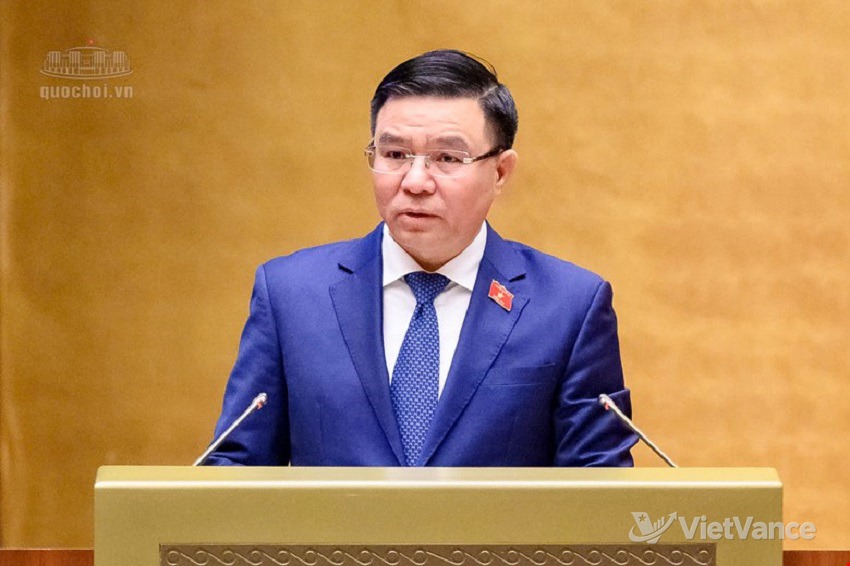
Minister of Industry and Trade Lê Mạnh Hùng explains the revisions to the Electricity Law amendments.(VietVance)
On investor selection, the amendments clarify when auctions or tenders are not required and establish public criteria and subsequent oversight. Investors must be accountable for their commitments on mastering technology, localization and engineering, procurement and construction capabilities. For projects awarded through tenders, bid documents must specify electricity price components and calculation formulas consistently to reduce the risk of post-award renegotiations driving up prices.
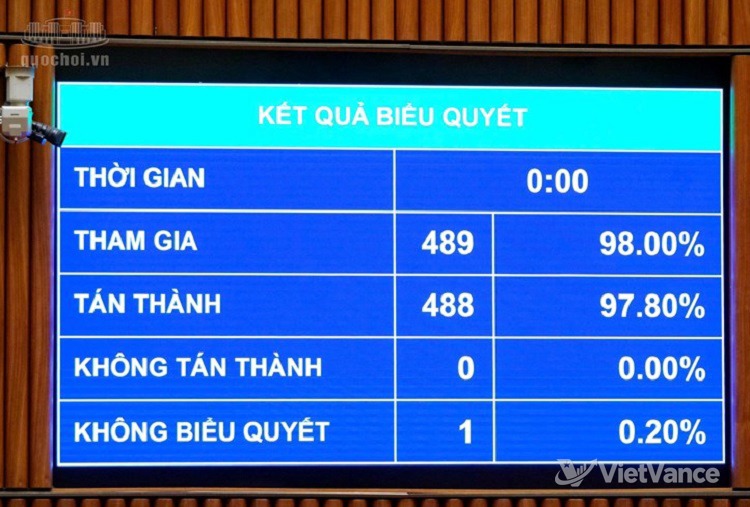
Vietnam’s National Assembly votes to pass the Electricity Law amendments.(VietVance)
For direct power purchases and energy storage, the amendments require costs to be allocated transparently and fairly according to use of the system, avoiding duplicate charges, cross-subsidies or the transfer of unreasonable costs to customers who do not participate in direct power purchases. Rules on investment, grid connection, operation, pricing and participation in the electricity market have also been further clarified for standalone energy storage and storage paired with power generation.
The offshore wind provisions clarify the procedure for selecting survey operators and the responsibilities for managing electricity and maritime areas. Survey approval cannot replace procedures for allocating or leasing maritime areas. The amendments also address coordination of power generation and grid construction schedules, project cost and risk sharing, and pricing for waste-to-energy, biomass power and small hydropower. The government will prepare implementing regulations and address related transitional arrangements.
Source: VietVance