Vietnam Passes Amendments to Land, Real Estate Business and Housing Laws
Vietnam’s National Assembly passed amendments to the Land Law, Real Estate Business Law and Housing Law on November 21. All three take effect on July 1, 2027. The changes cover land pricing, payments in property transactions, electronic property identification codes, housing ownership by foreign individuals and entities, and the resale of social housing.

At its second session on November 21, 2026, Vietnam’s 16th National Assembly passed amendments to the Land Law, Real Estate Business Law and Housing Law. All three laws are scheduled to take effect on July 1, 2027. The amendments cover land management, real estate transactions and housing policy.
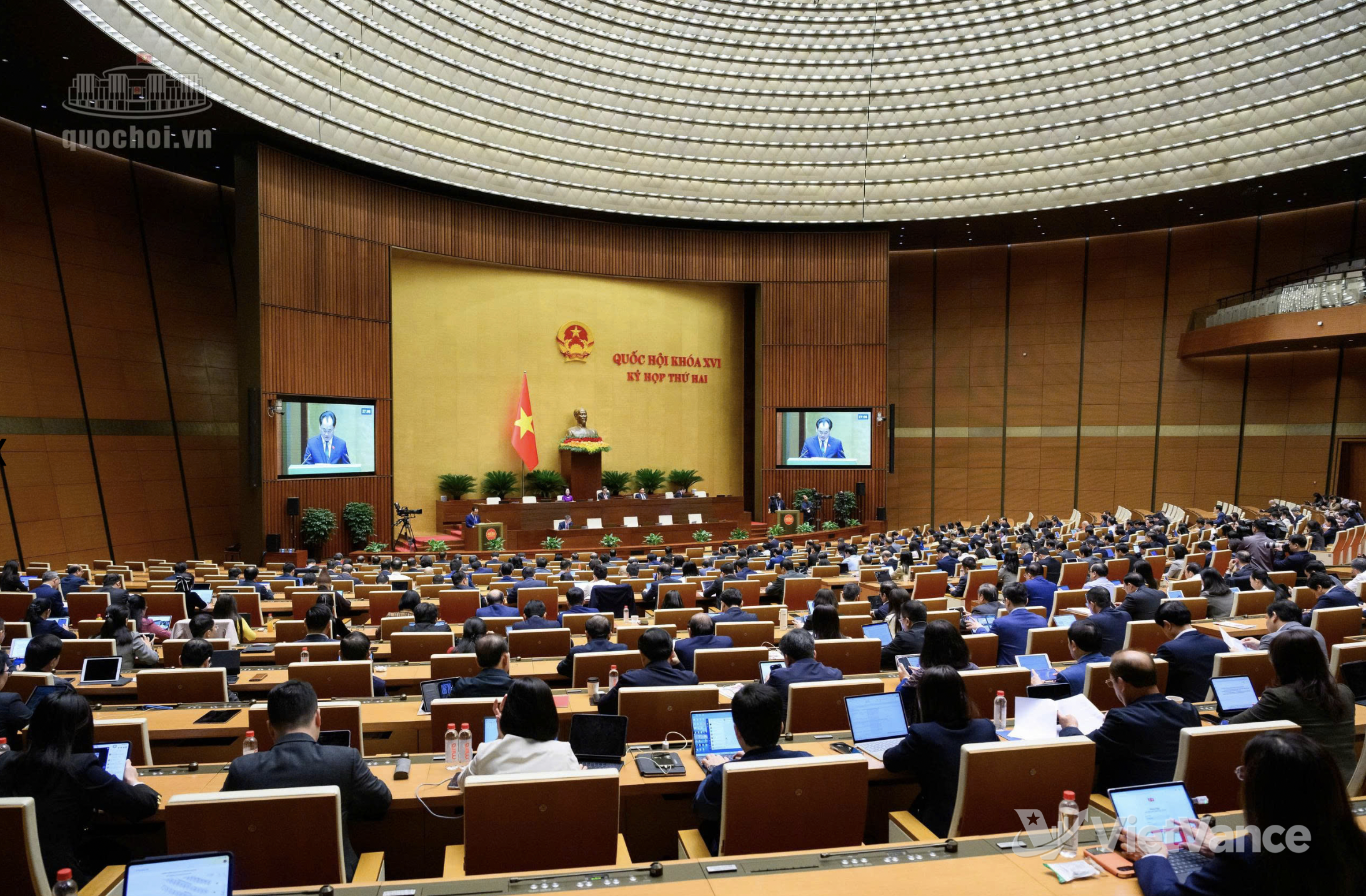
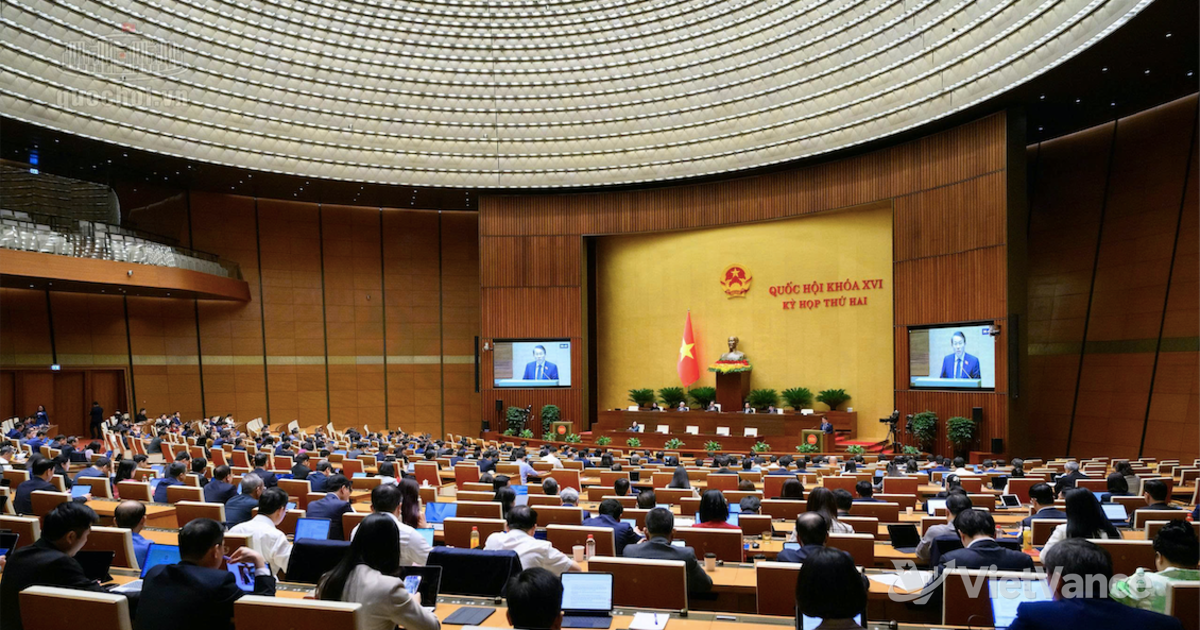
A session of Vietnam’s National Assembly.(VietVance)
Minister of Agriculture and Environment Trịnh Việt Hùng said the revised Land Law ends the separate preparation of provincial land use plans, incorporating land use proposals into provincial plans instead. It also specifies how to calculate additional land use fees and land rent for investment projects that fail to put land into use on schedule. The new land price tables and price adjustment coefficients will apply from January 1, 2028; current rules will continue to apply to relevant cases through the end of 2027.
Minister of Construction Trần Hồng Minh said the revised Real Estate Business Law will assign electronic identification codes to housing, construction works and other properties, and require their use in transactions once issued. For properties eligible to be marketed, developers may collect a deposit of no more than 5% of the sale or lease-purchase price. The first payment for a property under construction, including the deposit, may not exceed 30% of the contract price; total payments before handover may not exceed 70%, or 50% when the seller is a qualifying foreign-invested economic organization.
The revised Housing Law provides that foreign individuals permitted to enter Vietnam, as well as branches and representative offices of foreign companies, foreign investment funds and branches of foreign banks operating in Vietnam, may own only apartments. Provincial People’s Committees will decide whether commercial housing projects must reserve land for rental and social housing. Five years after receiving an ownership certificate, a social housing owner may resell the home only to an eligible buyer, at a price agreed by the parties.
Source: VietVance